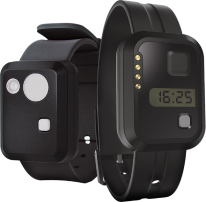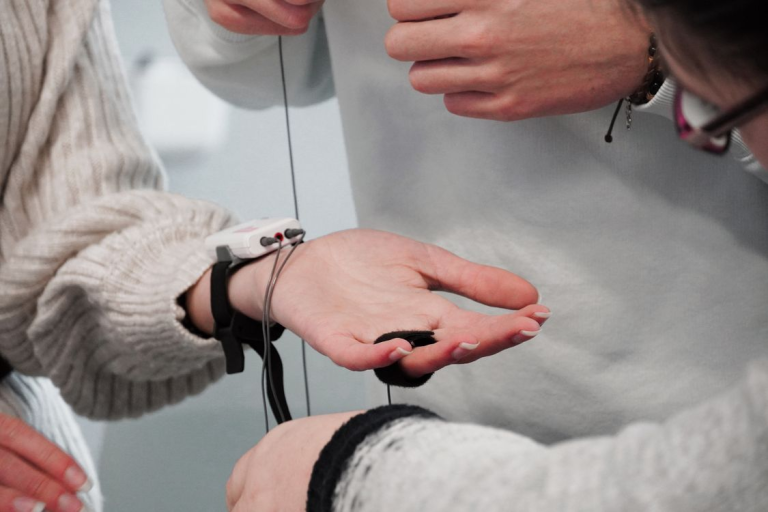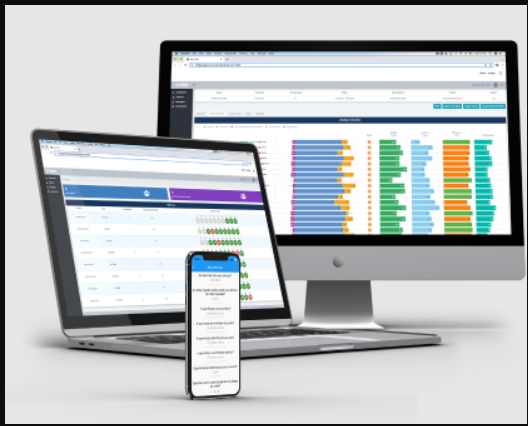



Multi-cohort studies in sleep and circadian rhythm research are increasingly common, leveraging large participant pools to investigate patterns across populations, age groups, and clinical conditions. Actigraphy provides an objective, continuous measure of sleep-wake cycles and activity levels, making it ideal for these studies. However, the scale and complexity of high-volume actigraphy deployment introduce logistical challenges that must be addressed to ensure data quality, participant compliance, and operational efficiency.
Understanding the Challenges of Multi-Cohort Studies

High-volume actigraphy studies often involve hundreds or thousands of participants across multiple sites. This introduces unique challenges:
- Device Management: Tracking, distributing, and maintaining large numbers of Actígrafo dispositivos.
- Data Synchronization: Ensuring that devices are properly time-stamped, synchronized, and linked to participant records.
- Participant Training: Providing clear instructions for device wear, sleep diaries, and questionnaires, often remotely.
- Quality Control: Detecting non-wear periods, device malfunctions, and other sources of data error.
Sem careful planning, these issues can compromise data integrity, reduce compliance, and increase operational costs.
Inventory Management and Device Preparation
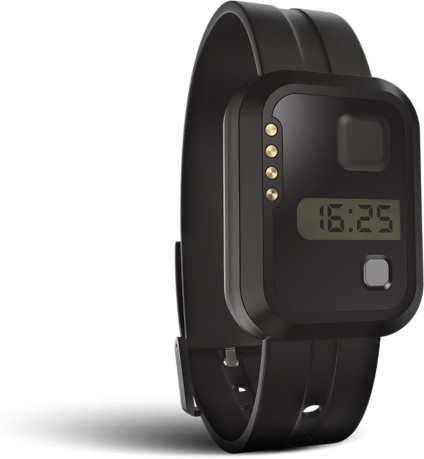
Effective logistical planning starts with managing the actigraph inventory. Key steps include:
- Device Tracking: Implement a centralized system for logging device IDs, deployment dates, and participant assignments. This prevents loss and ensures accountability.
- Device Calibration and Testing: Pre-test each actigraph for functionality, battery life, and sensor accuracy. Devices should be fully charged and configured with the correct sampling frequency before distribution.
- Labeling and Packaging: Clearly label each device with participant identifiers and include detailed instructions, sleep diaries, and support contacts. Pre-packaged kits reduce setup errors and streamline deployment.
Proper inventory management is essential for minimizing downtime and ensuring consistent data collection across multiple cohorts.
Participant Onboarding and Remote Training
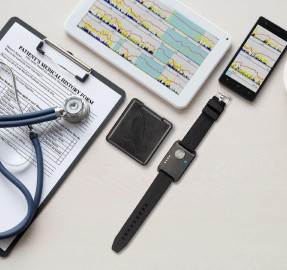
Participant compliance is critical in high-volume studies. Remote training and onboarding strategies help ensure proper device use:
- Instructional Materials: Provide clear step-by-step guides, videos, and FAQs on wearing the actigraph, charging, and syncing data.
- Sleep Diary Integration: Train participants to record bedtimes, wake times, and contextual factors accurately. These entries complement actigraphy data and help validate results.
- Interactive Support: Offer real-time support via chat, email, or video calls to answer participant questions, troubleshoot device issues, and encourage adherence.
Remote onboarding reduces logistical burdens and ensures participants in different locations are prepared to follow study protocols consistently.
Scheduling and Deployment Across Cohorts
High-volume studies often require rolling deployment of multiple cohorts. Effective scheduling strategies include:
- Staggered Device Distribution: Deploy devices in waves to prevent bottlenecks in training and technical support.
- Tracking Wear Time: Assign start and end dates for each participant’s monitoring period and maintain a master schedule to prevent overlaps.
- Return Logistics: Plan for secure, timely device returns, including prepaid shipping labels or drop-off sites, and confirm device condition upon receipt.
A structured schedule reduces operational complexity and ensures that each cohort generates high-quality, usable data.
Data Management and Synchronization
Managing large volumes of dados de actigrafia requires robust data infrastructure. Key considerations include:
- Automated Data Uploads: Use cloud-based platforms to collect, store, and process device data in real time.
- Time-Stamp Accuracy: Ensure all devices are synchronized to the same clock reference to maintain temporal consistency across cohorts.
- Linking with Sleep Diaries and Questionnaires: Integrate actigraphy data with participant-reported measures to enable multi-modal analysis and improve reliability.
A well-designed data pipeline minimizes errors, facilitates analysis, and ensures regulatory compliance.
Quality Control and Non-Wear Detection
Even with careful planning, non-wear periods and device malfunctions can occur. Proactive strategies include:
- Non-wear detection algorithms: Use automated analytics to flag potential non-wear intervals for review.
- Acompanhamento em tempo real: Track data streams to identify missing or anomalous records quickly.
- Participant Follow-Up: Contact participants promptly if data gaps or errors are detected to correct issues or extend monitoring periods if necessary.
Effective quality control protects dataset integrity and ensures that high-volume studies produce reliable, actionable insights.
Ethical and Privacy Considerations
Large-scale actigraphy studies collect sensitive behavioral data. Ethical practices are critical:
- Informed Consent: Clearly communicate how wearable, sleep diary, and questionnaire data will be collected, stored, and used.
- Data Security: Encrypt data during transmission and storage. De-identify participant records where possible.
- Compliance: Follow HIPAA, GDPR, or other regional regulations governing personal health information.
Participants are more likely to comply when they trust that their privacy and confidentiality are protected.
Future Directions in High-Volume Deployment
As technology advances, logistical management for multi-cohort studies will continue to evolve:
- Wearable Ecosystem Integration: Devices may sync automatically with participant smartphones or cloud platforms, simplifying data collection.
- Automated Reminders: Participants can receive push notifications to maintain adherence and record sleep diary entries.
- Adaptive Analytics: Real-time data quality monitoring can detect issues immediately and provide feedback to participants or study coordinators.
These innovations reduce operational burden while improving compliance, data quality, and study efficiency.
Conclusão
Preparing for multi-cohort, high-volume actigraphy studies requires meticulous logistical planning. From inventory management and participant training to scheduling, data management, and quality control, each element contributes to the success of the study. By combining robust operational strategies with technological solutions and ethical oversight, researchers can ensure accurate, reliable, and actionable data across multiple cohorts. Proper planning is essential for maximizing the scientific value of large-scale actigraphy research and advancing our understanding of sleep and circadian biology.
Streamline Multi-Cohort Actigraphy Studies with Condor Instruments
Implante Actigraph devices efficiently across multiple cohorts, integrate sleep diaries, leverage light sensors, and ensure high-quality wearable data for your large-scale research projects.