


Shift work is a reality for millions of people worldwide, from healthcare providers to factory employees and first responders. While essential, irregular schedules disrupt natural Ritmos circadianos and make it difficult to maintain consistent sleep. Over time, this can lead to fatigue, decreased productivity, and health complications such as cardiovascular disease, obesity, and depression.
Traditional methods of monitoring sleep often fail to capture the daily challenges of shift workers. This is where Actigrafia offers a practical solution, helping individuals and employers understand and address the impact of irregular hours.
Actigraphy Watches as a Monitoring Tool

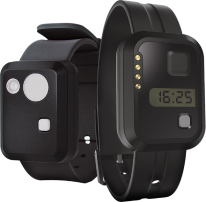
Actigraphy watches are wrist-worn devices that measure activity and rest over extended periods. They provide objective data about sleep quality, duration, and patterns in real-life environments rather than controlled lab settings. For shift workers, this means accurate monitoring during rotating schedules, night shifts, or irregular work patterns.
These watches allow both workers and healthcare professionals to track the long-term effects of disrupted sleep. Unlike self-reported diaries, actigraphy provides reliable insights that can highlight problems early and guide solutions to improve overall well-being.
Improving Sleep Quality and Recovery
One of the greatest challenges for shift workers is achieving restorative sleep during daylight hours or between back-to-back shifts. Actigrafia helps identify fragmented or insufficient rest and provides a clear picture of how sleep schedules affect recovery.
With this data, individuals can adopt targeted strategies such as creating a dark sleep environment, establishing consistent routines, and minimizing stimulants before rest. Employers can also use aggregate data to adjust schedules that reduce fatigue-related risks.
Supporting Workplace Productivity and Safety
Fatigue from disrupted sleep doesn’t just affect health; it impacts workplace performance and safety. In industries where alertness is critical, such as healthcare or transportation, the consequences of fatigue can be serious.
Actigraphy enables employers to recognize patterns of sleep deprivation among their workforce and take steps to mitigate risks. By integrating actigraphy monitoring into wellness programs, organizations can foster safer working environments while promoting employee satisfaction.
Empowering Shift Workers with Data
Beyond workplace initiatives, Actigrafia empowers individuals to take control of their health. By reviewing sleep patterns, workers can make informed decisions about lifestyle adjustments, from exercise routines to bedtime practices.
This self-awareness helps reduce the negative effects of shift work and fosters resilience in a demanding 24/7 world. When combined with support from employers and healthcare providers, actigraphy watches become a valuable tool for sustaining long-term well-being.
Balance Shift Work with Condor Instruments Actigraphy Watches
Condor Instruments offers advanced actigraphy watches to monitor sleep and recovery for shift workers. Improve productivity, safety, and health outcomes. Contact Condor Instruments today to explore effective actigraphy solutions.