


Sleep researchers, physicians, and clinical teams rely on objective data when they evaluate sleep patterns, circadian rhythm disruption, and treatment outcomes. Many research programs now use Actigrafia because it supports long-term monitoring in natural settings without disrupting patient routines. Yet every clinical and research team still asks the same question: how accurately can an algorithm identify sleep and wake states when compared with polysomnography?
Actigraphy algorithm validation shapes the answer. Validation workflows help researchers measure reliability, identify weaknesses, and improve interpretation across diverse patient populations. Strong validation also helps laboratories choose suitable actigraphy devices for clinical trials, longitudinal studies, and routine sleep assessment.
Researchers often compare an Actígrafo system with polysomnography because PSG captures neurophysiological signals that define sleep architecture. However, wrist actigraphy offers advantages that PSG cannot match in large-scale or free-living studies. Researchers can monitor participants for weeks, collect longitudinal behavioral data, and evaluate sleep in realistic environments rather than controlled laboratories.
This article explores modern validation pipelines, sensitivity and specificity analysis, common benchmarking strategies, and the challenges that researchers face when they evaluate actigraphy algorithms in heterogeneous populations.
Why Validation Matters in Clinical Sleep Research
Clinical sleep programs require reproducible outcomes. Researchers need confidence before they integrate algorithmic outputs into diagnostic pathways, treatment studies, or large observational projects. Without rigorous validation, sleep metrics can drift away from physiological reality.
Actigraphy algorithms estimate sleep and wake states by analyzing movement patterns from an accelerometer. Many systems also integrate a Light Sensor to improve circadian analysis and contextual interpretation. Researchers frequently pair these systems with a Sleep Diary because subjective reports help clarify bedtime routines, naps, medication timing, and unusual behavioral events.
Validation studies compare algorithmic outputs against PSG-derived sleep staging. Researchers evaluate sleep onset latency, total sleep time, wake after sleep onset, sleep efficiency, and fragmentation metrics. They also compare epoch-by-epoch agreement between actigraphy and PSG.
A robust actigraphy comparison does more than generate accuracy percentages. It reveals how algorithms behave under difficult conditions such as insomnia, movement disorders, neurodegenerative disease, pediatric sleep disruption, and fragmented sleep.
Understanding the Gold Standard: Polysomnography
Polysomnography records electroencephalography, electrooculography, electromyography, respiratory signals, cardiac activity, and oxygen saturation. Sleep laboratories use PSG because it directly measures physiological activity associated with sleep stages.
Researchers often describe PSG as the reference standard for sleep analysis because it identifies wakefulness, non-REM sleep, respiratory events, arousals, and movement patterns with high precision.
However, PSG creates logistical challenges. Sleep laboratories require specialized staff, controlled facilities, extensive sensor placement, and overnight observation. These constraints limit scalability and reduce ecological validity.

Many participants also modify their natural behavior inside laboratory environments. Some participants struggle with sensor discomfort, unfamiliar surroundings, or altered bedtime routines. These factors can distort sleep patterns during the recording period.
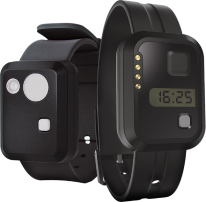
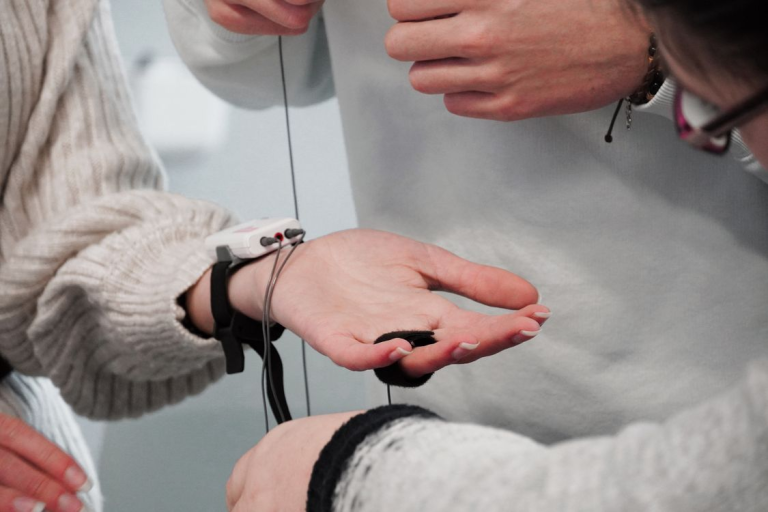
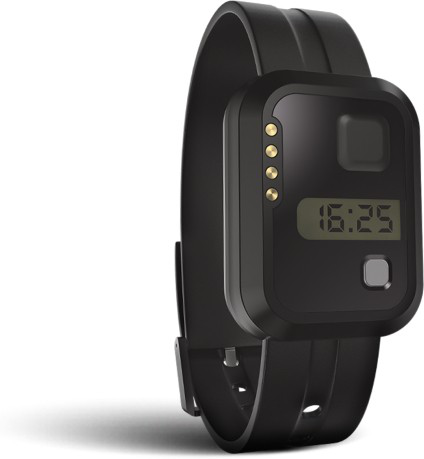
Wrist actigraphy addresses these limitations through continuous ambulatory monitoring. An actigraph watch allows researchers to evaluate long-term behavioral rhythms with minimal participant burden. This advantage explains why many clinical studies now combine PSG and actigraphy rather than treating them as competing methods.
Researchers should remember one important limitation during any actigraphy comparison. Actigraphy cannot monitor REM sleep directly because movement-based algorithms cannot identify electrophysiological sleep stages.
Building an Effective Validation Pipeline
Strong actigraphy algorithm validation begins with careful study design. Researchers need consistent protocols, synchronized datasets, and representative populations.
Participant Selection
Validation studies should include participants who reflect the intended clinical population. Algorithms often perform well in healthy adults yet struggle in patients with fragmented sleep or abnormal nocturnal movement.
Researchers should include:
- Healthy sleepers
- Patients with insomnia
- Older adults
- Pediatric populations
- Neurological patients
- • Shift workers
- Patients with circadian rhythm disorders
- Individuals with sleep-disordered breathing
Broad participant selection strengthens external validity and improves algorithm robustness.
Signal Synchronization
Researchers must synchronize PSG and Actigraphy recordings precisely. Even small timing errors can distort epoch-level agreement and inflate classification errors.
Most studies use 30-second or 60-second epochs. Teams align accelerometer timestamps with PSG scoring windows before they compare outputs.
Data Cleaning
Researchers should remove corrupted epochs, device non-wear periods, and incomplete PSG recordings before analysis. Many teams also evaluate adherence through a Sleep Diary because participants sometimes remove an actigraph watch during bathing, charging, or athletic activity.
Algorithm Training and Testing
Modern algorithms use threshold-based rules, machine learning frameworks, or hybrid classification systems. Researchers typically divide datasets into training and testing groups to prevent overfitting.
Cross-validation strategies help researchers evaluate generalizability across populations and recording environments.
Sensitivity and Specificity Analysis
Sensitivity and specificity provide the foundation for actigraphy algorithm validation. Sensitivity measures how effectively an algorithm identifies true sleep epochs. Specificity measures how effectively the algorithm identifies true wake epochs.
Many actigraphy devices achieve high sleep sensitivity because most people remain relatively still during sleep. However, wake specificity often declines because quiet wakefulness can resemble sleep in accelerometer data.
Patients with insomnia highlight this challenge clearly. Many individuals with insomnia remain motionless while awake in bed. Algorithms may classify these periods as sleep even though PSG identifies wakefulness.
Researchers therefore evaluate more than one metric during validation studies.
Common Performance Metrics
Researchers commonly assess:
- Sleep sensitivity
- Wake specificity
- Overall accuracy
- Cohen’s kappa
- Bland-Altman agreement
- Receiver operating characteristic curves
- Mean absolute error
- Total sleep time deviation
- Wake after sleep onset deviation
Each metric reveals different aspects of algorithmic performance.
For example, overall accuracy may appear strong even when wake detection performs poorly because sleep occupies most nocturnal epochs. Cohen’s kappa provides deeper insight because it adjusts for chance agreement.
Bland-Altman analysis also helps researchers visualize systematic bias between PSG and Actigraphy outputs.
Challenges in Free-Living Conditions
Free-living environments create major challenges for validation studies. Laboratory conditions control noise, lighting, schedules, and participant behavior. Real life introduces variability that can disrupt algorithm performance.
Researchers often observe lower agreement rates during ambulatory monitoring because participants engage in diverse behaviors that movement sensors cannot interpret easily.
Quiet Wakefulness
Quiet wakefulness remains one of the largest obstacles in wrist actigraphy analysis. Reading, meditation, television viewing, and prolonged bed rest can mimic sleep-related immobility.
Algorithms may therefore overestimate total sleep time and underestimate wake after sleep onset.
High Nocturnal Movement
Some patient groups generate excessive nocturnal movement that complicates classification. Researchers often encounter this issue in:
- Parkinson’s disease
- (RLS)
- Pediatric populations
- Dementia
- Chronic pain disorders
In these populations, algorithms may incorrectly classify movement-heavy sleep as wakefulness.
Environmental variability
Temperature, lighting, occupational schedules, travel, and social behaviors influence sleep timing and circadian rhythm patterns.
A Light Sensor can improve contextual interpretation because researchers can correlate environmental exposure with sleep timing and activity rhythms. Still, environmental variability continues to challenge algorithm consistency across large multicenter studies.
Machine Learning and Advanced Algorithm Development
Machine learning now drives many advances in actigraphy algorithm validation. Traditional algorithms rely on predefined movement thresholds. Modern systems increasingly use supervised learning models that analyze complex movement signatures across large datasets.
Researchers train these models with synchronized PSG and accelerometer data. Some systems also integrate heart rate, skin temperature, or environmental information.
Advanced frameworks can improve classification performance in difficult populations. However, researchers still face several challenges.
Dataset Diversity
Machine learning models require diverse datasets. Algorithms trained on healthy adults may fail when researchers apply them to older adults, children, or patients with neurological disease.
Researchers therefore need multicenter datasets with broad demographic representation.
Transparency and Interpretability
Clinical teams need transparency before they trust algorithmic outputs. Black-box systems can create uncertainty during peer review, regulatory evaluation, and clinical interpretation.
Researchers increasingly prioritize explainable models that clarify how algorithms classify sleep and wake states.
Overfitting Risks
Overfitting can inflate validation performance artificially. Algorithms may memorize specific datasets rather than learn generalized behavioral patterns. External validation across independent cohorts helps reduce this risk.

The Role of Standardization
The sleep research community continues to push for stronger standardization across validation protocols.
Different studies often use different epoch lengths, scoring criteria, participant populations, and statistical methods. These inconsistencies complicate direct actigraphy comparison across publications.
Researchers benefit from standardized:
- PSG scoring rules
- Epoch definitions
- Wear protocols
- Reporting metrics
- Sleep Diary integration methods
- Non-wear detection strategies
- Statistical reporting standards
Standardization strengthens reproducibility and supports broader clinical adoption.
Clinical and Research Applications
Validated actigraphy devices now support a wide range of clinical and research applications.
Researchers use Actigraphy for:
- Longitudinal sleep studies
- Circadian rhythm analysis
- Behavioral sleep medicine
- Pharmaceutical trials
- Neurological research
- Pediatric sleep assessment
- Occupational fatigue monitoring
- Shift work studies
- Geriatric sleep research
Many investigators also use an actiwatch activity monitor during large cohort studies because wearable systems reduce operational complexity and improve long-term adherence.
Clinical teams often combine PSG, sleep diary data, and wrist actigraphy to build a multidimensional picture of sleep behavior.
Frequently Asked Question
What makes polysomnography the gold standard in sleep assessment?
Polysomnography measures brain activity, eye movement, muscle activity, respiratory signals, and cardiac function directly. These measurements allow clinicians to identify sleep stages and respiratory events with high precision. Actigraphy supports long-term behavioral monitoring, but it cannot measure REM sleep or full sleep architecture directly.
How does wrist actigraphy perform in free-living conditions?
Wrist actigraphy performs well in long-term ambulatory monitoring because it captures sleep and activity patterns in natural environments. However, researchers must account for challenges such as quiet wakefulness, irregular schedules, and excessive nocturnal movement during actigraphy comparison studies.
Researchers combine a sleep diary with actigraphy to get a more complete and accurate picture of a person’s sleep patterns and quality. Each method has its strengths and limitations, and using them together helps to overcome those limitations.Here’s why they are combined:* **Actigraphy provides objective, continuous data:** Actigraphy devices (worn on the wrist like a watch) use accelerometers to measure movement. This data is used to estimate sleep and wake periods, sleep duration, and sleep efficiency (the percentage of time in bed actually spent asleep). It’s objective because it doesn’t rely on self-reporting and can capture sleep patterns over extended periods (days or weeks).* **Sleep diaries provide subjective data and context:** A sleep diary, on the other hand, is a subjective self-report. Participants record information about: * **Bedtime and wake time:** While actigraphy estimates these, the diary provides the actual times the person intended to sleep and woke up. * **Sleep quality:** How rested they felt, any awakenings during the night, and the perceived difficulty of falling asleep. Actigraphy can’t directly measure how a person *feels* about their sleep. * **Naps:** The timing and duration of naps, which actigraphy might struggle to accurately distinguish from brief periods of wakefulness or very light sleep. * **Factors affecting sleep:** Other lifestyle factors like caffeine intake, alcohol consumption, exercise, stress levels, or medications that could influence sleep, which actigraphy cannot capture. * **Sleep disturbances:** Subjective experiences of nightmares, sleep talking, or other phenomena not directly detectable by movement.* **Validation and Calibration:** The sleep diary can help validate and calibrate the actigraphy data. For example, if actigraphy indicates a period of wakefulness, the diary can confirm if the person was actually awake, or if they were just lying very still in bed. Conversely, if a person reports sleeping poorly, actigraphy might show fragmented sleep or reduced sleep efficiency, corroborating the subjective experience.* **Capturing nuances:** Actigraphy is good at detecting gross sleep/wake cycles, but it’s less precise about the *transition* periods or the subjective experience. A sleep diary adds this crucial layer of detail about how the person perceives their sleep and what factors might be influencing it.* **Comprehensive understanding of sleep disorders:** For conditions like insomnia, sleep apnea, or restless legs syndrome, understanding both the objective measures (like duration and fragmentation) and the subjective experience (like daytime sleepiness, perceived sleep quality, and associated symptoms) is vital for diagnosis and treatment.In summary, actigraphy offers objective, quantitative data about sleep patterns, while sleep diaries provide subjective insights into sleep quality and influencing factors. Combining them creates a more robust and interpretable dataset for researchers studying sleep.
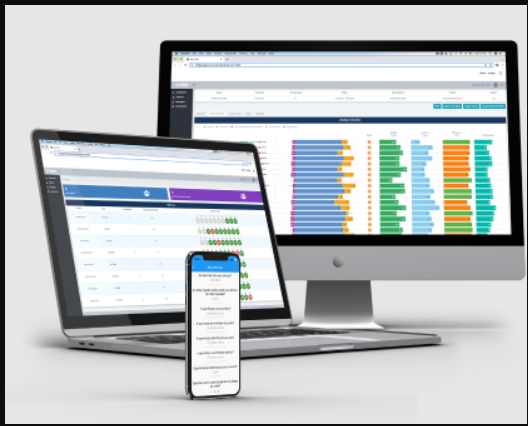
Researchers use a Diário do sono to add behavioral context to Actigraphy data. Sleep diaries help identify bedtime routines, naps, medication timing, device non-wear periods, and unusual events that may influence algorithm interpretation and sleep analysis accuracy.
Can modern actigraphy devices replace discontinued Philips actigraph systems?
Many clinical and research teams now evaluate newer Actigraph devices as alternatives after Philips discontinued its actigraph portfolio globally. Modern systems can support longitudinal sleep studies, circadian rhythm analysis, and large-scale research workflows while maintaining compatibility with current validation standards.
Advancing Sleep Research with Reliable Actigraphy Solutions
Em Condor Instruments, we help physicians, sleep specialists, and research teams strengthen long-term sleep monitoring through advanced Actigraphy solutions designed for clinical and scientific applications.
Nosso Actigraph devices support high-quality ambulatory monitoring, streamlined data collection, and reliable circadian rhythm assessment in real-world conditions. We also understand the growing need for dependable alternatives after Philips discontinued its actigraph portfolio worldwide.
We provide modern solutions that support research continuity, scalable monitoring workflows, and robust data interpretation across diverse patient populations. Our systems integrate features such as a Light Sensor, Sleep Diary compatibility, and comfortable wrist actigraphy design to support demanding clinical protocols.
Whether your team needs an actigraph watch for longitudinal studies, an actiwatch activity monitor replacement strategy, or advanced tools for actigraphy comparison research, we can help you build a stronger sleep research infrastructure with confidence.