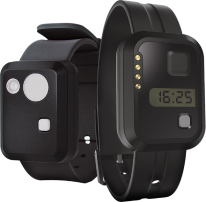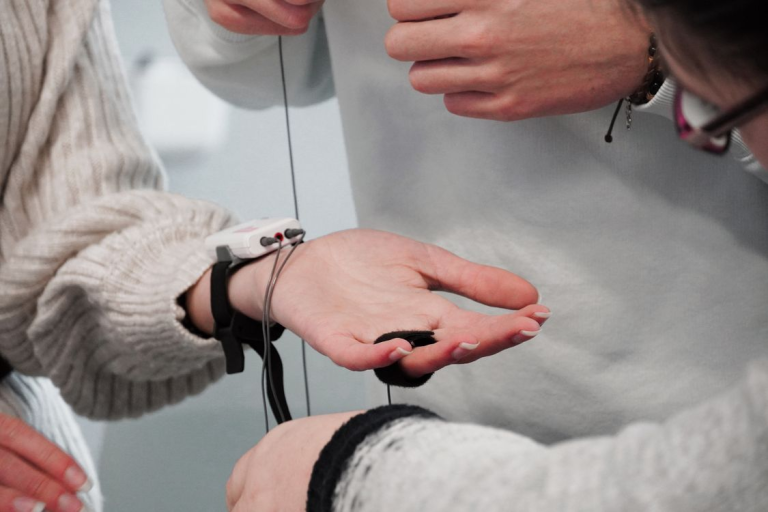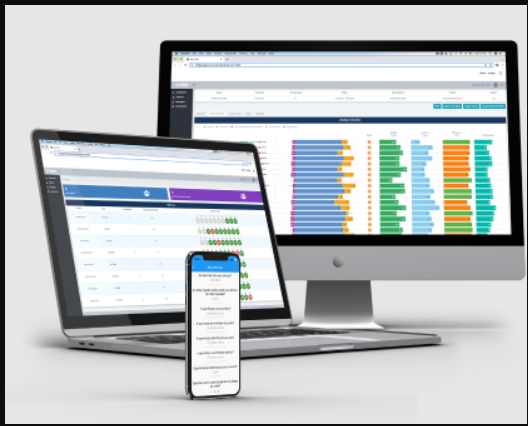



Actigraphy has revolutionized sleep research by providing continuous, non-invasive measurement of sleep-wake patterns across days and weeks. Traditionally, actigraphy data required manual scoring and labor-intensive quality checks, which limited the scalability of studies, especially when dealing with large cohorts or multi-site clinical research. Today, advances in automated scoring algorithms and integrated quality control protocols are enabling researchers to scale actigraphy studies while maintaining high data fidelity.
This blog explores how automated scoring, multi-sensor integration, and quality checks transform actigraphy into a robust tool for big data sleep research. We discuss key considerations for device selection, algorithm validation, integration of sleep diaries, light sensors, and strategies for ensuring high-quality, reproducible results across diverse populations.
The Challenge of Scaling Actigraphy

Traditional actigraphy studies often involve small cohorts and manual scoring by trained technicians. Manual scoring presents several challenges:
- Labor-intensive processes: Each night of recording must be reviewed for movement artifacts, missing data, and device non-compliance.
- Inter-rater variability: Different scorers may interpret movement patterns differently, introducing inconsistency.
- Limited scalability: Large-scale epidemiological or longitudinal studies are impractical without automation.
These limitations make it difficult to leverage actigraphy in “big data” contexts, where thousands of participants are monitored simultaneously. Automation addresses these challenges, allowing researchers to scale studies without sacrificing accuracy.
Automated Scoring Algorithms
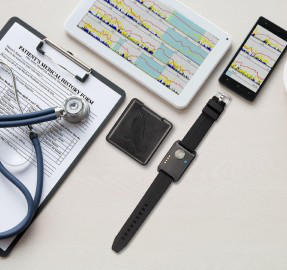
Automated Scoring Algorithms analyze raw actigraphy data to determine sleep and wake states using pre-defined rules or machine learning models. These algorithms enable rapid, standardized scoring across large datasets.
Key Features
- Activity-based scoring: Uses accelerometry data to classify sleep and wake periods based on movement thresholds.
- Multi-sensor scoring: Integrates additional inputs such as light sensor readings, heart rate, or skin temperature to enhance accuracy.
- Machine learning models: Trained on validated polysomnography (PSG) datasets to detect subtle sleep patterns and improve sensitivity.
Benefits
- Reduces human error and inter-rater variability.
- Supports real-time scoring and rapid turnaround for large cohorts.
- Enables integration of environmental and behavioral data for richer insights.
By automating scoring, researchers can analyze data from thousands of participants, making large-scale studies feasible and reproducible.
Quality Checks in Automated Actigraphy
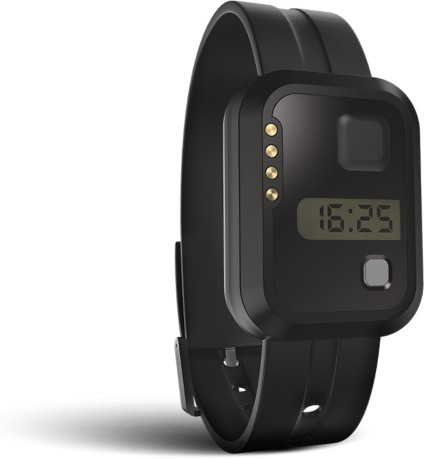
Automated scoring must be complemented with rigorous quality checks to ensure reliability and validity. Quality control processes help identify artifacts, missing data, or inconsistencies in sleep diary reports.
Common Quality Checks
- Device wear compliance: Ensures the actigraph was worn according to protocol.
- Data completeness: Identifies gaps due to battery depletion, device malfunction, or participant non-compliance.
- Outlier detection: Flags improbable sleep durations or unusual activity patterns.
- Algorithm validation: Compares automated scoring against manually scored or PSG-validated datasets to confirm accuracy.
Implementing automated quality checks reduces the need for manual review while maintaining high standards, particularly in multi-site or longitudinal studies.
Role of the Sleep Diary in Automated Workflows
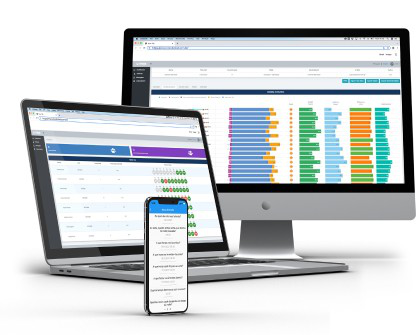
Even with automation, subjective input from participants remains critical. Sleep diaries complement actigraphy by providing context for unusual patterns and confirming sleep onset, awakenings, and bedtime behaviors.
Integration Strategies
- Digital diary platforms: Time-stamped, mobile-friendly diaries increase compliance and accuracy.
- Automated alignment: Diary entries are synchronized with actigraphy timestamps to validate automated scoring.
- Behavioral context: Diaries capture caffeine intake, stress levels, or napping, which influence actigraphy interpretation.
For example, an automated algorithm might misclassify periods of still wakefulness as sleep. Cross-referencing sleep diary entries can correct such misclassifications, enhancing overall data fidelity.
Leveraging Light Sensors for Enhanced Accuracy
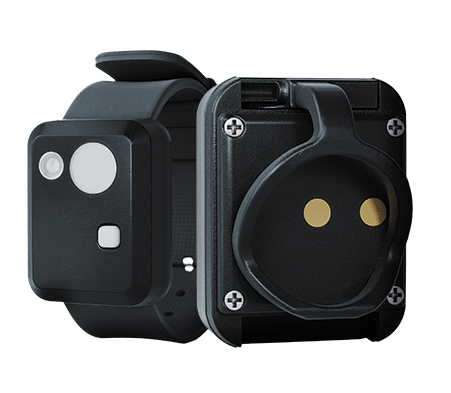
Integrated light sensors are increasingly incorporated into actigraphy devices to capture environmental light exposure, a critical determinant of circadian rhythm and sleep timing.
Applications in Big Data Studies
- Circadian alignment: Light exposure data can reveal delayed or advanced sleep phase patterns across populations.
- Environmental impact: Studies can quantify the effect of evening screen exposure or insufficient morning light.
- Population-level insights: Aggregated light data across thousands of participants can identify trends in behavioral or environmental sleep influences.
When combined with automated scoring, SENSOR DE LUZ data provides an additional layer of validation, helping distinguish true sleep from sedentary wakefulness.
Multi-Sensor Integration for Big Data

Large-scale actigraphy studies benefit from integrating multiple sensors to create a comprehensive view of sleep. Modern devices capture movement, light, temperature, and sometimes heart rate, enabling multi-dimensional analysis.
Advantages
- Improved classification: Combining movement with light sensor or physiological data reduces misclassification errors.
- Environmental context: Correlating sleep patterns with ambient light, temperature, or noise informs targeted interventions.
- Cross-population comparisons: Standardized multi-sensor protocols allow consistent scoring across children, adults, older adults, and clinical populations.
By capturing multiple data streams, researchers can scale studies without losing sensitivity to population-specific sleep characteristics.
Standardizing Protocols Across Sites
Scaling actigraphy studies often involves multiple research sites or cohorts. Standardization is critical to maintain consistency in data collection and interpretation.
Key Considerations
- Device calibration: Ensure all actigraphs have identical sensitivity and scoring settings.
- Unified wear protocols: Provide standardized instructions on placement, wear duration, and handling.
- Centralized data pipelines: Collect raw data from all sites into a unified database for automated scoring and quality checks.
- Training and documentation: Standard operating procedures for staff and participants minimize variability across sites.
Standardized protocols enable high-quality, reproducible results, even in large multi-center studies.
Handling Missing or Incomplete Data
Big data studies inevitably encounter missing or incomplete Actigrafia records. Automated workflows can flag and manage these instances efficiently.
Strategies
- Imputation algorithms: Estimate missing activity or sleep periods using surrounding data or population norms.
- Exclusion thresholds: Define minimum wear-time criteria for inclusion in analysis.
- Real-time monitoring: Automated alerts notify participants or staff when devices are not worn, reducing missing data rates.
These strategies ensure robust datasets while minimizing bias in large-scale studies.
Applications of Automated Actigraphy in Big Data
Automated scoring and quality checks enable new applications that were previously impractical due to resource constraints.
Examples
- Epidemiological studies: Monitor sleep across thousands of participants to identify population-level trends.
- Longitudinal studies: Track sleep changes over months or years without intensive manual scoring.
- Clinical trials: Assess treatment efficacy in large cohorts with consistent, validated data.
- Multi-site research: Enable coordinated studies across hospitals, universities, or research networks.
Automation allows researchers to scale studies while maintaining scientific rigor and reproducibility.
Future Directions
Emerging innovations are poised to further enhance automated actigraphy for big data sleep research:
- AI-driven anomaly detection: Identify unusual patterns or artifacts automatically for immediate review.
- Integration with wearable biosensors: Combine actigraphy with heart rate, skin conductance, or respiration monitoring for richer datasets.
- Cloud-based platforms: Centralized storage and real-time scoring streamline multi-site study management.
- Personalized feedback: Automated analysis could provide individualized sleep recommendations at scale, bridging research and clinical applications.
These advancements promise to make large-scale actigraphy studies more efficient, accurate, and actionable.
Conclusão
Automated scoring and quality checks transform Actigrafia into a scalable, high-fidelity tool for big data sleep research. By combining movement data, light sensor readings, and sleep diary entries, researchers can standardize protocols, ensure data quality, and conduct multi-site or population-scale studies with confidence.
As technology continues to advance, automated actigraphy will remain an indispensable method for understanding sleep across diverse populations and translating research into clinical insights.
Utilize Multi-Sensor Actigraphs from Condor Instruments for Scalable Sleep Research
Leverage automated scoring, integrated sensores de luz, paired with Diário do sono compatibility to scale actigraphy studies with high fidelity and reproducibility across populations. Reach out to us now to explore our range of actigraphs.
Frequently Asked Question
1. What is automated scoring in actigraphy studies?
Automated scoring uses algorithms to classify sleep and wake periods based on movement and multi-sensor data, reducing human error and speeding analysis.
2. How do quality checks improve data fidelity?
Automated quality checks detect missing data, wear-time issues, and artifacts, ensuring reliable and reproducible datasets across large cohorts.
3. Why integrate sleep diaries with automated scoring?
Sleep diaries provide context for unusual activity, confirm sleep timing, and help correct misclassifications in automated actigraphy data.
4. Can automated actigraphy be used for multi-site studies?
Yes, standardized devices, protocols, and centralized data pipelines allow scalable, cross-site studies with consistent, high-quality results.
5. How do automated quality checks handle non-wear time in actigraphy data?
Automated systems detect non-wear periods using inactivity thresholds and sensor patterns, allowing researchers to exclude or adjust these intervals to maintain data accuracy and consistency in large-scale sleep studies.