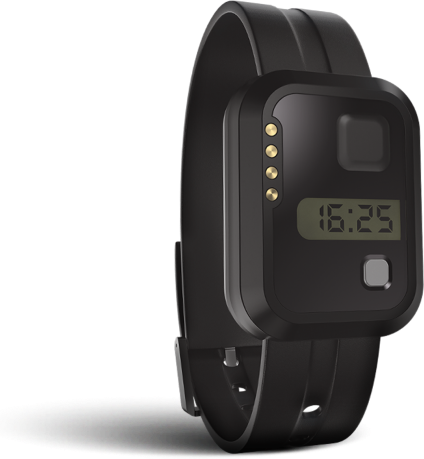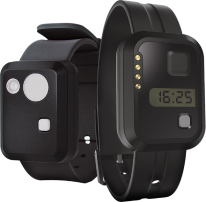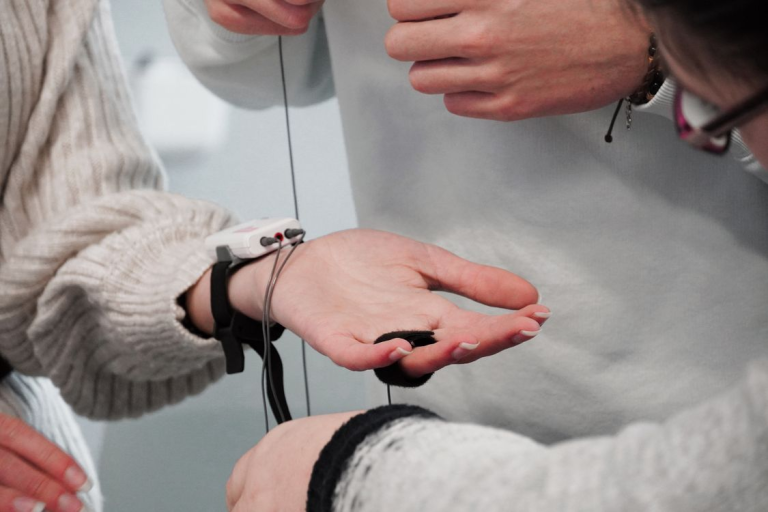


Moderno Actigraph devices have ushered in a new era of precision and convenience. These devices are equipped with advanced features that are indispensable to sleep specialists. In this blog post, we will explore five cutting-edge actigraph features and how they significantly benefit sleep specialists in their practice.
1. High-Resolution Actigraphy Sensors
Modern actigraphs are equipped with high-resolution sensors that meticulously capture even the subtlest movements during sleep. This feature allows for precise tracking of sleep-wake patterns, helping sleep specialists gain invaluable insights into a patient’s sleep quality and disturbances.
This is in contrast to earlier generation devices that could capture only significant movements, such as patients rolling over or sitting up. Therefore, high-resolution actigraphy sensors are a game-changer for any sleep specialist interested in capturing data on the subtler signs of sleep disorders.
2. Long-Term Data Storage
Sleep disorders often require extended monitoring to track changes over time. Modern actigraphy devices offer extensive data storage capabilities, allowing sleep specialists to collect and analyze sleep data over several weeks or months. This feature is invaluable when diagnosing conditions with long-term fluctuations.
This is a welcome change from earlier actigraphs that required removal and charging multiple times per week.
3. Advanced Sleep Analysis Software
Accurate interpretation of sleep data is paramount for sleep specialists. Modern actigraphs are accompanied by sophisticated sleep analysis software that simplifies the process. These tools generate comprehensive reports and visually intuitive graphs, making it easier for sleep specialists to identify sleep patterns and disturbances.
This software can also present data in a format that is easy for patients to understand, enabling them to learn about their sleep condition and monitor their progress.
4. Event Marker Functionality
Sometimes, specific events or circumstances can affect sleep patterns. Modern actigraphs often feature event marker functionality, allowing patients to manually record events like medication intake, environmental changes, or other relevant information in a sleep diary. Sleep specialists can then correlate these events with sleep data for a more comprehensive assessment.
5. Real-Time Data Transfer
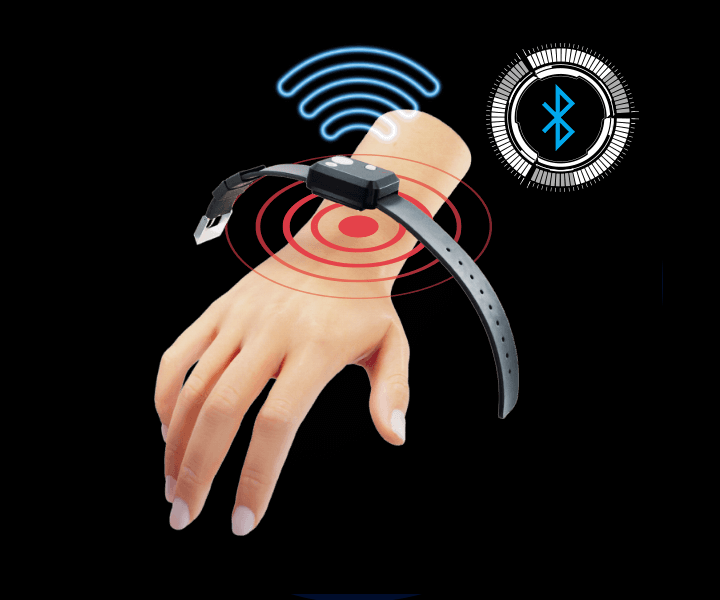
Efficiency is key in modern healthcare. Actigraphy devices now offer real-time data transfer capabilities. Sleep specialists can remotely access and monitor a patient’s sleep data, allowing for timely adjustments to treatment plans and interventions.
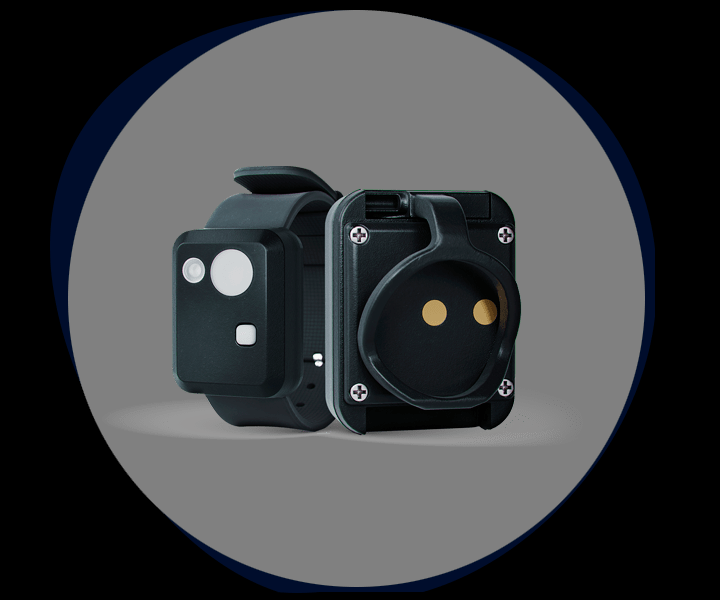
In conclusion, modern Actigraph devices are equipped with a host of cutting-edge features that empower sleep specialists in their practice. These actigraph features enable high-resolution data collection, extended monitoring capabilities, advanced sleep analysis tools, event marker functionality, and real-time data transfer, ensuring the utmost precision and efficiency in diagnosing and treating sleep disorders.
Elevate your sleep diagnostics practice our range of Actígrafos at Condor Instruments. See our full list of products on our site ou Contato us to learn more.