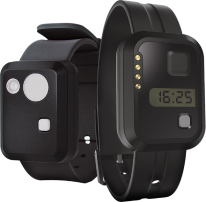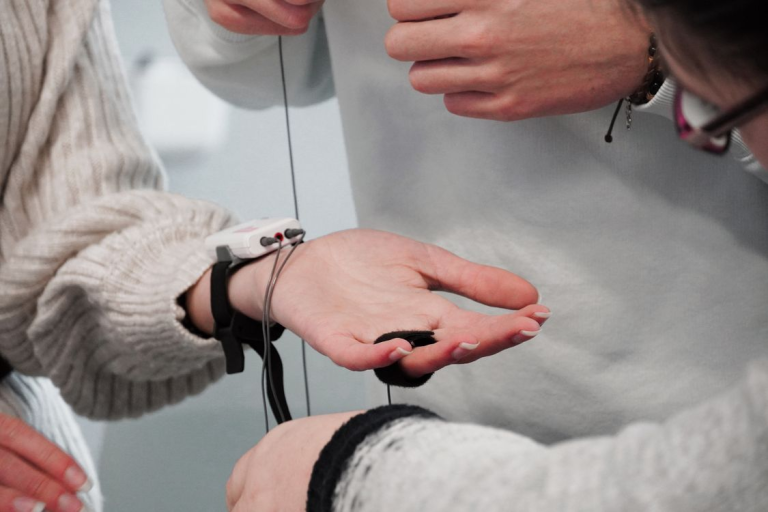



Actigrafia has become a cornerstone of modern sleep research due to its ability to capture continuous, real-world activity data over extended periods. However, like all wearable-based methodologies, it is vulnerable to data loss. Missing segments in actigraph recordings can arise from device removal, battery depletion, transmission failures, or participant non-compliance. When unaddressed, these gaps can distort sleep metrics and reduce the validity of downstream analyses. Understanding how to manage missing data is therefore essential for producing reliable and interpretable outcomes in clinical and research settings.
Sources and Patterns of Data Loss

Data loss in Actigrafia is rarely random. Instead, it often follows systematic patterns that reflect user behavior or technical limitations. For example, participants may remove devices during bathing or sports activities, creating predictable gaps. In other cases, hardware issues such as memory overflow or sensor malfunction can lead to abrupt discontinuities.
Environmental factors also play a role. Extreme temperatures or moisture exposure may temporarily impair device functionality. In long-term studies, attrition-related data loss becomes more pronounced, particularly in pediatric or elderly populations where adherence can fluctuate over time.
Recognizing the structure of missingness is critical, as it determines the appropriate imputation strategy. Data may be missing completely at random (MCAR), missing at random (MAR), or missing not at random (MNAR), each requiring different methodological approaches.
Consequences of Missing Data in Sleep Research

Incomplete actigraphy datasets can significantly bias parâmetro de sono estimation. Missing nighttime data may lead to underestimation of wake after sleep onset, while missing daytime segments can distort circadian rhythm analysis. Even short gaps can disrupt epoch-based calculations, especially in studies relying on high temporal resolution.
In clinical trials, data loss can reduce statistical power and compromise treatment effect estimation. If missing data correlates with participant behavior or symptom severity, the resulting bias can misrepresent true sleep patterns. Therefore, addressing missing data is not merely a technical concern but a methodological necessity.
Imputation Strategies for Actigraphy Data
Imputation refers to the process of estimating and replacing missing values using statistical or algorithmic techniques. In Actigrafia, the choice of imputation method depends on the extent and structure of missing data.
Simple approaches include mean or median substitution, though these methods are generally limited in sleep research due to their inability to preserve temporal dynamics. More advanced techniques rely on time-series interpolation methods such as linear interpolation or spline fitting, which estimate missing values based on adjacent data points.
Model-based approaches offer greater sophistication. Techniques such as Kalman filtering and expectation-maximization algorithms incorporate probabilistic modeling to infer missing activity counts. Machine learning methods, including recurrent neural networks, are increasingly used to reconstruct complex sleep-wake patterns from incomplete datasets.
Hybrid and Context-Aware Imputation Models
Recent advances in wearable data analytics emphasize multimodal imputation strategies. By integrating actigraphy with auxiliary data sources such as sleep diaries, light sensors, and heart rate variability, researchers can improve estimation accuracy. For example, periods marked as sleep in a Diário do sono can inform imputation of missing nocturnal activity data.
Context-aware models also consider behavioral patterns, such as typical sleep onset and wake times, to constrain imputed values within physiologically plausible ranges. This reduces the risk of generating unrealistic activity profiles.
Validation and Quality Control of Imputed Data
Imputation should always be accompanied by rigorous validation. Cross-validation techniques can assess how well imputed values replicate observed data patterns. Sensitivity analyses help determine the impact of different imputation methods on key sleep outcomes.
It is also important to quantify the proportion of imputed data within a dataset. High levels of imputation may indicate underlying compliance issues or device malfunction, potentially limiting interpretability. Transparent reporting of missing data rates and imputation methods is essential for reproducibility in sleep research.
Best Practices for Managing Data Loss
Preventing data loss begins with study design. Clear participant instructions, secure device placement protocols, and regular device checks can significantly reduce missing data incidence. In field studies, automated alerts for battery status or signal interruptions can further enhance data completeness.
From an analytical perspective, researchers should predefine imputation strategies and missing data thresholds before data collection begins. This reduces the risk of post hoc bias and ensures methodological consistency across study phases.
Ultimately, effective handling of missing data in actigraphy requires a balance between statistical rigor and practical feasibility. By combining robust imputation techniques with proactive data quality management, researchers can preserve the integrity of sleep measurements and strengthen the reliability of study conclusions.
Strengthen Sleep Research Integrity with Advanced Actigraphy Solutions from Condor Instruments
Ensure continuous, high-quality data collection with precision Actígrafo devices, integrated light sensors, and synchronized Diário do sono systems designed to minimize data loss and support robust imputation workflows. Partner with Condor Instruments to improve reliability and completeness in sleep studies.