


Accurate sleep and activity data starts with one critical decision: where should clinicians and researchers place the device? Actigrafia device placement directly shapes signal quality, wear adherence, and the reliability of downstream analysis. Even small placement inconsistencies can distort circadian rhythm assessments, sleep-wake estimates, and longitudinal study outcomes.
Sleep specialists and clinical researchers rely on objective data to evaluate patient behavior across extended monitoring periods. That dependence places greater importance on wear consistency, patient compliance, and signal stability. Device placement influences every stage of the process, from raw motion capture to interpretation.
This article explores how wrist versus non-wrist placement impacts actigraphy outcomes, why adherence varies across patient groups, and how placement decisions affect data integrity in clinical and research environments.
Why Placement Matters in Actigraphy
Clinicians use actigraphy to monitor sleep-wake cycles, circadian rhythms, and rest-activity patterns across natural environments. Placement determines how effectively the sensor captures motion and environmental signals.
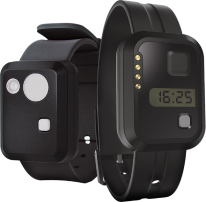
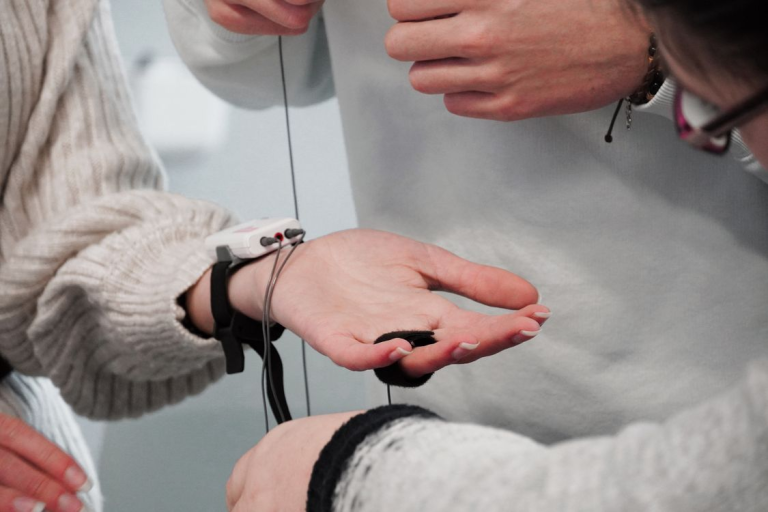
Most protocols favor wrist-based monitoring because the wrist captures movement patterns associated with wakefulness and rest. A wrist actigraphy device also supports higher patient acceptance during multi-night monitoring. Patients typically tolerate wrist-worn sensors better than chest, waist, or ankle placements.
Researchers must maintain consistency across studies because placement variability introduces measurement differences. Two patients can produce different activity profiles even when they follow identical schedules if they wear devices on different body locations.
Signal interpretation also changes by placement site. Wrist-based recordings capture fine motor activity, while hip or ankle placements emphasize ambulatory movement. That distinction matters when researchers evaluate sleep fragmentation, circadian rhythm stability, or behavioral interventions.

Wrist Placement and Clinical Advantages
Wrist placement dominates sleep medicine and circadian rhythm research because it balances comfort, compliance, and signal sensitivity.
A wrist actigraphy protocol supports continuous monitoring with minimal disruption to daily routines. Patients can wear devices during work, sleep, and routine activities without significant interference. Higher comfort often translates into stronger adherence across long-term monitoring periods.
Clinicians also benefit from standardized workflows. Most validation studies use wrist actigraphy, which simplifies comparisons across datasets and published literature.
The wrist location provides several operational advantages:
- Strong patient acceptance rates
- Stable long-term wear compliance
- Consistent motion capture during sleep
- Simplified device setup and education
- Better compatibility with sleep diary documentation
Many modern actigraphy monitoring devices also include a light sensor that captures environmental light exposure alongside movement data. Wrist placement improves environmental exposure tracking because the sensor remains exposed during typical daily activities.
Researchers studying circadian phase shifts or light-based interventions often prefer wrist-based monitoring for that reason.
Limitations of Non-Wrist Placement
Non-wrist placements can support specialized research goals, but they often create additional operational challenges.
Hip-mounted devices work well for ambulatory activity studies because they capture gait and locomotion more directly. However, hip placement may reduce overnight compliance. Patients frequently remove waist-mounted sensors during sleep because of discomfort.
Ankle placement can assist mobility assessments in neurological or rehabilitation studies. Yet ankle-based recordings may overestimate nocturnal movement because bedding interactions and leg repositioning create additional motion artifacts.
Chest-mounted systems create another challenge. Patients often perceive chest placement as intrusive, especially during extended wear periods. Lower comfort can reduce adherence and increase missing data.
These limitations matter because incomplete wear periods weaken analytical reliability. Data gaps complicate sleep scoring, circadian analysis, and longitudinal comparisons.
Wear Compliance and Data Quality
Wear compliance remains one of the most important variables in actigraphy research.
Even the most advanced actigraphy devices cannot produce reliable insights when participants remove sensors inconsistently. Clinicians and investigators must therefore consider adherence during protocol design.
Several factors influence compliance:
- Device comfort
- Wear visibility
- Duração da Bateria
- Skin irritation
- Study duration
- Patient education
- Ease of charging and maintenance
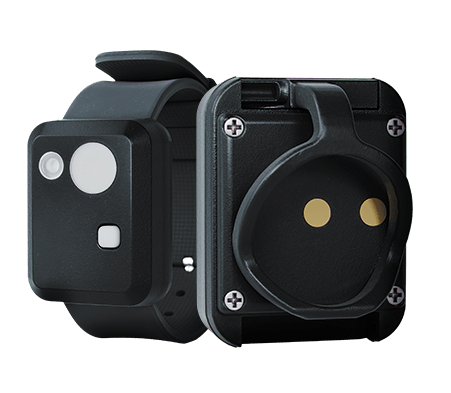
A lightweight actigraph watch often improves adherence because participants perceive it as less burdensome than bulkier alternatives.
Patient education also plays a major role. Clear instructions reduce uncertainty and encourage consistent wear behavior. Clinical teams should explain why continuous monitoring matters and how interruptions affect interpretation.
Researchers should also monitor adherence patterns during active studies. Early detection of non-compliance allows coordinators to intervene before data quality declines.
Advancing Clinical Research with Reliable Actigraphy Solutions
Em Condor Instruments, we support physicians, sleep specialists, and clinical researchers with advanced actigraphy monitoring devices designed for dependable long-term data collection.
We design every wrist actigraphy device to support patient comfort, reliable wear compliance, and high-quality signal acquisition across clinical and research settings. Our actigraph watch technology also integrates light sensor capabilities to strengthen circadian rhythm analysis and longitudinal monitoring workflows.
If your team needs validated actigraphy devices for sleep research, circadian studies, or clinical monitoring, we can help you implement reliable solutions that support data integrity from collection through interpretation.
Contato Agora.