

Wearable sleep monitoring systems have transformed how clinicians and researchers evaluate rest-activity patterns over extended periods. Actigrafia plays a central role in this evolution by enabling continuous, non-invasive data collection. An actigraph records movement in predefined time intervals, known as epochs, which are then used to estimate sleep and wake states. The selection of epoch length is a critical methodological decision that directly influences temporal resolution, signal interpretation, and the accuracy of derived sleep parameters.
What Is Epoch Length in Sleep Monitoring
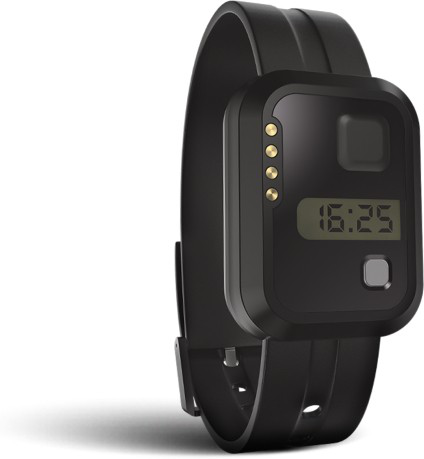
Epoch length refers to the duration of time over which raw sensor data is aggregated into a single activity count or summary value. Common epoch lengths in actigraphy range from 15 seconds to 60 seconds, though shorter or longer intervals may be used depending on study objectives. Shorter epochs capture more granular fluctuations in movement, while longer epochs provide smoother, less variable representations of activity.
The choice of epoch length affects how sleep algorithms classify periods of rest and wakefulness. For example, brief awakenings may be captured in shorter epochs but overlooked when data is averaged over longer intervals.
Impact on Sleep Metrics and Outcomes
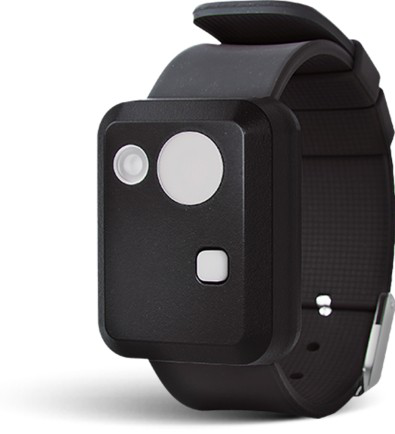
Temporal resolution has a measurable impact on key sleep metrics such as total sleep time, sleep latency, and wake after sleep onset. Short epoch lengths tend to increase sensitivity to movement, which may result in higher detection of wake episodes. This can be beneficial in studies focused on sleep fragmentation but may also introduce false positives due to minor, non-disruptive movements.
Conversely, longer epochs reduce sensitivity to transient activity, potentially leading to overestimation of sleep duration and efficiency. In clinical populations where subtle disturbances are clinically relevant, this smoothing effect can mask important patterns.
Researchers must align epoch selection with study endpoints. High-resolution data is advantageous for detailed behavioral analysis, while lower resolution may suffice for population-level trends or long-term monitoring.
Balancing Data Resolution and Noise
Shorter epochs increase data granularity but also amplify susceptibility to noise and artifacts. Environmental disturbances, device displacement, and non-sleep-related movements become more prominent at higher temporal resolutions. This necessitates more rigorous preprocessing and artifact detection protocols.
Longer epochs inherently filter out some noise through aggregation but at the cost of reduced temporal precision. The trade-off between resolution and signal stability is a central consideration in actigraphy-based study design.
Advanced analytical techniques, including adaptive filtering and machine learning models, can help mitigate noise while preserving meaningful patterns, allowing researchers to leverage shorter epochs without compromising data quality.
Additionally, hybrid epoch strategies are increasingly being explored in modern sleep research. These approaches dynamically adjust epoch length based on detected activity intensity, allowing systems to maintain high resolution during periods of fragmentation while applying longer aggregation windows during stable sleep phases. This adaptive structuring improves both sensitivity and specificity in sleep-wake classification.
Another important consideration is cross-study comparability. Differences in epoch settings can make it difficult to compare outcomes across datasets or meta-analyses. Establishing standardized reporting practices for epoch configuration enhances reproducibility and supports harmonization across research groups.
Finally, integration with multimodal wearable systems further complicates epoch selection but also offers opportunities for refinement. When actigraphy is combined with physiological signals such as heart rate variability or skin temperature, temporal alignment becomes critical, reinforcing the need for carefully optimized epoch strategies tailored to multi-sensor fusion workflows.
Best Practices for Epoch Selection
Selecting an appropriate epoch length requires consideration of study population, research objectives, and analytical methods. Pediatric and geriatric populations, for example, may benefit from shorter epochs due to more variable sleep patterns. Studies investigating insomnia or sleep fragmentation also require higher temporal resolution.
Additional constraints such as device limitations, storage capacity, and computational overhead may also influence epoch selection in large-scale deployments.
Standardization is equally important. Consistent epoch settings across participants and study phases ensure comparability and reproducibility. When integrating actigraphy with additional data sources such as sleep diary inputs or light sensor measurements, synchronization across time scales becomes essential.
This alignment reduces temporal mismatches and improves the reliability of multimodal inference.
Transparent reporting of epoch length and preprocessing methods strengthens the validity of findings and facilitates cross-study comparisons in sleep research.

Optimize Sleep Study Precision with Advanced Actigraphy Solutions from Condor Instruments
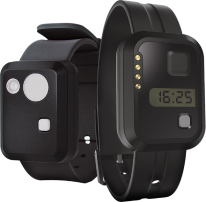
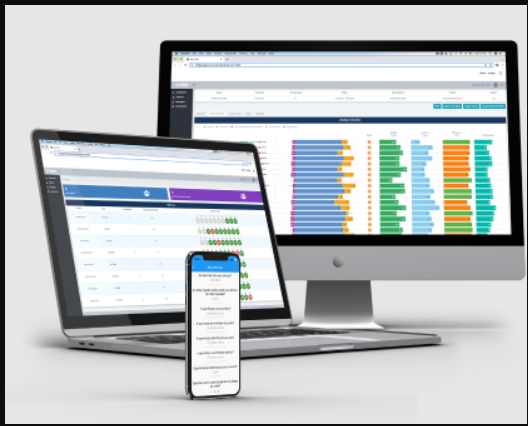
Select the right epoch length with confidence using high-resolution Actígrafo devices, integrated light sensor data, and structured sleep diary inputs. Partner with Condor Instruments to improve temporal accuracy and strengthen your sleep study outcomes.