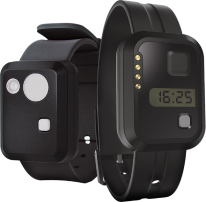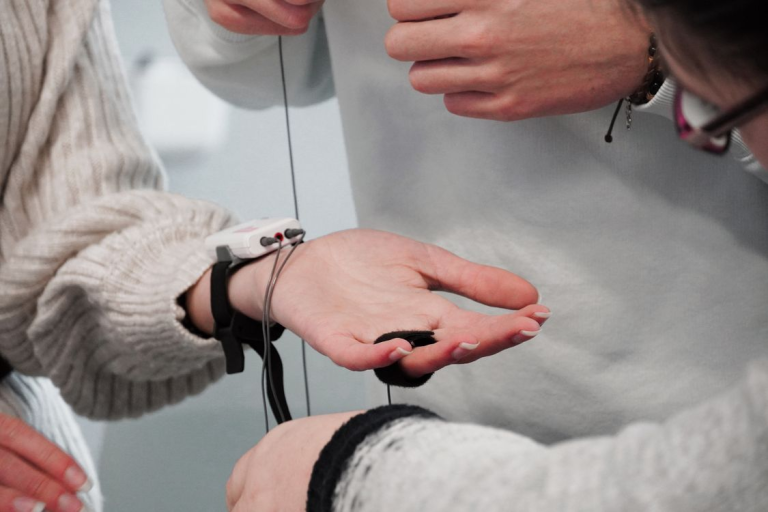



Em Actígrafoy research, sleep isn’t just tracked through movement—light exposure matters too. Light sensors, built into many wearable actigraphs, help researchers examine how environmental light impacts biological rhythms. Central to this are intrinsically photosensitive retinal ganglion cells (ipRGCs), which don’t aid vision but respond directly to light and regulate the brain’s circadian clock. By pairing actigraphy data with light sensor readings, researchers can better understand how lighting affects sleep patterns, mood, and circadian health. This article explores how light sensors and ipRGCs work together to enhance the accuracy and value of actigraphy in sleep and circadian studies.
What Are Light Sensors?
Light sensors are devices that detect and respond to various levels of illumination. They convert light energy into electrical signals, which can then be used to measure environmental lighting conditions. These sensors come in different forms—photodiodes, phototransistors, and more advanced sensor arrays. Their responsiveness to light makes them useful in both medical and research settings, especially when studying the human circadian system.
Many modern light sensors can record light exposure with a high degree of accuracy over extended periods. This capability has made them useful in sleep research, behavioral studies, and even mental health monitoring. They are often integrated into wearable technologies to gather long-term data on how light affects biological processes.
Understanding Intrinsically Photosensitive Retinal Ganglion Cells
ipRGCs are a specific type of neuron in the retina. Unlike rods and cones, which are responsible for image formation, ipRGCs respond directly to light using a photopigment called melanopsin. Their primary role is not vision but regulating physiological responses to ambient light. These include circadian rhythm synchronization, melatonin suppression, and pupil dilation.
ipRGCs project to areas of the brain involved in regulating the sleep-wake cycle and other non-visual processes. Because of this, they are central to studies on how light exposure affects human behavior and health. Research shows that disruptions to ipRGC signaling—such as from irregular light exposure—can contribute to sleep disorders and mood issues.
How Light Sensors and ipRGCs Interact in Research
By using light sensors to measure ambient light, researchers can analyze how much and what kind of light individuals are exposed to throughout the day. This data is then compared to biological outcomes linked to ipRGC activity. For example, if someone is exposed to excessive blue light in the evening, light sensors can help track the duration and intensity of that exposure. This information is useful in understanding delayed sleep onset or disrupted circadian rhythms.
Light sensors also support the design of interventions. By studying patterns of light exposure and ipRGC-driven responses, researchers can recommend lighting changes in homes, schools, and workplaces. This is especially relevant in populations with sleep problems, such as shift workers or individuals with autism.

Why It Matters
Research that connects light sensors with ipRGC activity has practical implications. It can lead to better sleep hygiene practices, more effective lighting in indoor environments, and improved mental well-being. For scientists and clinicians, having accurate tools to track light exposure is essential in developing effective interventions.
Want to see how advanced sensor technology is transforming sleep research? Condor Instruments offers high-precision actigraph and Actigrafia tools designed for long-term monitoring, including light exposure tracking. Our products help researchers connect environmental light data with biological outcomes, including ipRGC-related responses.
Contact us to learn more.