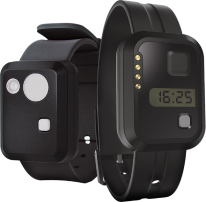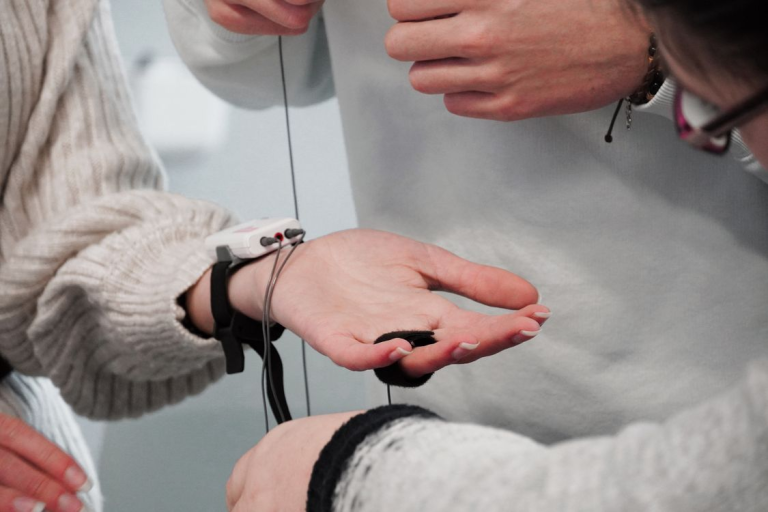


Actigraphy has revolutionized sleep and circadian research by enabling continuous, objective monitoring of activity and rest patterns in real-world settings. However, while actigraphy provides high-resolution temporal data, it cannot fully capture subjective experiences, contextual information, or qualitative insights into sleep behaviors. Combining actigraphy with sleep diaries and standardized questionnaires creates a multi-modal approach that enriches datasets, improves data validity, and enhances research outcomes.
Why Multi-Modal Data Matters
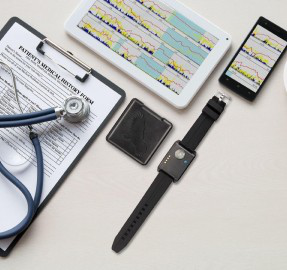
Actigraphy excels at measuring objective variables such as sleep duration, sleep onset latency, fragmentation, and circadian rhythms. Yet, it cannot capture nuanced subjective states such as perceived sleep quality, daytime fatigue, or sleep-related behaviors. These dimensions are critical in understanding the functional impact of sleep disorders and in correlating objective findings with participant-reported experiences.
Integrating actigraphy with self-reported tools allows researchers to:
- Validate actigraphy-derived metrics against participant perception
- Identify behavioral or environmental factors influencing sleep
- Improve participant engagement by actively involving them in data collection
This multi-layered approach helps bridge the gap between objective measurement and subjective experience, resulting in more holistic insights.
Sleep Diaries: Adding Context to Continuous Monitoring
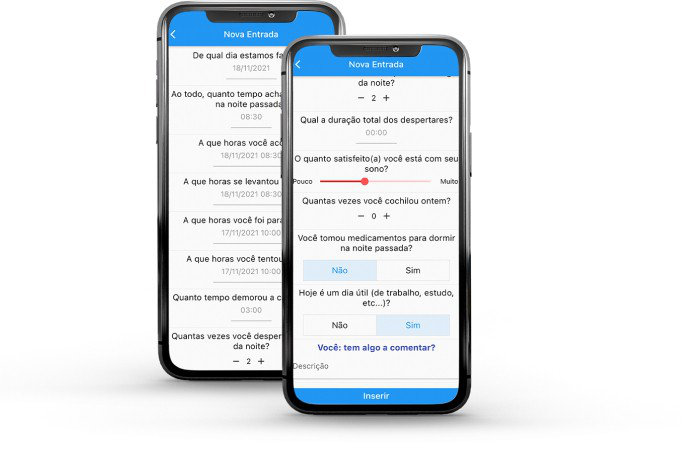
Sleep diaries are structured logs that participants use to record bedtimes, wake times, naps, and sleep-related events. Digital diaries can also capture contextual factors such as caffeine intake, exercise, or nighttime awakenings. When synchronized with actigraphy data, sleep diaries allow researchers to confirm or refine automated inferences about sleep patterns.
For example, actigraphy may misclassify quiet wakefulness as sleep. A concurrent Diário do sono entry noting nighttime awakenings or device removal can correct these misclassifications. Conversely, actigraphy can detect patterns that participants may overlook, such as short nighttime arousals or variability in sleep onset. By combining both sources, researchers gain greater confidence in the accuracy of sleep metrics.
Standardized Questionnaires: Capturing Behavioral and Psychological Dimensions

Questionnaires complement actigraphy by assessing factors that objective monitoring alone cannot measure. Commonly used instruments include:
- Pittsburgh Sleep Quality Index (PSQI) – evaluates overall sleep quality and disturbances
- Epworth Sleepiness Scale (ESS) – measures daytime sleepiness
- Insomnia Severity Index (ISI) – evaluates symptoms and severity of insomnia
These tools provide standardized, validated measures that can be correlated with actigraphy-derived metrics. For instance, discrepancies between high actigraphy-based sleep efficiency and poor self-reported sleep quality may reveal psychosocial stressors or subjective sleep dissatisfaction. Questionnaires also allow researchers to capture information about sleep hygiene, mood, and lifestyle factors, which are critical in multi-factorial analyses.
Benefits of Multi-Modal Data Integration
Integrating actigraphy, sleep diaries, and questionnaires offers several advantages:
- Improved Data Validity: Cross-referencing objective and subjective data helps confirm findings and reduces misclassification.
- Enhanced Behavioral Insights: Researchers can examine how lifestyle, environmental factors, or habits influence sleep patterns.
- Greater Participant Engagement: Active participation through diaries and surveys increases compliance and data completeness.
- Robust Analytical Opportunities: Multi-modal datasets enable advanced analyses, such as predictive modeling, clustering, and longitudinal assessment of sleep trajectories.
By leveraging these complementary sources, research outcomes become more actionable and scientifically robust.
Data Synchronization and Preprocessing Considerations
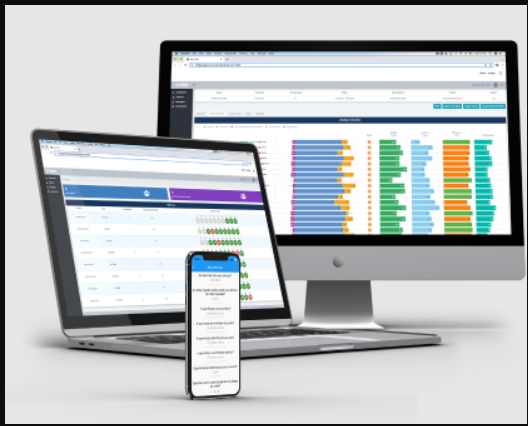
Successful integration requires careful data management. Actigraphy data must be time-stamped and synchronized with sleep diary entries and questionnaire responses. Digital platforms or mobile apps can streamline this process, allowing real-time synchronization and reducing manual errors.
Data preprocessing should include:
- Aligning timestamps across modalities
- Handling missing diary entries or incomplete questionnaires
- Standardizing units and scales for analysis
Documenting these procedures ensures reproducibility and allows for transparent reporting in publications.
Analytical Approaches for Multi-Modal Datasets
Multi-modal data can be analyzed using several strategies:
- Correlation Analysis: Assess relationships between objective actigraphy measures and subjective diary or questionnaire responses.
- Machine learning models:: Combine features from multiple modalities to predict outcomes such as sleep disorders or treatment responses.
- Latent Class Analysis: Identify patterns or clusters within heterogeneous sleep behaviors.
Using advanced analytics, researchers can uncover insights that would be missed when relying on a single data source.
Ethical and Privacy Considerations
Collecting multi-modal data increases the amount of personal information gathered, including subjective behaviors and lifestyle habits. Protecting participant privacy requires:
- Secure storage and encrypted transmission of actigraphy, diary, and questionnaire data
- De-identification or pseudonymization of datasets
- Transparent informed consent detailing the types of data collected and their intended use
Compliance with HIPAA, GDPR, or other regional regulations is essential. Researchers should also provide participants with clear guidance on data access, withdrawal, and confidentiality protections.
Challenges and Future Directions
Integrating multiple data sources presents technical and methodological challenges. These include ensuring participant compliance, managing heterogeneous datasets, and standardizing analysis protocols. Digital tools and mobile platforms are increasingly being used to reduce participant burden and automate synchronization.
Future directions may include real-time analytics and adaptive feedback loops, where discrepancies between actigraphy and diary reports trigger reminders or prompts. Integration with additional sensors—such as heart rate monitors, light sensors, or environmental trackers—could further enrich multi-modal datasets.
Conclusão
Combining Actigrafia with sleep diaries and questionnaires creates a powerful multi-modal approach that improves data validity, enriches behavioral insights, and strengthens research outcomes. Proper synchronization, preprocessing, and ethical safeguards ensure that datasets remain reliable and participant information is protected. As technology advances, integrating multiple data streams will continue to enhance our understanding of sleep and circadian biology.

Enhance Your Sleep Research with Condor Instruments’ Multi-Modal Solutions
Combine Actigraph devices, integrated light sensor technology, and digital Sleep diaries with questionnaires to capture objective and subjective sleep metrics. Elevate your study quality today. Contact now.