


Circadian research now depends on precise environmental data, not estimates or retrospective reporting. Researchers and sleep specialists need reliable ways to measure how light exposure shapes biological timing in real-world settings. Clinical teams also need scalable methods that support longitudinal monitoring without disrupting patient routines.
That demand drives rapid growth in actigraphy and light exposure circadian research. Integrated light sensing now gives clinicians and researchers direct access to environmental exposure patterns that influence circadian entrainment, sleep timing, and phase stability.
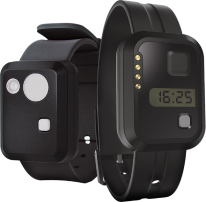
Modern actigraphy monitoring devices capture far more than activity counts. Advanced systems now combine motion tracking with light measurement, allowing researchers to evaluate how timing, intensity, duration, and spectral composition affect circadian rhythms. This capability supports stronger circadian phase modeling and improves the interpretation of behavioral and physiological data.
As circadian medicine expands across sleep clinics, neurology departments, psychiatry programs, and chronobiology laboratories, wearable technologies continue to reshape data collection strategies. A well-designed wearable light sensor now serves as a core component in circadian rhythm research rather than a secondary feature.

Why Light Exposure Matters in Circadian Research
Light acts as the primary zeitgeber for the human circadian system. It synchronizes internal biological rhythms with the external day-night cycle and influences melatonin secretion, alertness, cognitive performance, hormone regulation, and sleep timing.
Researchers studying distúrbios de ritmo circadiano must understand not only when participants sleep but also what light environments shape their circadian phase. Sleep diaries alone cannot provide that level of detail. Subjective reporting often misses brief exposures, indoor lighting variability, and timing inconsistencies.
Integrated light sensing solves this problem by collecting continuous environmental exposure data in naturalistic settings. Researchers can then correlate exposure patterns with sleep timing, activity rhythms, phase shifts, and treatment outcomes.
Clinicians increasingly use actigraphy alongside light exposure tracking when evaluating delayed sleep-wake phase disorder, advanced sleep-wake phase disorder, non-24-hour sleep-wake rhythm disorder, shift work disorder, and circadian disruption linked to neurodegenerative disease.
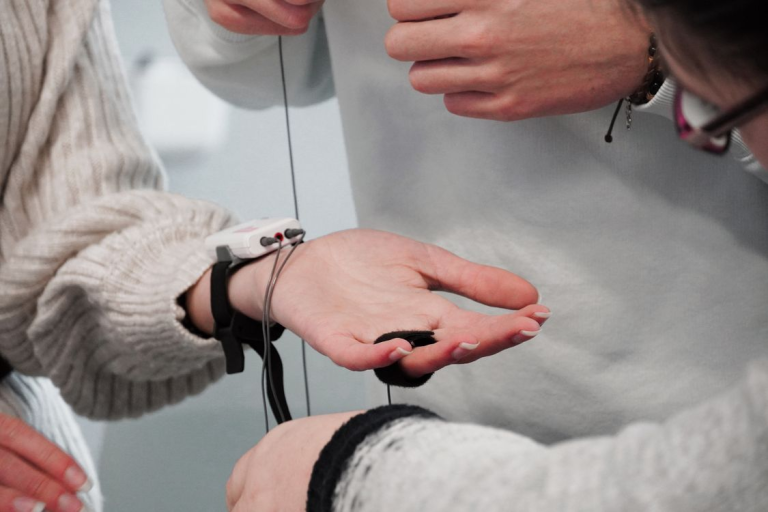
A wrist actigraphy device equipped with integrated light sensing allows clinicians to monitor patients over multiple days or weeks while preserving ecological validity. This approach improves longitudinal assessment and supports stronger clinical decision-making.
Integrated Light Sensors and Circadian Phase Modeling
Circadian phase modeling requires more than raw illumination values. Researchers need accurate measurements that reflect biologically meaningful light exposure.
Traditional systems often relied on generalized ambient light measurements that failed to capture spectral characteristics relevant to fisiologia circadiana. Newer systems address this limitation through advanced optical sensing and improved calibration strategies.
Researchers now evaluate several key variables during circadian phase analysis:
- Timing of light exposure
- Exposure duration
- Intensity patterns
- Spectral composition
- Daytime versus nighttime exposure
- Environmental transitions
- Individual behavioral context
These variables influence melatonin suppression, phase delays, and circadian entrainment strength.
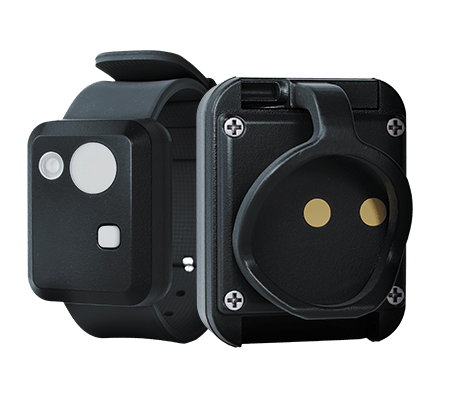
A wearable light sensor designed for circadian applications helps researchers quantify real-world exposure patterns with greater temporal precision. Researchers can then integrate that data into predictive circadian models and chronobiological analyses.
This capability becomes especially important during studies involving shift workers, adolescents, psychiatric populations, older adults, and patients with irregular sleep-wake schedules.
The Importance of Spectral Sensitivity
Circadian photoreception differs significantly from visual photoreception. Traditional photometric measurements emphasize visual brightness perception, but circadian systems respond strongly to short-wavelength blue-enriched light.
That distinction creates important challenges in actigraphy light exposure circadian research.
Many legacy systems focused primarily on photopic lux values, which reflect visual sensitivity rather than circadian effectiveness. While photopic measurements still provide useful environmental context, researchers increasingly prioritize biologically weighted metrics.
Modern systems now support melanopic measurements that better align with intrinsically photosensitive retinal ganglion cell responses. These cells play a central role in circadian entrainment.
Researchers, therefore, increasingly evaluate melanopic EDI lux wearable metrics alongside conventional illumination measurements. This strategy improves the interpretation of biologically relevant light exposure and strengthens circadian phase estimation.
At the same time, researchers still rely on photopic measurements during environmental characterization studies, occupational assessments, and comparative analyses. A photopic lux logger wearable, therefore, continues to provide important supporting data in clinical and laboratory protocols.
The most effective systems balance spectral specificity with practical usability. Researchers need devices that capture accurate measurements without creating excessive participant burden or workflow complexity.
Environmental Variability and Real-World Measurement Challenges
Laboratory lighting conditions remain highly controlled, but real-world environments rarely follow predictable patterns. Patients and study participants move through diverse settings throughout the day, including offices, homes, transit systems, outdoor spaces, and healthcare facilities.
Each environment introduces substantial variability in:
- Light intensity
- Spectral composition
- Exposure angle
- TEMPO DE DURAÇÃO
- Reflective surfaces
- Artificial lighting conditions
- Daylight availability
This variability complicates circadian analysis.
Researchers cannot assume that standard room illumination accurately represents biologically effective exposure. Two environments with similar visual brightness may produce very different circadian responses.
Wearable systems help address this challenge by collecting continuous longitudinal exposure data directly from participants during daily life. Researchers can identify exposure timing patterns, irregular schedules, and abrupt environmental transitions that influence circadian stability.
A wrist actigraphy device with integrated light sensing also improves ecological validity compared with stationary environmental sensors. Fixed room sensors cannot capture dynamic exposure patterns across multiple locations.
Researchers studying shift workers especially benefit from wearable monitoring because occupational schedules often produce irregular light-dark exposure cycles. Hospital personnel, transportation workers, industrial employees, and emergency responders frequently experience circadian disruption linked to nighttime light exposure and daytime sleep.
Integrated sensing allows researchers to quantify those exposures more accurately and evaluate intervention outcomes more effectively.
Applications in Circadian Rhythm Disorders
Circadian rhythm disorders require individualized assessment strategies. Many patients present with overlapping behavioral, neurological, and environmental factors that complicate diagnosis.
Integrated light sensing strengthens both research and clinical evaluation.
Clinicians studying delayed sleep-wake phase disorder can identify whether late-night light exposure contributes to phase delay. Researchers evaluating non-24-hour sleep-wake rhythm disorder can analyze irregular entrainment patterns across extended monitoring periods.
Sleep specialists also use actigraphy monitoring devices to examine treatment response during:
- Timed light therapy
- Chronotherapy
- Behavioral interventions
- Shift work adaptation protocols
- Melatonin treatment studies
- Dementia-related circadian care programs
Longitudinal light exposure analysis often reveals behavioral patterns that traditional clinical interviews fail to capture.
For example, a patient may report consistent sleep hygiene practices while still receiving substantial evening exposure from overhead LED lighting, workplace illumination, or prolonged indoor activity under blue-enriched lighting conditions. Integrated monitoring helps clinicians identify these factors and refine intervention strategies.
Researchers also increasingly examine circadian disruption in psychiatric populations. Bipolar disorder, major depressive disorder, schizophrenia, and neurodevelopmental conditions often involve altered circadian regulation.
Continuous environmental monitoring supports a better understanding of how light exposure patterns interact with mood regulation, cognitive performance, and sleep timing.
Data Integration and Multimodal Monitoring
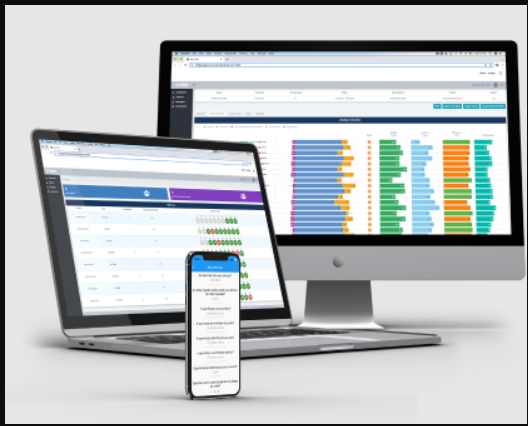
Circadian research increasingly relies on multimodal data integration. Light exposure data gains greater value when researchers combine it with activity rhythms, sleep timing, physiological markers, and patient-reported outcomes.
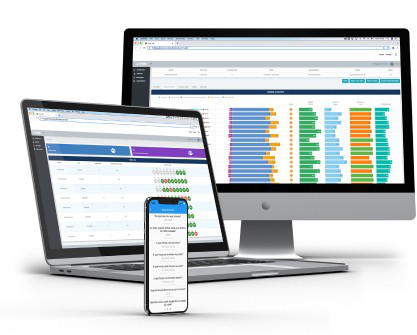
Actigraphy systems support this integration by collecting continuous behavioral and environmental measurements within a single platform.
Researchers commonly integrate:
- Activity measurements
- Sleep-wake estimates
- sleep diary data
- Light exposure metrics
- Event markers
- Subjective symptom reporting
- Chronotype assessments
This multidimensional approach improves interpretation accuracy and strengthens longitudinal analyses.
Importantly, clinicians must recognize that Actigraph systems cannot monitor REM sleep directly. Actigraphy estimates sleep-wake patterns based on movement rather than neurophysiological sleep staging. Researchers should therefore interpret actigraphy data within its intended methodological scope.
Despite that limitation, integrated wearable monitoring still provides substantial value in circadian assessment because researchers can evaluate behavioral timing and environmental exposure continuously over extended periods.
Device Design Considerations for Clinical and Research Use
Not all wearable systems perform equally in clinical and research settings. Device selection directly affects data quality, compliance, and analytical reliability.
Researchers evaluating wearable technologies should consider:
- Spectral sensitivity range
- Calibration accuracy
- sampling frequency
- Battery performance
- Wearability during long protocols
- Data export flexibility
- Integration with research software
- Environmental robustness
- Longitudinal stability
Clinical and research teams also require systems that support scalable deployment across multicenter studies and large participant cohorts.
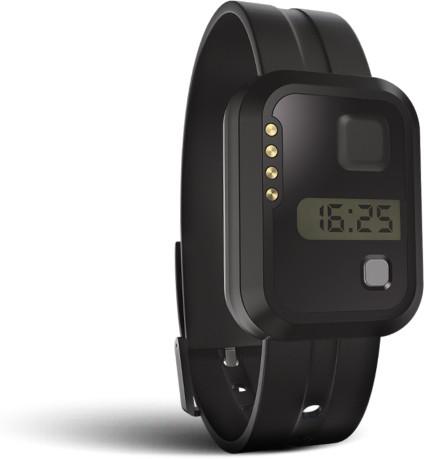
A wearable light sensor designed specifically for circadian applications should provide reliable measurements across varying environmental conditions while minimizing participant burden.
Similarly, actigraphy monitoring devices should support standardized workflows that facilitate reproducibility and cross-study comparison.
As circadian medicine evolves, researchers increasingly prioritize interoperable systems that support flexible analytical pipelines and advanced modeling approaches.
Perguntas frequentes
What does a wearable light sensor measure in circadian research?
A wearable light sensor measures environmental light exposure throughout the day and night. Researchers use this data to evaluate circadian entrainment, light timing, and biologically relevant exposure patterns.
Can actigraphy monitoring devices diagnose REM sleep?
No. Actigraphy monitoring devices estimate sleep-wake patterns through movement analysis, but they cannot monitor REM sleep or provide full sleep staging data.
Why do researchers use melanopic EDI lux wearable metrics?
Researchers use melanopic EDI lux wearable measurements because they better reflect circadian-effective light exposure. These metrics help improve circadian phase modeling and light exposure analysis in clinical and research settings.
Why We Support Advanced Circadian Monitoring
Em Condor Instruments, we understand the growing demands facing sleep specialists, physicians, and circadian researchers. We design solutions that support rigorous clinical workflows, longitudinal studies, and real-world circadian assessment.
Nosso actigraphy monitoring devices help research teams capture reliable behavioral and environmental data with integrated wearable light sensor capabilities designed for clinical and scientific applications.
We also recognize the market shift created by the global unavailability of Philips actigraphs. Many laboratories and sleep centers now require dependable alternatives that support continuity in circadian research protocols and long-term monitoring strategies.
Our systems support advanced actigraphy workflows through features that align with modern actigraphy light exposure circadian research requirements, including support for melanopic EDI lux wearable analysis, photopic lux logger wearable functionality, and long-duration wrist actigraphy device monitoring.
We continue to support clinicians and researchers who need scalable, research-focused actigraphy solutions that strengthen circadian assessment, longitudinal monitoring, and evidence-driven sleep medicine. Entre em contato Agora.