

Healthcare researchers increasingly seek objective methods to understand how behavior changes across days, weeks, and months. Traditional assessments provide snapshots of human health, but they often fail to capture fluctuations that occur outside clinical settings. The emergence of wearable digital phenotyping is transforming how physicians, sleep specialists, and researchers study behavior continuously.
By integrating Actigraphy, longitudinal monitoring, and environmental sensing, digital phenotyping enables a more comprehensive understanding of human physiology and behavior. These approaches support precision medicine and population health initiatives by revealing activity signatures and behavioral rhythms that conventional assessments cannot easily detect.
What Is Wearable Digital Phenotyping?
Wearable digital phenotyping refers to the continuous collection of physiological and behavioral information through sensor-based technologies. Instead of relying entirely on questionnaires or occasional clinic visits, researchers obtain objective data from wearable systems that monitor movement and daily patterns.
Modern actigraphy devices provide rich datasets that characterize rest-activity cycles and behavioral consistency over time. Combined with advanced analytics, these measurements create digital representations of human functioning that support individualized healthcare strategies. For physicians conducting sleep research, wearable monitoring provides insights that extend beyond simple sleep duration measurements.
Behavioral Rhythms Reveal More Than Sleep
Daily behavior follows biological rhythms influenced by circadian timing, work schedules, social interactions, and environmental conditions. These rhythms contain valuable information about health status. Continuous sleep and activity tracking enables investigators to study:
• Activity regularity
• Circadian stability
• Social rhythm disruptions
• Sleep timing consistency
• Behavioral variability
• Long-term recovery patterns
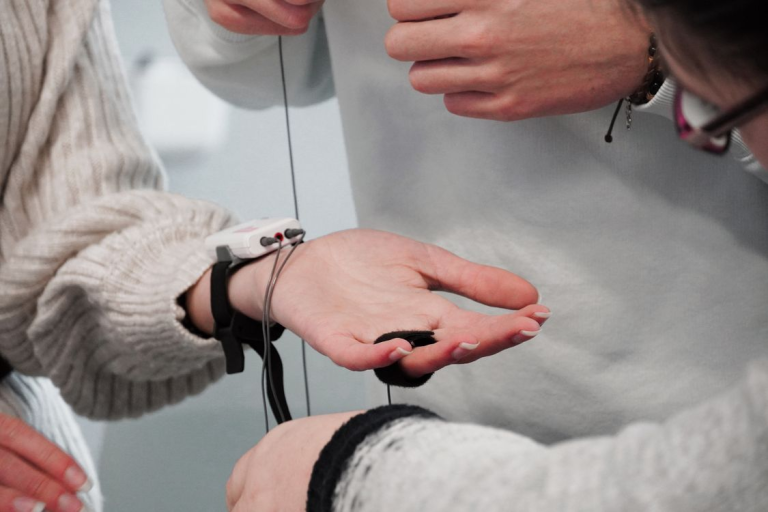
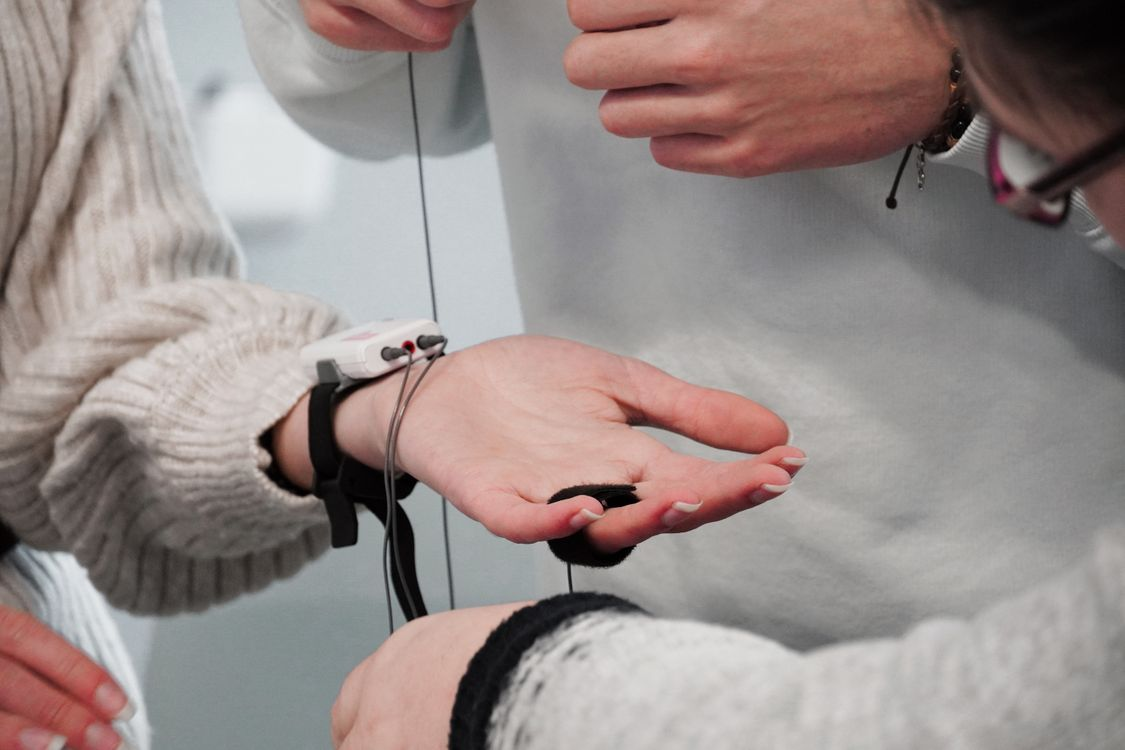
A wrist actigraphy device captures these changes without disrupting normal routines. This allows researchers to observe individuals in natural environments rather than controlled laboratory settings.
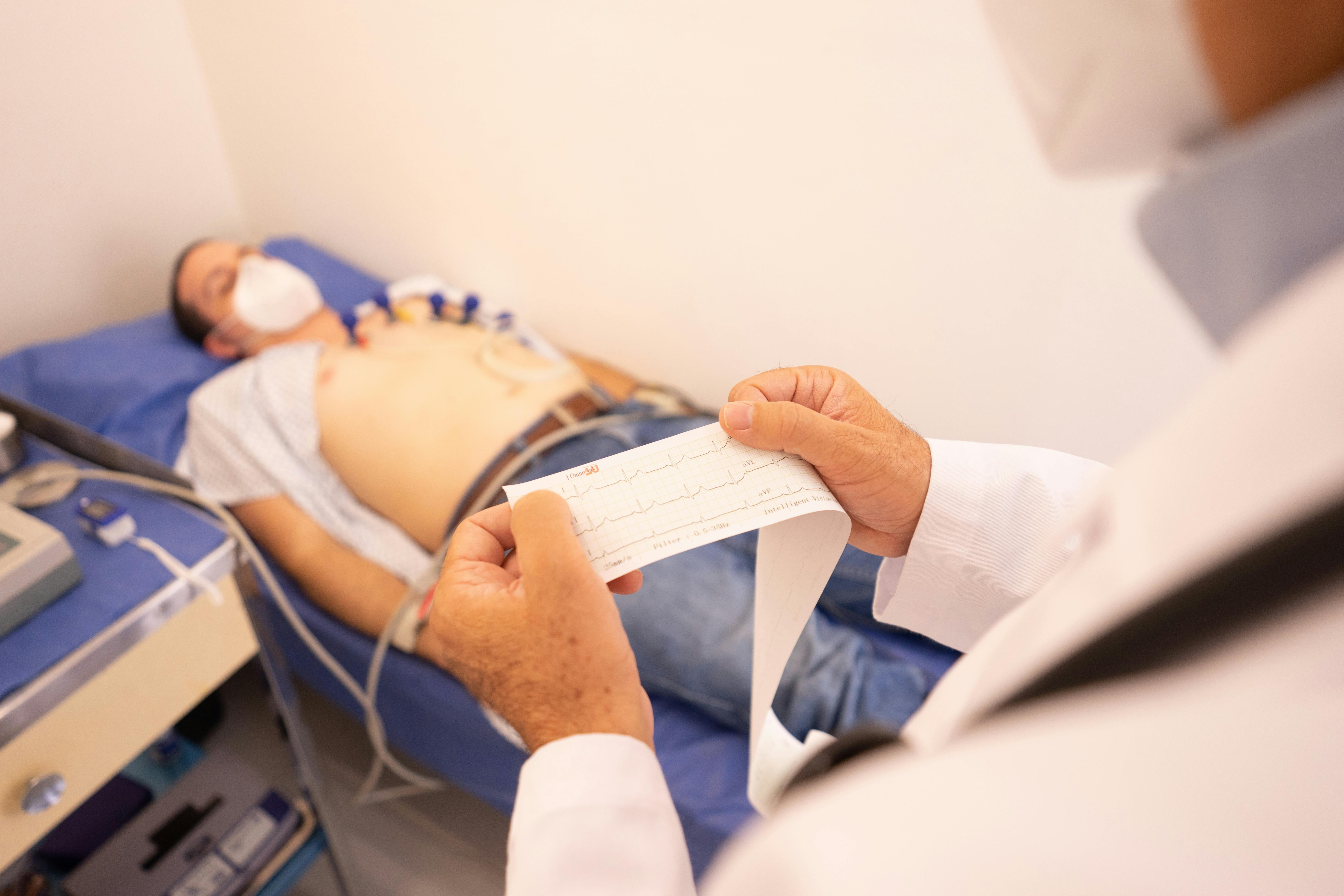
Moving Beyond Traditional Sleep Metrics
Sleep duration remains important, but modern medicine increasingly recognizes that health outcomes depend on much more than total hours slept. Continuous Actigraph recordings allow researchers to investigate:
• Activity fragmentation
• Circadian alignment
• Daily routine stability
• Sleep timing patterns
• Behavioral signatures associated with disease
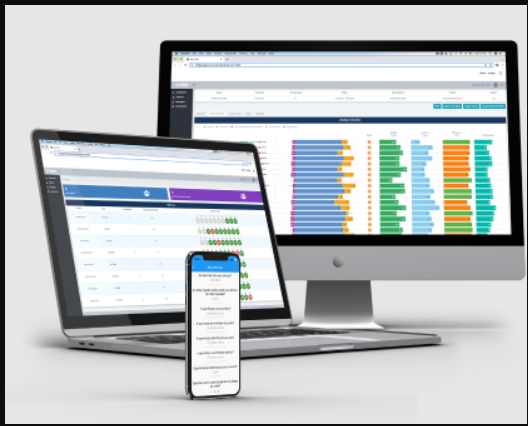
Importantly, an Actigraph device estimates sleep and wake states through movement measurements. It cannot monitor REM sleep, which requires polysomnography. Combining Sleep Diary documentation with objective monitoring creates stronger datasets for clinical studies. A digital sleep diary helps researchers correlate subjective experiences with physiological measurements collected through wearable technologies.
Longitudinal Monitoring Strengthens Precision Medicine
Human behavior changes over time. Acute illness, shift work, stress, medication use, and aging all influence behavioral patterns. Continuous monitoring allows physicians and researchers to identify subtle changes that may precede clinical symptoms. Modern actigraphy monitoring devices support longitudinal studies involving:
• Neurodegenerative disorders
• Psychiatric diseases
• Circadian disturbances
• Oncology recovery programs
• Cardiometabolic health
• Population health research
These approaches contribute to precision medicine by tailoring interventions according to individual behavioral profiles rather than population averages.

Activity Signatures as Digital Biomarkers
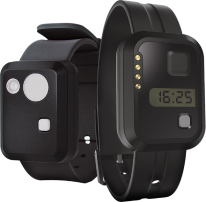
Researchers increasingly investigate behavioral signatures as potential digital biomarkers. Changes in mobility, sleep timing, and rest-activity cycles may indicate evolving health conditions long before traditional symptoms appear. A modern actigraphy watch continuously records movement patterns that contribute to these digital biomarkers.
Investigators conducting sleep studies can evaluate:
• Recovery following treatment
• Disease progression
• Medication response
• Cognitive decline risk
• Circadian disturbances
When combined with a sleep diary app, objective monitoring provides a richer picture of daily functioning.
Environmental Exposure Adds Another Dimension
Human behavior is strongly influenced by environmental conditions, especially light exposure. Integrating a wearable light sensor with wrist actigraphy expands digital phenotyping beyond activity alone. Researchers gain insight into how environmental factors influence circadian rhythms and behavioral stability. Advanced systems incorporating a Melanopic EDI sensor and photopic lux logger wearable provide continuous measurements of biologically relevant light exposure. This integrated approach supports investigations involving:
• Shift workers
• Hospitalized patients
• Psychiatric populations
• Athletes and recovery studies
• Aging populations
Population Health Applications Continue Expanding
Continuous wearable monitoring has applications far beyond sleep medicine.
Researchers now use actigraphy watches and behavioral analysis to study:
Mental Health
Behavioral changes may help identify worsening depression, bipolar disorders, and anxiety-related disruptions.
Neurologia
Digital biomarkers can reveal changes associated with neurodegenerative diseases.
Cardiometabolic Research
Activity patterns influence obesity, diabetes, and cardiovascular outcomes.
Aging Research
Long-term monitoring helps researchers understand functional decline and circadian changes in older adults.
Occupational Medicine
Behavioral data improves understanding of shift work adaptation and fatigue management.
As wearable digital phenotyping evolves, population-level datasets may support earlier interventions and more personalized treatment approaches.
Replacing Legacy Solutions in Modern Research
Many laboratories historically relied on Philips Actiwatch systems. With these products no longer available worldwide, research institutions increasingly require dependable alternatives. Condor Instruments provides advanced actigraphy devices designed for clinical and research applications. These solutions deliver long battery life, integrated software, and remote monitoring capabilities that support modern behavioral investigations. Researchers seeking alternatives to legacy systems previously associated with the Actiwatch activity monitor can benefit from contemporary platforms developed specifically for longitudinal studies.
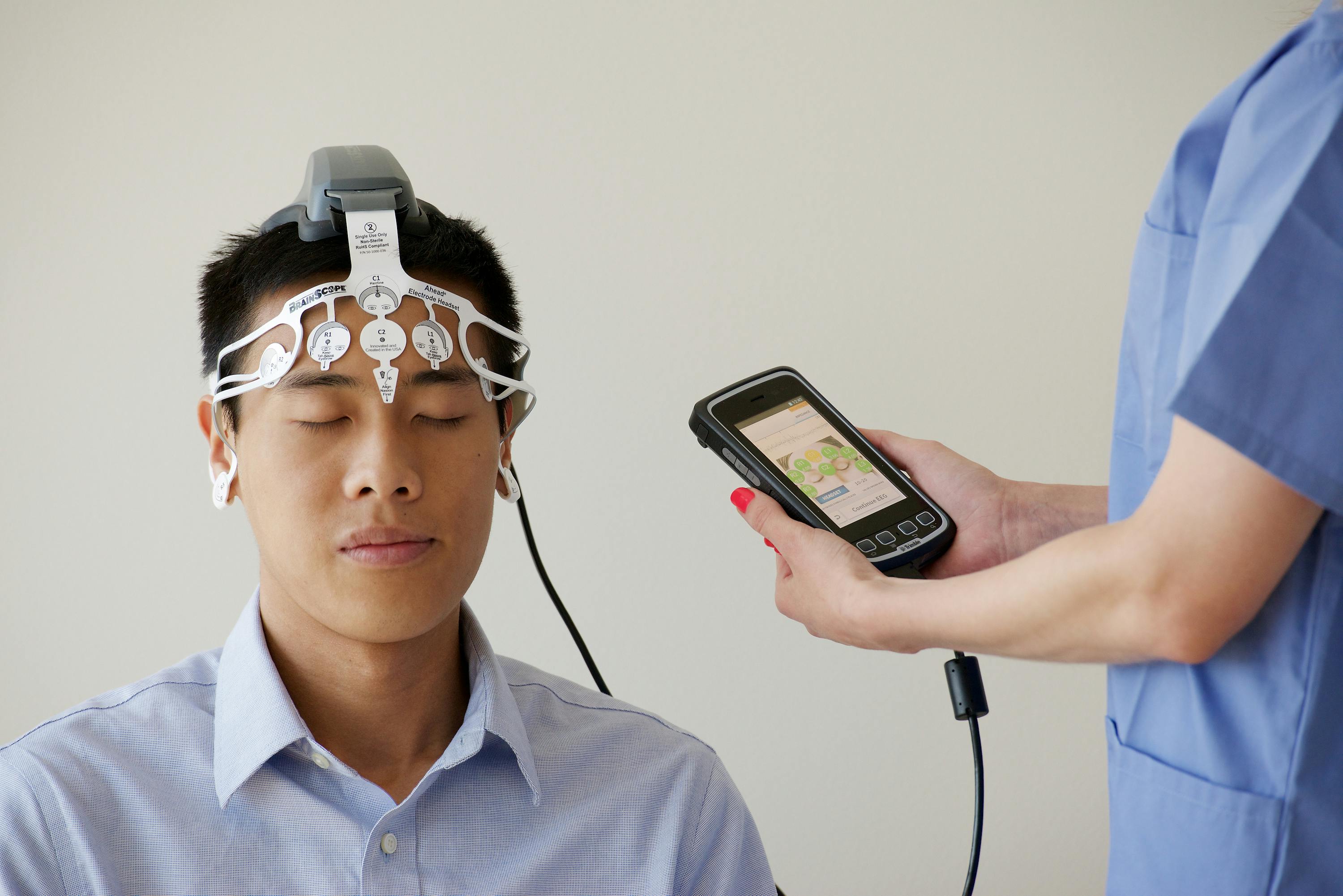
O futuro da fenotipagem digital
The next generation of digital phenotyping will integrate:
• Continuous Actigraphy
• Behavioral analytics
• Environmental sensing
• Machine learning models
• Physiological biomarkers
• Remote monitoring systems
These technologies will support earlier disease detection and more personalized healthcare interventions.
For physicians, sleep specialists, and researchers, wearable monitoring represents an opportunity to understand health through continuous behavior rather than isolated measurements. As precision medicine advances, objective longitudinal data will become increasingly essential for improving outcomes and understanding human physiology.
Machine Learning and the Next Generation of Behavioral Analytics
Artificial intelligence and machine learning are accelerating the evolution of wearable digital phenotyping. As researchers collect larger datasets through continuous monitoring, advanced algorithms can identify patterns that would be difficult to recognize using traditional statistical methods alone.
Modern actigraphy comparison studies increasingly incorporate machine learning to analyze behavioral rhythms across extended periods. These models can detect subtle changes in activity patterns, circadian stability, and sleep timing that may indicate emerging health concerns. Continuous sleep and activity tracking provides thousands of data points that support predictive modeling. Investigators are using these datasets to develop digital biomarkers associated with:
• Cognitive decline
• Mood disorders
• Recovery following illness
• Circadian rhythm disruption
• Treatment adherence
• Functional impairment
Combining objective measurements from a wrist actigraphy system with information from a sleep diary for research creates multidimensional datasets that improve analytical accuracy. Researchers conducting large-scale sleep studies increasingly recognize the value of integrating subjective reports with wearable measurements. Environmental variables also play an important role. Incorporating data from a wearable actigraphy light sensor allows investigators to examine how light exposure influences behavioral patterns and circadian timing. A dedicated Melanopic EDI logger provides additional information about biologically relevant light exposure that supports more comprehensive analyses.
As computational tools continue to evolve, wearable digital phenotyping will move beyond observation and toward prediction. Future models may help clinicians identify risk factors earlier, personalize treatment strategies, and monitor intervention outcomes with greater precision. These advances position continuous behavioral monitoring as a cornerstone of data-driven medicine and the future of clinical sleep research.
Advancing Behavioral Monitoring With Condor Instruments
At Condor Instruments, we help physicians, sleep specialists, and researchers collect reliable longitudinal data through advanced wearable technologies designed for modern clinical investigations. As Philips Actiwatch systems are no longer available worldwide, our solutions provide one of the strongest alternatives for institutions seeking dependable Actigrafia platforms.
Whether your studies involve behavioral rhythms, environmental monitoring, or population health applications, our technologies support high-quality data collection and research efficiency. Explore our advanced wearable monitoring solutions, discover our clinical and research products, ou connect with our team to discuss your next study.
Frequently Asked Question
What Is Wearable Digital Phenotyping?
Wearable digital phenotyping involves continuously collecting behavioral and physiological information using wearable sensors to create objective profiles of human health and daily functioning.
How does Actigraphy support digital phenotyping?
Actigraphy provides continuous measurements of rest-activity cycles, allowing researchers to study behavioral rhythms and long-term physiological changes.
Can an Actigraph monitor REM sleep?
No. An Actigraph estimates sleep and wake patterns through movement analysis, but it cannot detect REM sleep. Polysomnography remains necessary for sleep stage assessment.
Why are longitudinal datasets important?
Long-term monitoring reveals behavioral changes that short assessments may miss, supporting precision medicine and population health research.