

Clinical researchers rely on wearable light exposure measurement to understand how environmental light shapes circadian timing. Physicians and sleep specialists no longer depend on subjective reporting alone. They combine Actigraphy, Sleep Diary, and objective light tracking to build a full physiological timeline of patient behavior.
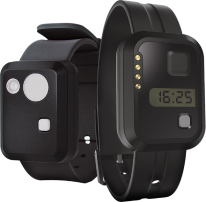
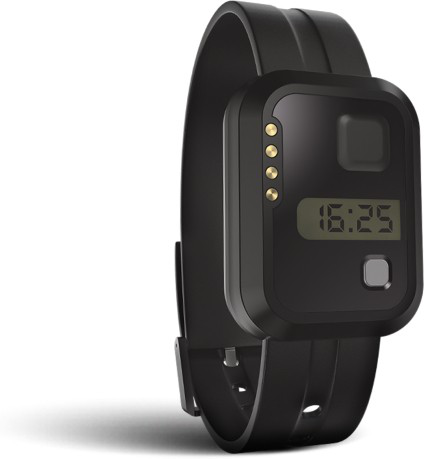
A wearable light sensor delivers meaningful data only when researchers place it correctly. A wearable actigraphy light sensor on the wrist records different exposure patterns than sensors placed near the chest or head. This difference changes how clinicians interpret melatonin timing, sleep onset, and circadian misalignment.
Wrist-Based Monitoring in Clinical Practice
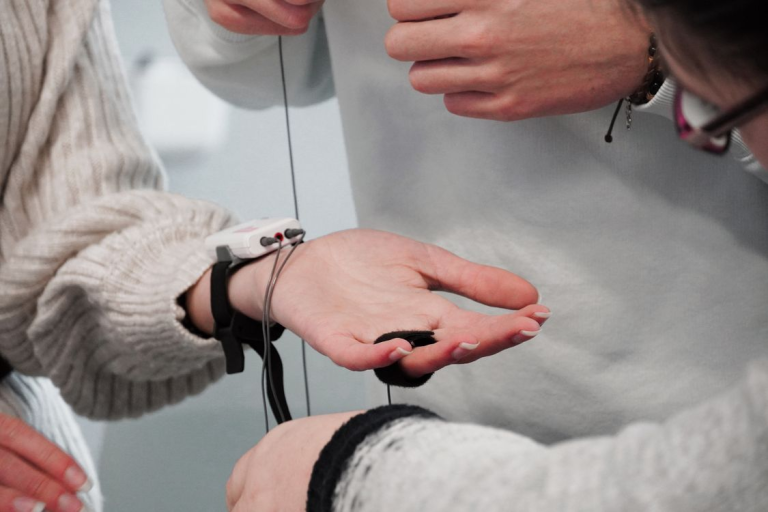
Most clinical protocols still use wrist placement because it integrates naturally with actigraphy workflows. Patients tolerate wrist devices during long monitoring periods, which improves adherence in outpatient sleep studies.
Researchers often combine Actigrafia with a light sensor on the wrist to track rest-activity cycles alongside environmental exposure. This pairing supports large-scale studies in insomnia, shift work disorder, and delayed sleep phase syndrome.
However, wrist placement introduces measurement bias. The wrist does not consistently face light sources. Patients may read, use phones, or sit under bright lighting while their wrist remains angled away. This mismatch reduces the precision of true ocular light exposure estimates.
Clinicians address this limitation by pairing wrist data with a Sleep Diary. The diary helps them interpret behavior during low-motion wakefulness or evening screen exposure.
Alternative Sensor Placement for Higher Fidelity
Researchers improve circadian accuracy by testing alternative placement sites. Chest-mounted or shoulder-mounted configurations capture more consistent ambient exposure than wrist-only setups.
A wearable actigraphy light sensor placed closer to the upper torso aligns more closely with the visual field. This position improves estimates of retinal light exposure during daily routines such as work, commuting, and evening leisure.
Head-adjacent placement provides the highest accuracy for circadian modeling. It captures light that more directly influences the suprachiasmatic nucleus through retinal pathways. However, clinicians often avoid this placement in long-term studies due to comfort and compliance challenges.
Spectral Sensitivity and Circadian Relevance
Modern circadian research demands more than simple brightness measurements. Standard lux values fail to describe how light affects biological timing.
A Melanopic EDI Sensor captures circadian-effective light by weighting short-wavelength sensitivity that influences melatonin suppression. This metric helps physicians quantify biologically relevant exposure rather than just visible brightness.
A Photopic lux logger wearable still plays an important role in environmental mapping. Hospitals, sleep labs, and shift work environments often use photopic logging to understand general lighting conditions before applying melanopic correction models.
Researchers combine both metrics to build complete exposure profiles. This approach improves circadian phase prediction and strengthens treatment planning for light therapy interventions.
Clinical Interpretation in Sleep Medicine
Sleep specialists depend on integrated data streams to evaluate circadian disruption. They combine Actigraphy, light exposure tracking, and behavioral reporting to identify patterns that influence sleep timing.
It is important to note that Actigraph systems do not monitor REM sleep. Clinicians use Actigraphy to estimate sleep-wake patterns rather than sleep architecture. They rely on polysomnography when they need detailed staging.
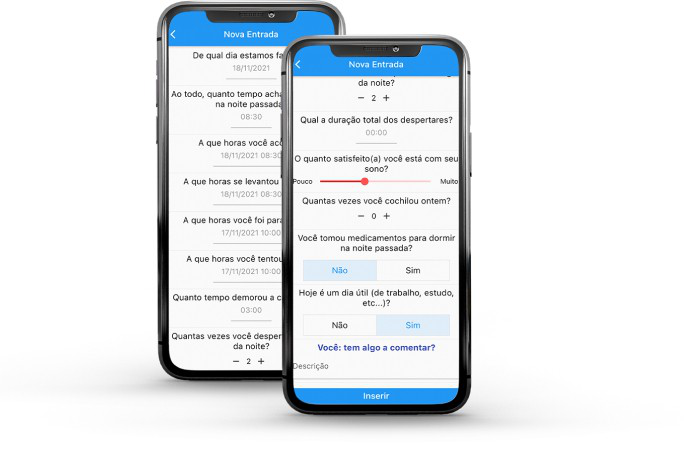
uma Diário do sono adds context to Actigraphy and light data. Patients record bedtime, wake time, naps, and subjective sleep quality. This combination helps clinicians resolve ambiguities such as quiet wakefulness or fragmented sleep episodes.
Light exposure data strengthens clinical interpretation. A properly positioned light sensor shows whether evening exposure delays melatonin onset or whether morning light supports circadian advancement. Physicians use this information to adjust behavioral interventions and light therapy timing.
Placement as a Core Research Variable
Researchers often treat placement as a secondary concern, but it strongly influences data validity. Wrist-only monitoring can underestimate evening exposure, while chest placement can overrepresent seated indoor lighting.
Clinical teams improve reproducibility when they standardize placement across all participants. They must document placement details in study protocols to ensure consistent interpretation across multi-site trials.
Large-scale studies benefit from uniform deployment of a wearable actigraphy light sensor. Standardized placement reduces variability and improves statistical confidence in circadian phase modeling.

Advancing Circadian Research With Condor Instruments
Sleep research continues to expand across hospital systems, academic labs, and occupational health programs. Physicians increasingly integrate light exposure monitoring into diagnostic pathways for insomnia, circadian rhythm disorders, and shift work adaptation.
Many research groups previously depended on Philips actigraph systems, but global availability has declined. Clinicians now seek stable, research-focused alternatives that maintain continuity in long-term datasets.
Condor Instruments delivers clinical-grade solutions designed for B2B research environments. Our platform supports wearable light exposure measurement, Actigraphy, and spectral tracking in a unified system. Researchers use it to replace legacy Actigraph hardware and maintain continuity in longitudinal studies.
Condor Instruments positions its systems as a strong replacement option for discontinued Philips actigraph devices. Fale Conosco today to learn more.