

Sleep laboratories, clinical researchers, and translational medicine teams now face a common challenge. Large datasets arrive from multiple systems, yet many studies still analyze each signal stream in isolation. Researchers collect movement data, respiratory trends, cardiac metrics, and polysomnography recordings, but fragmented analysis often limits clinical insight. Multimodal sleep data integration solves that problem by combining synchronized datasets into a unified framework for deeper interpretation.
Modern sleep medicine demands more than single-channel monitoring. Researchers need scalable approaches that improve phenotyping precision, strengthen longitudinal studies, and support decentralized sleep assessment protocols. Clinical teams increasingly rely on Actigrafia monitoring devices alongside PSG and physiological sensors because integrated datasets reveal behavioral and physiological patterns that isolated systems often miss.
This shift has reshaped sleep research workflows across hospitals, universities, and contract research organizations. Investigators now combine actigraphy, respiratory monitoring, heart rate variability, oxygen saturation, and environmental light exposure into synchronized analytical pipelines. These multimodal strategies improve data reliability while supporting broader patient populations outside traditional sleep laboratories.
Why Multimodal Sleep Data Integration Matters
Traditional polysomnography delivers detailed physiological insight, yet PSG studies create operational constraints. Laboratories require trained technicians, overnight supervision, controlled environments, and expensive infrastructure. These limitations reduce scalability for longitudinal and population-based studies.
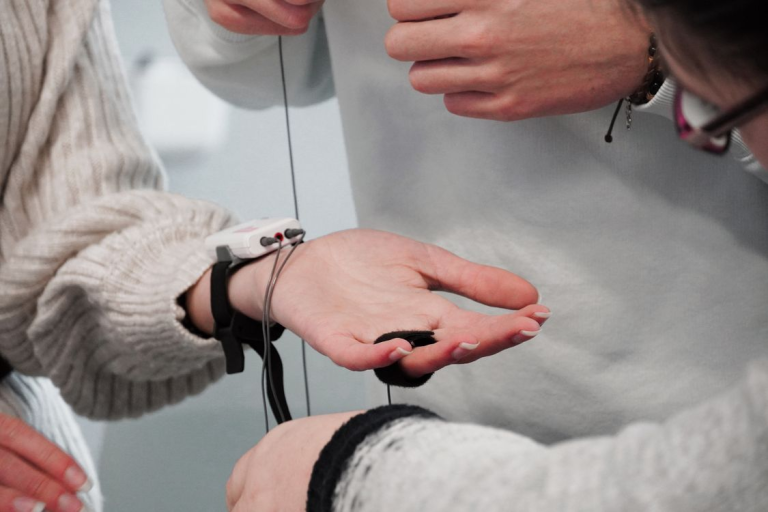
Actigraphy addresses several of these barriers. A wrist actigraphy device allows researchers to monitor sleep-wake patterns over extended periods with minimal participant burden. Longitudinal movement tracking supports circadian rhythm analysis, sleep timing assessment, and behavioral monitoring across naturalistic environments.
However, actigraphy alone cannot capture every physiological dimension of sleep. An actigraph device for sleep research estimates sleep and wake states through movement patterns, but it cannot directly identify REM sleep stages. Researchers therefore combine actigraphy with PSG and physiological biomarkers to improve classification accuracy and clinical interpretation.
Multimodal sleep data integration creates several advantages for research teams:
- Improved sleep phenotyping accuracy
- Better identification of sleep fragmentation patterns
- Stronger circadian rhythm analysis
- Enhanced detection of cardiopulmonary abnormalities
- More reliable longitudinal monitoring
- Reduced dependence on single-night laboratory studies
- Greater ecological validity during home-based monitoring
Integrated frameworks also strengthen translational sleep science. Clinical investigators can correlate behavioral sleep disruption with respiratory instability, autonomic nervous system activity, and environmental exposure patterns. These multidimensional datasets support precision medicine initiatives and improve patient stratification.
The Core Components of Multimodal Sleep Monitoring
Modern sleep studies often combine several synchronized modalities. Each signal contributes a unique physiological perspective.
Actigrafia
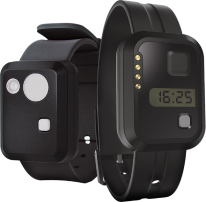
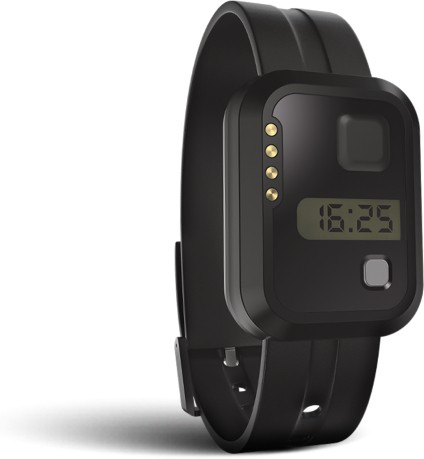
Actigraphy measures motion patterns through accelerometry. Researchers commonly deploy actigraphy monitoring devices during longitudinal sleep studies because they support continuous monitoring across multiple days or weeks.
An actigraph provides valuable insight into:
- Sleep onset timing
- Wake after sleep onset
- Circadian rhythm regularity
- Daytime activity levels
- fragmentação do sono
- Behavioral sleep trends
Researchers frequently pair actigraphy with a Diário do sono to improve contextual interpretation. Participants document bedtime routines, subjective sleep quality, medication timing, naps, and environmental disturbances. Combined datasets improve scoring accuracy and reduce ambiguity during analysis.
polissonografia
PSG remains the clinical reference standard for comprehensive sleep evaluation. PSG systems measure:
- Electroencephalography
- Electrooculography
- Electromyography
- Respiratory airflow
- Oxygen saturation
- Cardiac activity
- Limb movement
These recordings support detailed sleep staging and respiratory event scoring. PSG also enables identification of sleep-disordered breathing, periodic limb movements, parasomnias, and arousal patterns.
Despite its diagnostic strength, PSG creates workflow complexity during large-scale research studies. Multimodal frameworks therefore use PSG strategically for calibration, validation, and subset analysis while actigraphy extends monitoring duration.

Cardiovascular Signals
Heart rate and heart rate variability provide valuable insight into autonomic nervous system activity during sleep. Researchers often integrate electrocardiography or photoplethysmography into multimodal protocols.
Cardiovascular metrics support:
- Autonomic arousal analysis
- Stress response evaluation
- Sleep stage transition analysis
- Cardiometabolic risk assessment
- Detection of nocturnal instability
Integrated cardiac datasets improve understanding of sleep disorders that involve autonomic dysregulation, including insomnia, obstructive sleep apnea, and circadian rhythm disorders.
Respiratory Signals
Respiratory monitoring adds another critical layer to multimodal analysis. Sleep researchers frequently incorporate:
- Respiratory inductance plethysmography
- Nasal airflow sensors
- Pulse oximetry
- Snore detection systems
- Respiratory effort channels
Combined respiratory and movement data improve event detection during home-based sleep assessment. Researchers can identify breathing disturbances alongside behavioral sleep disruption patterns.
Environmental light exposure
Light exposure strongly influences circadian biology and sleep timing. Research teams increasingly incorporate Light Sensor technology into longitudinal protocols.
A Photopic lux logger wearable measures visible light intensity, while a Melanopic EDI lux wearable quantifies biologically relevant light exposure associated with circadian regulation. These measurements help investigators analyze how environmental lighting influences melatonin suppression, sleep timing, and circadian phase alignment.
Integrated light exposure analysis supports research involving shift work, jet lag, delayed sleep phase disorder, and occupational sleep health.
Synchronization Challenges in Multimodal Sleep Research
Multimodal sleep data integration requires precise synchronization across devices and signal streams. Poor alignment introduces analytical error and weakens phenotyping accuracy.
Several challenges commonly affect synchronization workflows.
Timestamp Drift
Different monitoring systems often use independent internal clocks. Small timing discrepancies accumulate over multi-night recordings and create alignment errors between movement, respiratory, and physiological data.
Research teams must therefore validate device clocks before deployment and perform post-collection correction procedures when necessary.
Sampling Frequency Mismatch
PSG systems may collect data at high sampling rates, while actigraphy systems often summarize movement data into epochs. Researchers must harmonize datasets through interpolation, resampling, or epoch standardization. Without careful preprocessing, investigators risk inaccurate event matching across modalities.
Data Loss and Signal Artifacts
Wearable systems sometimes produce motion artifacts, signal dropout, or incomplete recordings. Multimodal workflows require robust quality-control protocols to identify corrupted segments before integration.
Researchers often apply artifact rejection algorithms and manual review procedures to maintain dataset integrity.
Environmental variability
Home-based studies introduce environmental inconsistency. Noise exposure, irregular schedules, variable lighting conditions, and device adherence issues can influence signal quality.
Integrated frameworks must therefore include contextual metadata, behavioral logs, and compliance monitoring.
Strategies for Effective Data Alignment
Successful multimodal frameworks rely on standardized alignment methods that improve consistency across datasets.
Unified Time Architecture
Research groups increasingly implement centralized synchronization systems that align every device to a common reference clock before deployment. This strategy reduces timestamp drift and simplifies downstream analysis.

Epoch Standardization
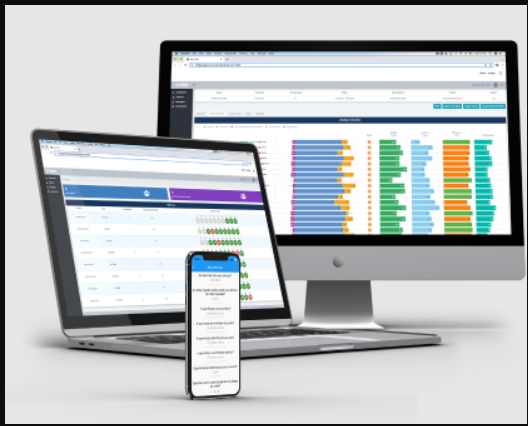
Many investigators convert multimodal recordings into standardized epochs. Unified epochs improve comparison between actigraphy, PSG scoring, respiratory events, and cardiac metrics. Standardization also supports machine learning workflows and automated classification pipelines.
Event-Based Alignment
Researchers frequently use physiological landmarks for cross-modal alignment. Respiratory events, body position changes, or abrupt awakenings can serve as anchor points during synchronization. Event-based correction improves temporal precision during long-duration studies.
Automated Quality Control
Large sleep datasets require scalable validation workflows. Automated quality-control algorithms can identify:
- Missing data segments
- Sensor detachment
- Motion artifacts
- Physiological outliers
- Synchronization inconsistencies
These automated systems reduce manual review burden while improving reproducibility.
Improving Sleep Phenotyping Through Integrated Analysis
Sleep phenotyping requires accurate characterization of behavioral and physiological sleep traits. Multimodal sleep data integration improves this process by combining complementary information streams.
Researchers can identify nuanced patient subgroups that traditional single-modality analysis often overlooks.

Insomnia Research
Integrated actigraphy and autonomic data help researchers distinguish physiological hyperarousal from subjective sleep complaints. Sleep diaries combined with physiological monitoring also improve interpretation of sleep-state misperception.
Obstructive Sleep Apnea Studies
Respiratory signals combined with movement and cardiac metrics provide broader insight into apnea burden and nocturnal instability. Researchers can also evaluate sleep fragmentation outside laboratory environments.
distúrbios de ritmo circadiano
Longitudinal actigraphy combined with light exposure monitoring strengthens circadian phase analysis. A wrist actigraphy device paired with a Light Sensor allows investigators to examine behavioral and environmental contributors to circadian disruption.
Neurodegenerative Disease Research
Sleep disruption often precedes neurological decline. Multimodal monitoring supports early detection of sleep fragmentation, circadian instability, and autonomic dysfunction in aging populations.
Integrated analysis also improves longitudinal tracking during neurodegenerative disease progression studies.
The Role of Machine Learning in Multimodal Sleep Data Integration
Machine learning continues to reshape sleep research. Integrated datasets provide rich input for predictive modeling and automated classification.
Researchers now train algorithms using synchronized physiological and behavioral datasets rather than isolated signals.
Machine learning applications include:
- Automated sleep-wake classification
- Respiratory event detection
- Circadian rhythm prediction
- Sleep phenotype clustering
- Artifact identification
- Longitudinal risk prediction
These analytical approaches improve scalability during large multicenter studies.
However, algorithm performance still depends on dataset quality. Researchers must prioritize synchronization accuracy, standardized preprocessing, and transparent validation methods.
Operational Considerations for Clinical Research Teams
Successful multimodal deployment requires strong operational planning. Sleep laboratories and research organizations should evaluate several factors before implementation.
Device Compatibility
Research teams should select systems that support interoperable data formats and flexible export capabilities. Closed ecosystems often complicate downstream integration.
Participant compliance
Longitudinal studies depend on consistent participant adherence. Comfortable wearables, simplified protocols, and clear training procedures improve data completeness.
Data Storage Infrastructure
Multimodal studies generate large datasets. Organizations need scalable storage environments, secure transfer protocols, and standardized naming structures.
Regulatory and Ethical Oversight
Clinical researchers must maintain transparent consent procedures, secure data handling practices, and strong governance frameworks throughout data collection and analysis.
Frequently Asked Question
What is multimodal sleep data integration?
Multimodal sleep data integration combines Actigraphy, PSG, respiratory signals, cardiac metrics, Sleep Diary records, and Light Sensor data into a unified analytical framework. Researchers use this approach to improve sleep phenotyping accuracy and strengthen longitudinal sleep analysis.
Why do researchers combine actigraphy with PSG?
Researchers combine Actigraphy with PSG to balance scalability and physiological detail. PSG provides comprehensive sleep staging and respiratory analysis, while an Actigraph supports long-term behavioral sleep monitoring outside laboratory settings. Integrated analysis improves interpretation across clinical and research environments.
Can an actigraph device for sleep research detect REM sleep?
No. An actigraph device for sleep research cannot directly detect REM sleep. Actigraphy estimates sleep and wake patterns through movement analysis. Researchers therefore combine Actigraphy with PSG and physiological monitoring when studies require detailed sleep stage classification.
How do Light Sensor wearables improve circadian rhythm research?
Light Sensor technologies such as a Photopic lux logger wearable and a Melanopic EDI lux wearable help researchers measure environmental light exposure that influences circadian biology. Combined with a wrist actigraphy device and Sleep Diary data, these tools improve circadian phase assessment and longitudinal sleep research accuracy.
Advancing Clinical Sleep Research With Integrated Monitoring Solutions
Em Condor Instruments, we understand the growing demand for scalable and clinically reliable multimodal sleep assessment. We support physicians, sleep specialists, and research organizations that require advanced actigraphy solutions for longitudinal monitoring and sleep phenotyping.
Nosso actigraphy monitoring devices support rigorous clinical workflows and research-focused deployment strategies. We design every actigraph device for sleep research to improve operational efficiency, data consistency, and participant comfort during extended studies.
We also recognize the market gap created by the global discontinuation of Philips actigraph systems. Our team continues to provide researchers with a dependable alternative that supports modern sleep science requirements.
Our wrist actigraphy device solutions integrate seamlessly into sleep and circadian research protocols. We also support environmental light exposure analysis through advanced Light Sensor technology, including Photopic lux logger wearable and Melanopic EDI lux wearable capabilities.
If your organization plans to expand multimodal sleep data integration across clinical trials, sleep laboratories, or translational research programs, we invite you to explore our research-driven monitoring solutions and connect with our team.