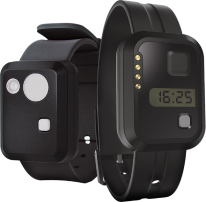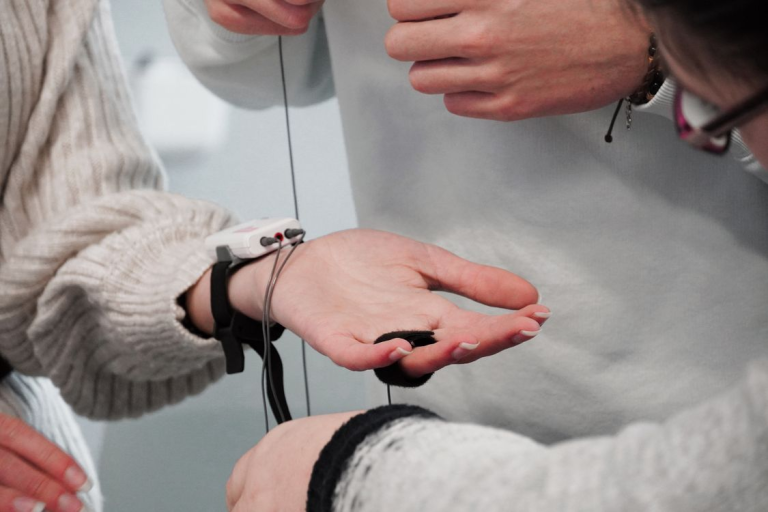


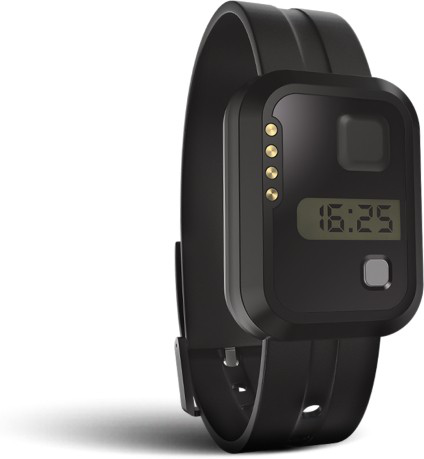
Wearable sleep technologies have moved from experimental tools to widely accepted instruments in clinical research. Actigrafia-based devices, including the Actígrafo, are now routinely used to monitor sleep-wake patterns, circadian rhythms, and treatment responses in both interventional and observational studies. As adoption increases, regulatory scrutiny has intensified. Ensuring compliance with clinical trial standards is no longer optional but a prerequisite for generating credible, publishable, and regulator-ready evidence.
Regulatory Classification of Wearable Sleep Devices
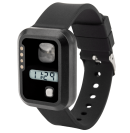
One of the first considerations in clinical trials is how wearable sleep technologies are classified by regulatory authorities. Depending on jurisdiction and intended use, actigraphy devices may be categorized as general wellness tools, medical devices, or investigational devices.
When used to support clinical decision-making or endpoint evaluation, they typically fall under medical device regulations. This classification triggers requirements related to safety, performance validation, and quality management systems. In contrast, devices used purely for exploratory endpoints may face lighter regulatory oversight but still require methodological rigor.
Understanding classification early in study design helps determine approval pathways, documentation requirements, and data acceptance criteria.
Good Clinical Practice and Data Integrity Requirements

Clinical trials involving wearable sleep technologies must adhere to Good Clinical Practice (GCP) guidelines. These principles emphasize data integrity, subject safety, and reproducibility. For actigraphy-based studies, this includes ensuring that devices produce reliable, traceable, and auditable data throughout the study duration.
Data integrity is particularly important when wearable outputs contribute to primary or secondary endpoints. Any gaps, calibration errors, or signal inconsistencies must be documented and addressed through predefined protocols. Regulatory bodies expect clear justification for all data processing steps, including filtering, artifact removal, and imputation methods.
Audit trails are essential. Every modification to raw actigraphy data should be traceable, including timestamps, device identifiers, and processing algorithms used.
Validation and Performance Standards
Regulatory frameworks require that wearable sleep technologies demonstrate validated performance under intended use conditions. This typically involves both laboratory and real-world validation.
Laboratory validation assesses sensor accuracy under controlled conditions, ensuring that accelerometer outputs correspond to known movement intensities. Field validation evaluates performance in naturalistic environments, where variability in user behavior and environmental conditions is high.
For actigraphy systems, validation must extend beyond hardware performance to include algorithmic accuracy. Sleep scoring algorithms should be benchmarked against reference standards such as polysomnography where applicable. Sensitivity, specificity, and agreement metrics are commonly evaluated to demonstrate clinical relevance.
Data Privacy and Security Compliance
Wearable sleep technologies generate continuous physiological and behavioral data, making privacy protection a critical regulatory concern. Clinical trials must comply with applicable data protection frameworks, such as GDPR in Europe or HIPAA in the United States, depending on study location.
Data encryption during transmission and storage is mandatory in most regulated environments. Access control mechanisms must ensure that only authorized personnel can view or modify participant data. Anonymization or pseudonymization strategies are often required before data analysis.
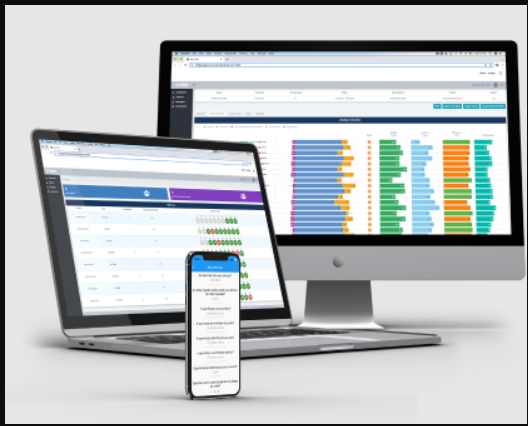
When integrating actigraphy with auxiliary systems such as sleep diaries or cloud-based dashboards, secure interoperability becomes a key design consideration.
Device Calibration and Quality Management Systems
Regulatory compliance also extends to device calibration and quality assurance processes. Wearable sleep devices must maintain consistent performance across study sites and over time. This requires structured calibration protocols, including factory calibration, field validation, and periodic recalibration checks.
Quality management systems (QMS) ensure that manufacturing, software updates, and data processing pipelines follow standardized procedures. These systems are essential for maintaining reproducibility across multicenter trials.
Any firmware updates or algorithm modifications during a study must be carefully controlled and documented, as they may affect data comparability.
Documentation and Regulatory Submission Requirements
Clinical trials involving wearable sleep technologies require extensive documentation. This includes device specifications, validation reports, calibration protocols, and data management plans. Regulatory submissions often demand detailed descriptions of how Actigrafia data is collected, processed, and analyzed.
Transparency in methodological reporting is critical. This includes specifying epoch length, filtering techniques, artifact handling procedures, and imputation strategies where applicable. Inadequate documentation can lead to rejection of study findings or delays in approval processes.
Harmonization across Multicenter Trials
In multicenter clinical studies, regulatory compliance becomes more complex due to variability in device deployment and study execution. Standardization is essential to ensure that data collected across different sites remains comparable.
This includes uniform training for research staff, standardized device usage protocols, and centralized data processing pipelines. Harmonized calibration procedures and synchronized data collection frameworks help reduce inter-site variability.
Regulatory authorities increasingly emphasize the importance of cross-site consistency, particularly when wearable-derived endpoints are used to support clinical claims.
Emerging Regulatory Trends in Wearable Sleep Research
As wearable technologies evolve, regulatory frameworks are also adapting. There is growing recognition of the role of digital biomarkers derived from actigraphy in clinical decision-making. This is leading to more structured guidance on algorithm validation, real-world evidence generation, and software as a medical device (SaMD) classification.
Future regulatory expectations are likely to emphasize transparency in machine learning models, continuous performance monitoring, and post-market surveillance of wearable systems used in clinical research.
Ensure Regulatory-Grade Sleep Data with Condor Instruments’ Clinical Wearable Solutions
Support compliant clinical trial execution with validated Actígrafo devices, integrated light sensor systems, and structured sleep diary integration designed for regulatory-ready sleep data collection. Partner with Condor Instruments to meet global clinical research standards with confidence.