

Clinical sleep research continues to expand beyond traditional laboratory settings. Research teams now conduct multicenter studies across cities, countries, and continents while maintaining rigorous scientific standards. This shift creates exciting opportunities, but it also introduces operational challenges that require careful planning and execution.
Remote sleep monitoring systems now play a central role in decentralized sleep studies. They help physicians, sleep specialists, contract research organizations, and academic researchers collect reliable sleep data without requiring participants to travel to dedicated sleep laboratories. With the right protocol, research teams can streamline recruitment, improve participant retention, monitor compliance in real time, and maintain high-quality datasets throughout every study phase.
Success, however, depends on much more than mailing devices to participants. Researchers must create standardized workflows for participant onboarding, remote device deployment, technical support, compliance monitoring, and quality assurance. Every stage influences study outcomes, regulatory readiness, and overall research efficiency.
This guide explores how organizations can design scalable decentralized sleep research protocols while preserving data integrity across geographically distributed participants.
Why Decentralized Sleep Research Continues to Grow
Traditional sleep studies often require participants to visit research facilities multiple times. Travel requirements, scheduling conflicts, geographic limitations, and participant burden frequently reduce enrollment and increase dropout rates.
Decentralized research addresses these barriers by allowing participants to complete study activities from home. This approach expands access to more diverse patient populations while reducing logistical complexity for investigators.
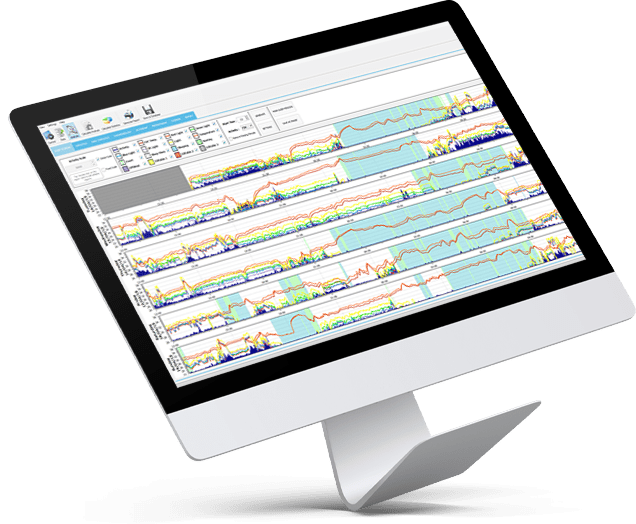
Modern remote sleep monitoring systems support this transition by combining wearable technology, secure cloud platforms, and centralized oversight. Research teams gain continuous visibility into study progress while participants follow familiar daily routines that often produce more representative sleep behavior.
For large multicenter trials, decentralized monitoring also enables faster enrollment across wider geographic regions without expanding physical research infrastructure.
Build Standardized Participant Onboarding
Every successful decentralized protocol begins with consistent participant onboarding.
Research coordinators should create standardized digital workflows that explain study expectations, device handling, troubleshooting procedures, and communication channels. Clear educational materials reduce user errors before data collection begins.
Effective onboarding typically includes:
- Digital informed consent
- Virtual training sessions
- Device setup demonstrations
- Written operating instructions
- Frequently Asked Question
- Technical support contacts
- Study timeline overview
Researchers should also verify participant understanding before initiating data collection. Simple competency checks help confirm that participants can operate study equipment correctly.
Standardized onboarding improves protocol adherence while reducing avoidable support requests throughout the study.
Simplify Remote Device Deployment
Device logistics often determine whether decentralized studies operate efficiently. Research teams should package equipment with clear labeling, easy return instructions, and protective shipping materials. Every shipment should include all required accessories to eliminate unnecessary delays.
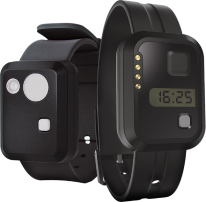
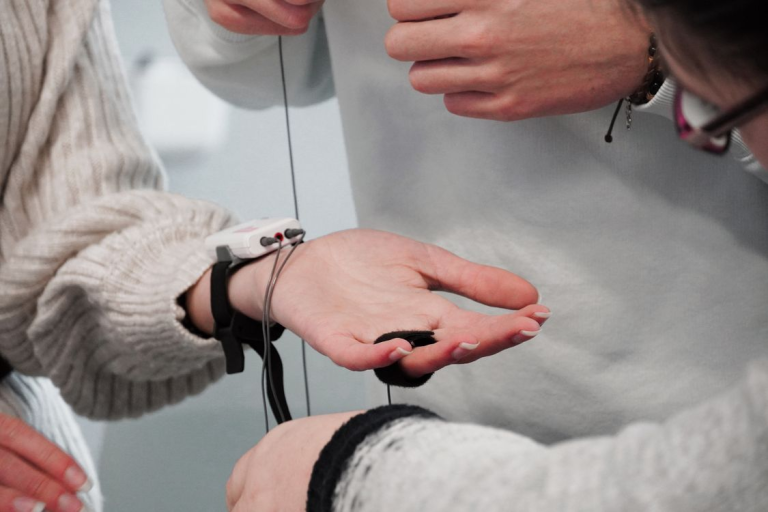
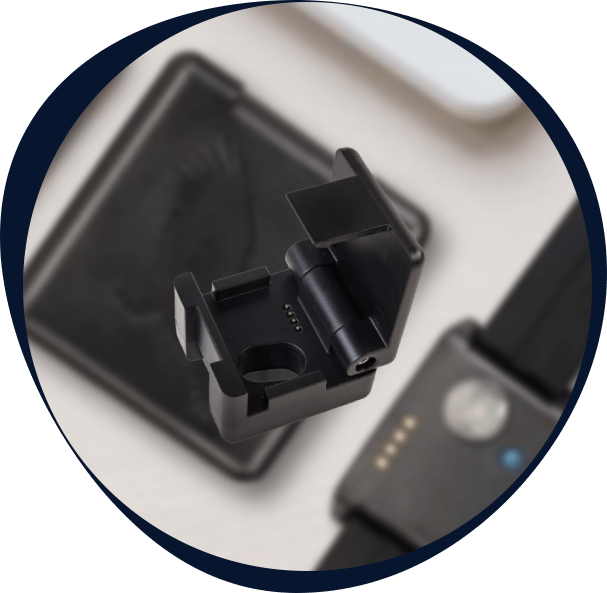
Many decentralized protocols rely on Actigrafia monitoring devices because they provide objective measurements of rest-activity patterns over extended monitoring periods. Investigators should select reliable actigraphy devices that support long battery life, straightforward operation, and secure data management.
When selecting an actigraph device for sleep research, researchers should prioritize consistent data capture, participant comfort, and seamless integration into centralized research platforms.
Researchers should also recognize an important limitation. Actigraphy cannot monitor REM sleep. Instead, it estimates sleep and wake patterns based primarily on movement and, in some devices, environmental light exposure through a Light Sensor. Clinical protocols should interpret actigraphy within its intended scope rather than treating it as a substitute for polysomnography.
Careful deployment planning minimizes shipping delays, reduces participant confusion, and keeps study timelines on schedule.
Combine Objective and Subjective Sleep Measurements
Objective monitoring provides valuable physiological insights, but subjective reporting adds important clinical context.
Many decentralized studies therefore combine Actigraphy with a digital sleep diary. Daily participant entries help researchers document bedtime, wake time, perceived sleep quality, medication use, unusual events, and protocol deviations.
A well-designed sleep diary for research strengthens data interpretation by identifying behavioral factors that wearable measurements alone cannot explain.
Investigators should encourage participants to complete diary entries every morning while memories remain fresh. Automated reminders significantly improve completion rates and reduce missing data.
When researchers integrate objective activity measurements with consistent participant reporting, they create richer datasets that support stronger scientific conclusions.
Monitor Compliance in Real Time
Participant compliance directly affects data quality. Delayed identification of noncompliance can leave researchers with unusable datasets that require expensive repeat monitoring.
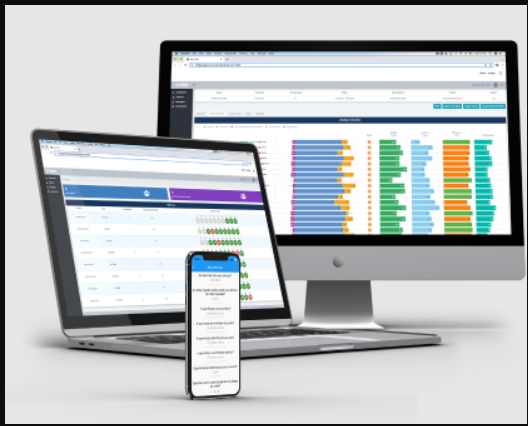
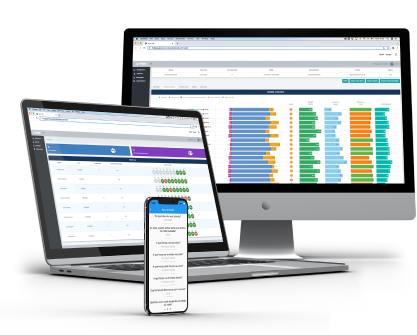
Modern remote sleep monitoring systems allow study coordinators to monitor participant progress throughout the study rather than waiting until device return.
Real-time dashboards help research teams identify:
- Missing recordings
- Low device wear time
- Battery issues
- Synchronization failures
- Missed diary entries
- Communication gaps
Early intervention allows coordinators to resolve issues before significant data loss occurs. Automated notifications also encourage participants to maintain protocol adherence without increasing coordinator workload.
Create Consistent Communication Workflows
Frequent communication improves participant engagement throughout decentralized research.
Researchers should establish scheduled touchpoints instead of waiting for participants to report problems independently.
Effective communication strategies include:
- Scheduled follow-up calls
- Secure messaging platforms
- Automated Reminders
- Weekly progress updates
- Technical assistance availability
Consistent communication reinforces study expectations while building participant confidence.
Research teams also gain opportunities to identify emerging issues before they affect study outcomes.
Maintain High Data Quality Across Multiple Locations
Geographic expansion should never compromise scientific quality. Every decentralized protocol requires predefined quality assurance procedures that maintain consistency across all participants and study sites.
Researchers should establish standardized rules for:
- Device calibration
- Shipping verification
- Data Synchronization
- File validation
- Missing data review
- Protocol deviation documentation
- Investigator oversight
Quality control should occur continuously rather than only after study completion.
Centralized review allows researchers to identify trends that might indicate systematic operational issues before they influence final analyses.

Standardize Data Management Infrastructure
Large decentralized studies generate enormous volumes of information.
Centralized platforms help research teams organize participant data while maintaining security, version control, and audit readiness.
An effective research platform should support:
- Secure cloud storage
- Automated Data Uploads
- Participant tracking
- Device inventory management
- Compliance dashboards
- Audit documentation
- Exportable research datasets
Integrated data management reduces manual processing while improving operational efficiency.
Researchers also spend less time resolving administrative challenges and more time interpreting study results.
Address Technical Support Before Problems Escalate
Technical challenges remain unavoidable in remote research.
Successful protocols prepare participants before issues occur instead of reacting after data collection fails.
Support teams should develop standardized troubleshooting guides covering:
- Device charging
- Wear instructions
- Connectivity problems
- Data Synchronization
- Shipping concerns
- Lost equipment
- Frequently reported participant questions
Rapid response minimizes interruptions and protects valuable research data.
Researchers should also document recurring technical issues to improve future protocol design.
Expand Research Without Sacrificing Consistency
One major advantage of decentralized research involves scalability. Organizations can expand participant enrollment across multiple regions without constructing additional sleep laboratories or increasing onsite staffing requirements. Scalable remote sleep monitoring systems allow centralized oversight regardless of participant location. However, scalability requires strict operational standardization.
Every participant should receive identical onboarding, identical instructions, identical monitoring schedules, and identical quality assurance procedures. Consistency strengthens statistical reliability while reducing unnecessary variability between study populations.
Future Directions for Decentralized Sleep Research
Decentralized research will continue expanding as healthcare organizations pursue broader patient recruitment and more representative real-world data.
Future innovations will likely improve device connectivity, automated quality control, cloud-based analytics, and investigator oversight. These advances will further strengthen collaboration between physicians, sleep specialists, research institutions, and contract research organizations.
Even as technology evolves, successful decentralized protocols will continue to rely on thoughtful study design, standardized workflows, participant engagement, and rigorous quality assurance.

Frequently Asked Question
1. What are remote sleep monitoring systems?
Remote sleep monitoring systems enable researchers to collect sleep-related data from participants outside traditional sleep laboratories through connected wearable devices, centralized monitoring platforms, and digital reporting tools.
2. Why do decentralized sleep studies use Actigraphy?
Actigraphy allows researchers to monitor rest-activity patterns over extended periods in participants’ normal environments. It supports large-scale sleep research while reducing participant burden. However, Actigraphy does not measure REM sleep.
3. Why should researchers combine Actigraphy with a Sleep Diary?
A Sleep Diary adds subjective information such as bedtime, wake time, medication use, and perceived sleep quality. Combining objective Actigraphy data with participant-reported information improves data interpretation and overall research quality.
4. How can researchers maintain data quality in decentralized sleep studies?
Researchers maintain high data quality through standardized onboarding, reliable device deployment, real-time compliance monitoring, centralized data management, routine quality assurance reviews, and consistent participant communication.
Advance Your Sleep Research with Condor Instruments
Em Condor Instruments, we understand the operational demands of modern decentralized sleep research. We develop solutions that support scalable remote sleep monitoring systems while helping physicians, sleep specialists, clinical researchers, and research organizations collect reliable sleep data with confidence.
Our portfolio includes advanced actigraphy monitoring devices, dependable actigraphy devices, and an actigraph device for sleep research designed for clinical and research environments. We also support comprehensive workflows through tools that integrate with a digital sleep diary and sleep diary for research, helping research teams improve participant compliance and data quality.
With Philips Actigraph products no longer available worldwide, we provide an excellent alternative for organizations seeking dependable Actigraph and Actigraphy solutions for current and future sleep research initiatives. We remain committed to supporting high-quality clinical research through reliable technology built for demanding research environments. Contato Agora.