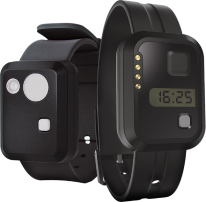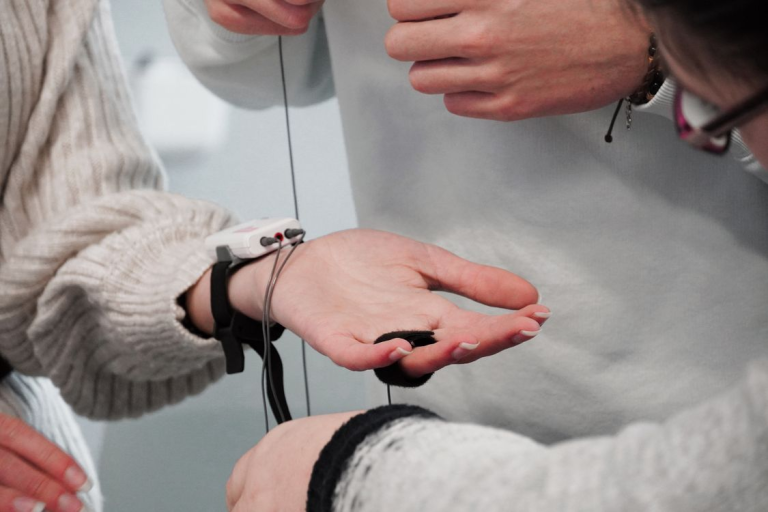



Wearable devices play a key role in pesquisa do sono by tracking movement patterns and sleep cycles. Actigrafia, which measures activity levels to estimate sleep, is widely used in clinical and research settings. However, sleep deprivation can impact movement tracking, leading to less accurate data and misinterpretations of sleep quality.
Increased Movement During Sleep
When you don’t get enough sleep, your body experiences more frequent and exaggerated movements during rest. Sleep deprivation disrupts normal sleep cycles, increasing the likelihood of tossing and turning. This heightened activity can cause actigraphy devices to overestimate wakefulness, making it seem like you were awake more often than you actually were.
This issue is particularly concerning in research studies that rely on actigraphy to monitor sleep disorders. If movement tracking suggests a person is waking up frequently when they are not, it could lead to inaccurate diagnoses or ineffective treatment plans. For example, an individual with insomnia might appear to have a more severe sleep disruption than they actually do, altering the course of their treatment.
Reduced Sleep Efficiency Measurements
Sleep efficiency refers to the percentage of time you spend asleep while in bed. Actigraphy uses movement data to determine sleep onset and wake times. When you are sleep-deprived, you may experience fragmented sleep, leading to brief awakenings that you don’t even remember.
Actigraphy might register these small movements as wake periods, lowering your sleep efficiency score. This can be misleading for researchers or clinicians analyzing sleep data, as it may suggest a chronic sleep issue rather than a temporary response to lack of rest. This is why long-term sleep monitoring is essential—one night of poor sleep shouldn’t define overall sleep health.
Misclassification of Sleep Stages
Although actigraphy cannot directly measure sleep stages like polysomnography, it estimates deep and light sleep based on movement data. Sleep deprivation affects the way your body cycles through these stages, often reducing the amount of deep sleep and increasing time spent in light sleep.
Because actigraphy relies on movement to gauge sleep quality, this shift in sleep architecture can lead to misclassification. A sleep-deprived person might appear to have a normal sleep duration but actually spend most of the night in lighter sleep stages, which are less restorative. This can affect research on sleep quality, especially in studies focused on recovery and cognitive function.

Consistency in Sleep Monitoring for Reliable Data With Actigraphy Devices
For movement tracking in sleep research to be reliable, sleep patterns must be observed over extended periods. A single night of sleep deprivation can distort results, but tracking long-term trends with an Actígrafo ensures a more accurate understanding of sleep health.
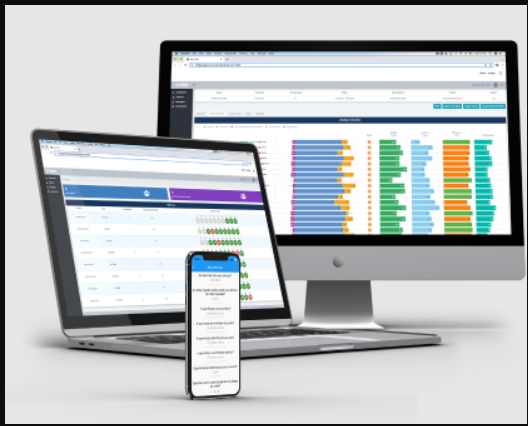
Actigrafia devices like those from Condor Instruments are designed for precise sleep monitoring, providing valuable data for researchers and clinicians. With advanced sensors and high reliability, these devices help improve sleep analysis even when external factors like sleep deprivation impact results.
Contact us to learn more.