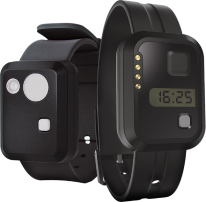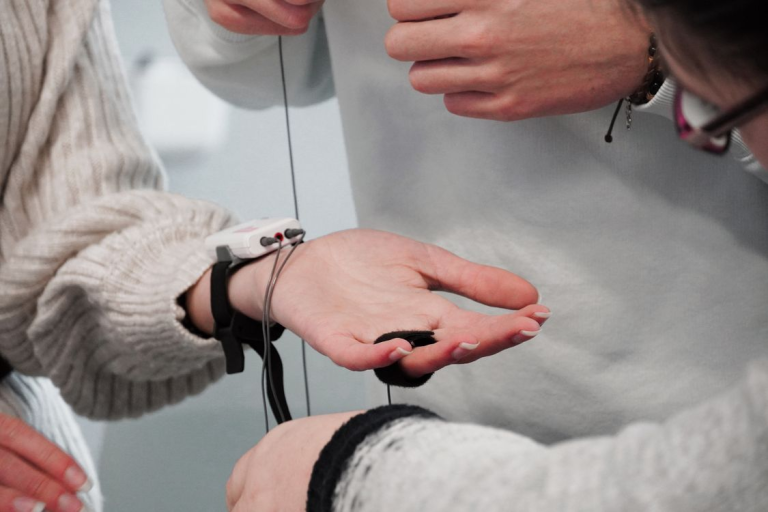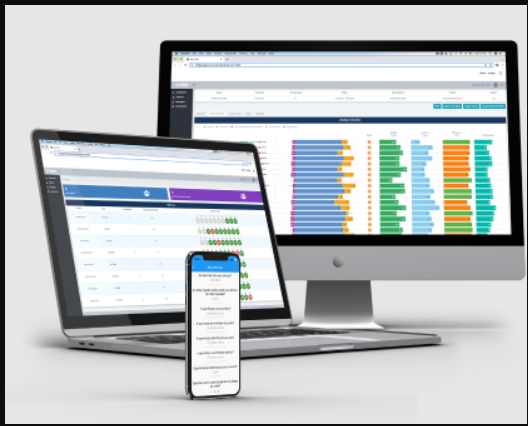


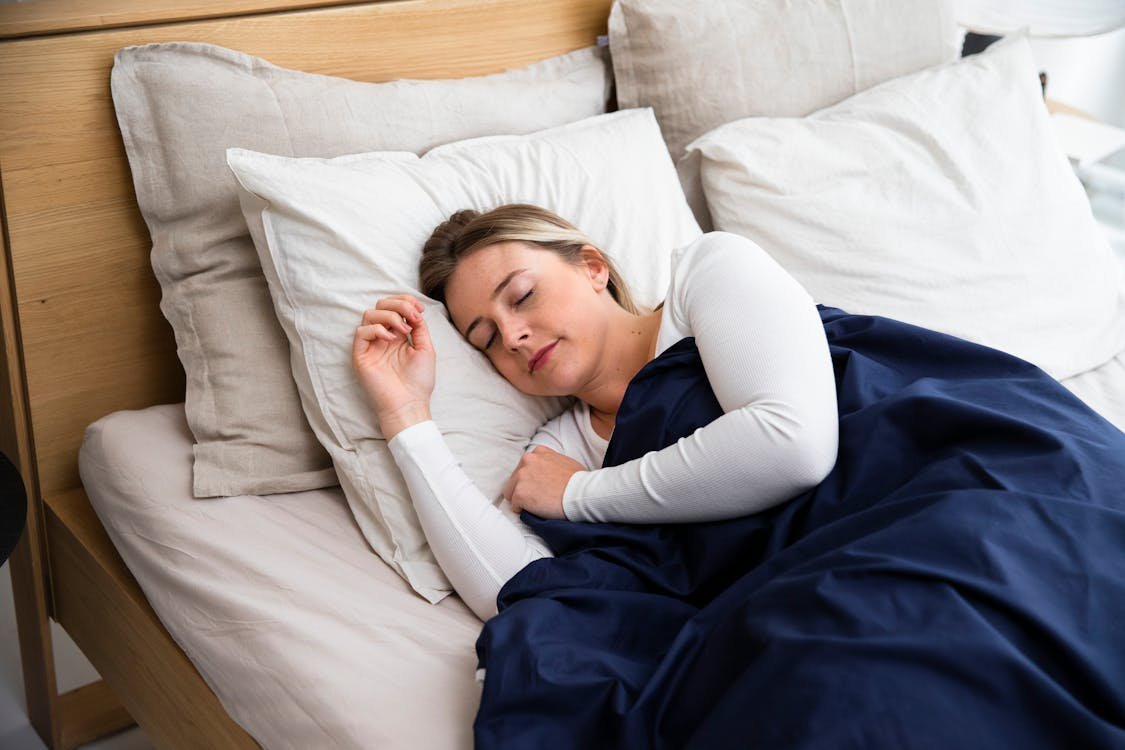
Sleep is more than just rest—it’s a reflection of how we live. For years, scientists relied on sleep diaries and short-term lab tests to understand rest patterns. But these methods often missed the nuances of real life. That’s where actigraphy comes in. By tracking motion over days or weeks using a simple wrist-worn device, actigraphy paints a fuller picture of how our bodies move between wakefulness and sleep—and how work, habits, and culture shape those rhythms.
Capturing Real-World Patterns
Unlike one-night sleep studies in clinical labs, actigraphy captures data over extended periods in real-world environments. This continuous, unobtrusive monitoring reveals patterns that traditional tests often miss. For example, actigraphy shows how sleep varies between workdays and weekends, or how certain professions (like shift workers or healthcare providers) experience disrupted circadian rhythms.
More importantly, actigraphy allows researchers to quantify behavioral phenomena such as:
- Jet lag social (the discrepancy between biological sleep needs and social obligations)
- fragmentação do sono from nighttime disturbances
- Variability in bedtime routines
- Effects of light exposure and physical activity on sleep timing
These insights help link daily behaviors with overall sleep health.
Sleep, Lifestyle, and Culture
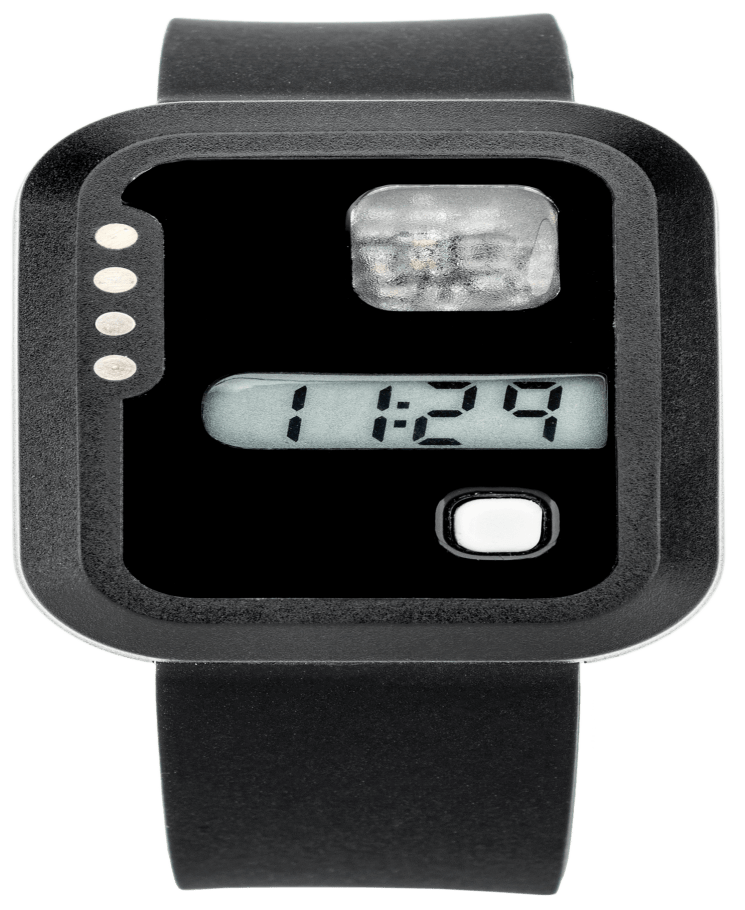
Actigraphy data has revealed fascinating sleep trends across different populations and lifestyles. For instance, long-term tracking shows that teenagers often go to bed later and wake up later—biologically natural, but often at odds with school schedules. Similarly, actigraphy has shown that people living in urban areas with artificial lighting tend to have shorter sleep durations than those in rural areas.
By uncovering these “hidden rhythms,” actigraphy gives scientists a clearer understanding of how our environments and routines influence not just when we sleep—but how well we sleep.
From Research to Personal Insight
Actigraphy is no longer just a research tool. With the rise of wearable technology, consumer-grade actigraphy devices have brought these insights into people’s homes. Individuals can now view their own sleep-wake patterns, compare data across days, and adjust their routines for better rest.
This self-awareness often leads to healthier habits. Users start noticing how late-night screen time, caffeine intake, or inconsistent sleep schedules affect their quality of rest—insights that wouldn’t be obvious without long-term tracking.
A Window Into Everyday Physiology
What makes actigraphy unique is its ability to reflect the natural flow of life. Our movements during the day and rest at night follow a rhythm influenced by biology, environment, and society. Actigraphy helps us observe and understand these patterns, offering a bridge between lifestyle and science.
Conclusão
The rhythms of our sleep are deeply connected to the rhythms of our lives. With Actígrafoy, we can finally observe those patterns with clarity, depth, and continuity. Whether in clinical research or personal wellness, this powerful tool is reshaping how we understand and improve sleep—one motion at a time.
Enhance Your Sleep Research with Condor Instruments
Unlock detailed, real-world sleep insights using Condor Instruments’ advanced Actigrafia watches. Trusted by researchers worldwide, our tools deliver precision, reliability, and scalability for modern sleep science. Start your study today.