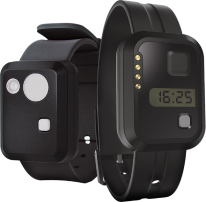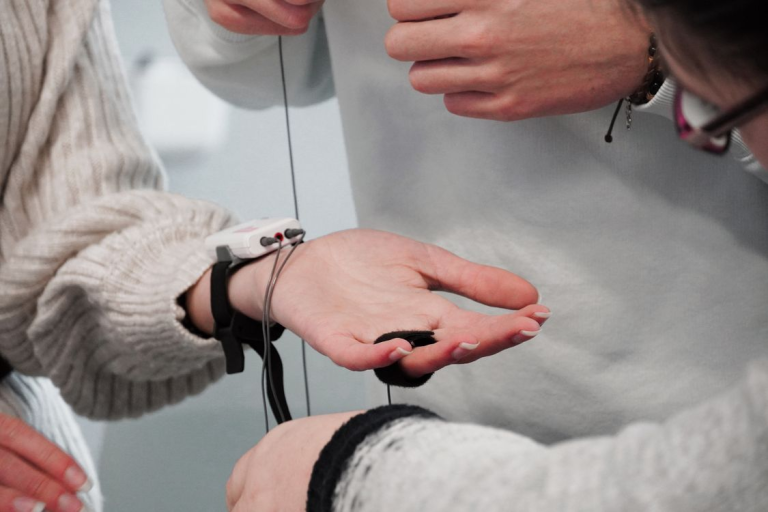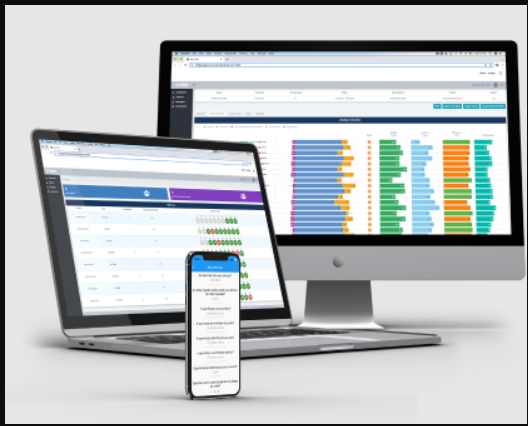


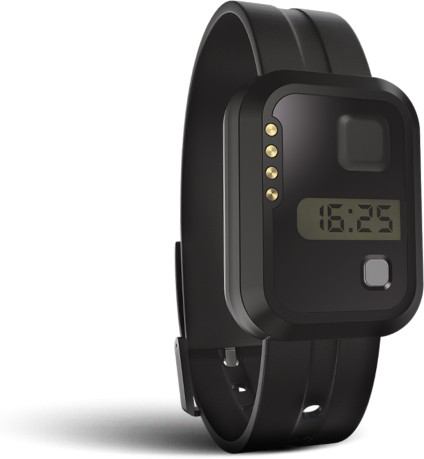
Modern sleep studies depend on precise timing. Researchers often combine an actigraphy device for sleep research with polysomnography systems, respiratory sensors, a wearable light sensor, and digital sleep diary tools. Every device records data independently, which creates timing inconsistencies if researchers fail to synchronize clocks properly.
Actigraphy time synchronization aligns timestamps across devices so researchers can interpret sleep and circadian data accurately. Even small timing offsets can distort study findings, especially in longitudinal or multi-sensor research.
For example, a mismatch between activity data and light exposure records may shift circadian phase interpretation. Inaccurate alignment can also complicate comparisons between physiological events and participant-reported sleep patterns.
As sleep research grows more data-driven, synchronization now plays a critical role in study quality, reproducibility, and clinical reliability.
What Causes Timestamp Misalignment?
Several factors disrupt synchronization during sleep studies.

1. Clock Drift
Every monitoring device uses an internal clock. Over time, those clocks drift apart naturally. During multi-day recordings, small deviations become significant timing errors.
2. Inconsistent Device Setup
Research staff may activate devices at different times during participant preparation. Even minor delays can create alignment problems later during analysis.
3. Firmware Differences
Different manufacturers use different timestamp structures and synchronization methods. Some devices update time automatically, while others rely on manual calibration.
4. Participant Interruption
Participants sometimes remove or restart devices during home monitoring. Those interruptions create gaps that complicate data harmonization.
5. Time Zone Errors
Multi-center studies often encounter daylight saving or time zone inconsistencies. Incorrect adjustments can shift entire datasets.
These challenges affect both clinical studies and actigraphy comparison projects involving multiple device platforms.
Methods That Improve Actigraphy Time Synchronization
Researchers use several proven strategies to improve synchronization accuracy across systems.
Use Centralized Time Sources
Many laboratories synchronize systems through a Network Time Protocol server before deployment. This process ensures that all connected devices reference the same clock. This approach works particularly well in controlled laboratory settings.
Synchronize Devices Before Every Study
Research teams should calibrate all actigraphy monitoring devices immediately before participant setup.
Effective preparation includes:
- Verifying timestamps manually
- Recording calibration times
- Following standardized setup procedures
- Confirming time zone settings
Consistent workflows reduce preventable synchronization errors.
Create Synchronization Markers
Researchers often introduce identifiable events at the beginning of recordings to support post-processing alignment.
Common markers include:
- Simultaneous device tapping
- Standardized movement tasks
- Controlled light exposure events
- Manual timestamp annotations
These markers help researchers align datasets more efficiently during analysis.
Align Wearable Light Sensor Data Carefully
A wearable light sensor provides valuable circadian information, but inaccurate timing reduces analytical value. Researchers must confirm that light exposure data align correctly with activity records and sleep diary entries.
Precise alignment improves circadian rhythm interpretation and strengthens environmental exposure analysis.
Perform Drift Correction During Analysis
Advanced software platforms can detect gradual drift and correct timestamps automatically. Researchers should still inspect alignment manually during long-duration studies. Routine correction improves temporal consistency and reduces analytical bias.
Why Synchronization Directly Affects Research Quality
Synchronization problems influence more than technical accuracy. They also affect clinical interpretation and study reliability.
Researchers often analyze relationships between:
- Activity Levels
- Environmental light exposure
- Reported sleep timing
- Circadian phase markers
- Behavioral sleep patterns
Poor alignment can create false correlations or conceal clinically relevant findings.
For instance, researchers may compare melatonin timing against data collected from an actigraphy watch. If timestamps drift apart, investigators may misinterpret circadian adaptation patterns.
Similarly, synchronization errors can weaken actigraphy comparison studies between different manufacturers or sensor technologies. Reliable synchronization creates fairer performance evaluations and more trustworthy conclusions.
Strong temporal alignment also supports reproducibility across multi-center research collaborations.
Best Practices for Sleep Research Teams
Clinical sleep researchers can improve synchronization reliability through structured operational practices.
Standardize Deployment Protocols
Every technician should follow identical synchronization procedures during setup and retrieval.
Audit Timestamps Regularly
Research teams should inspect timestamp alignment before beginning final analysis. Early detection prevents extensive corrections later.
Train Staff Consistently
Many synchronization problems originate during participant preparation. Strong technician training reduces operational variability.
Document Every Synchronization Step
Study protocols should include:
- Calibration procedures
- Timestamp verification methods
- Drift correction processes
- Device initialization records
Clear documentation improves consistency across research sites.
Use Clinically Focused Systems
Consumer-oriented devices often prioritize convenience instead of synchronization precision. Clinical researchers benefit from systems designed specifically for structured sleep and circadian research.
Why Researchers Choose Condor Instruments
Em Condor Instruments, we support physicians, sleep specialists, and clinical researchers who require dependable actigraphy time synchronization across complex study environments.
Nosso actigraphy monitoring devices help research teams manage synchronized data collection with greater consistency and efficiency. We also support studies that integrate wearable light sensor technology for advanced circadian analysis.
Our solutions help researchers continue high-quality sleep and circadian studies without compromising data integrity.
Whether your team conducts longitudinal sleep monitoring, circadian rhythm research, or large-scale actigraphy comparison studies, we provide clinically focused tools designed for reliable research performance. Connect with us now.