

The rise of at-home sleep research has transformed the way clinicians and researchers study sleep behavior. Wearable devices such as actigraphs provide objective, continuous monitoring of activity, rest patterns, and circadian rhythms without requiring participants to spend extended periods in a lab. However, the accuracy and reliability of at-home studies depend heavily on participant compliance and proper device use. Remote training is therefore essential to minimize errors, ensure valid data, and maintain participant engagement.
Why Remote Training Matters
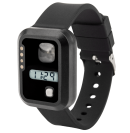
At-home wearable sleep studies rely on participants to correctly wear and operate devices over several days or weeks. Errors such as improper placement, intermittent wear, or failing to synchronize the device with a sleep diary can compromise data integrity. Remote training provides participants with the knowledge, guidance, and confidence to follow study protocols, reducing variability and enhancing data quality.
Moreover, remote training offers practical advantages, including reduced travel burden, greater accessibility for diverse populations, and the ability to scale large longitudinal studies. By emphasizing clarity and simplicity in instructions, researchers can prevent common mistakes that impact study outcomes.
Core Components of Effective Remote Training
Effective remote training should combine instructional clarity, interactive engagement, and continuous support. Key components include:
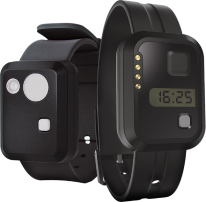
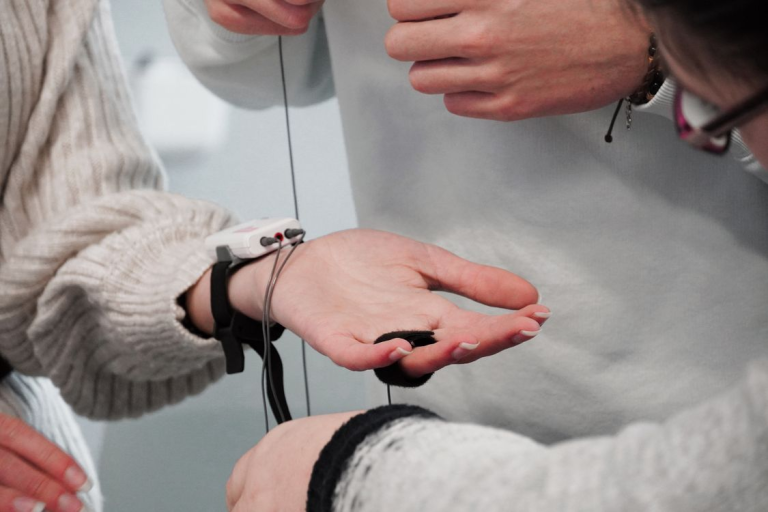
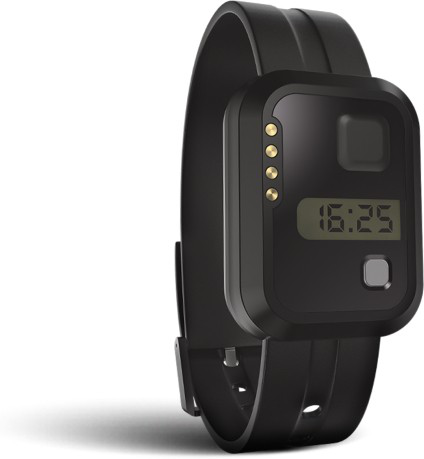
- Device Orientation: Demonstrate proper placement, charging procedures, and syncing instructions. Participants must understand when and how to wear the device, particularly during sleep periods.
- Sleep Diary Integration: Explain how to record bedtimes, wake times, and other contextual information digitally or on paper. Clarify how diaries complement actigraphy or wearable data to enhance accuracy.
- Demonstration Videos and Visual Guides: Visual aids are highly effective in remote training. Step-by-step videos or illustrated instructions reduce confusion and ensure participants correctly follow protocols.
- Interactive Q&A Sessions: Real-time virtual meetings allow participants to ask questions and clarify doubts. These sessions can prevent missteps that automated instructions alone cannot address.
Minimizing Non-Wear and Misuse
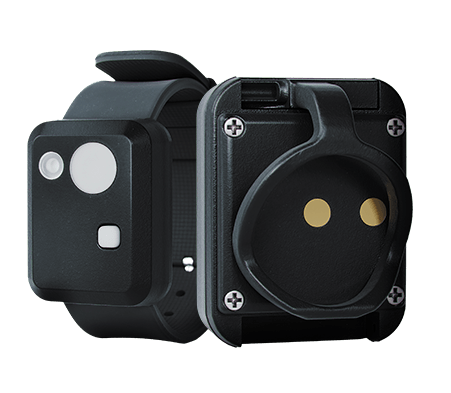
Non-wear periods and improper use are major sources of error in at-home studies. Remote training should explicitly cover strategies to minimize these issues:
- Encourage consistent device wear and explain the importance of continuous data collection.
- Provide troubleshooting tips for common problems such as device removal for bathing or charging.
- Reinforce the correct position of the wearable to ensure accurate actigraphy readings.
- Offer reminders or prompts via app notifications or email to maintain compliance.
Multi-sensor devices with sensores de luz and activity detection can flag potential non-wear intervals, but training participants to prevent these occurrences remains the most reliable solution.
Integrating Sleep Diaries and Questionnaires
At-home studies often combine wearable data with sleep diaries and questionnaires to capture subjective experiences, behavioral context, and psychological factors. Remote training should ensure participants understand:
- How and when to complete sleep diaries each day
- How questionnaires such as the Pittsburgh Sleep Quality Index (PSQI) or Epworth Sleepiness Scale (ESS) relate to wearable data
- The importance of timely and accurate self-reporting for correlating objective and subjective sleep measures
By emphasizing the complementary nature of these data streams, participants are more likely to provide complete, high-quality datasets.
Leveraging Technology for Remote Support
Digital platforms can enhance remote training and ongoing participant support. Features may include:
- Video tutorials and interactive guides embedded in mobile apps
- Automated reminders for device wear, sleep diary completion, and questionnaire submission
- Secure messaging channels for participants to report technical issues or ask questions
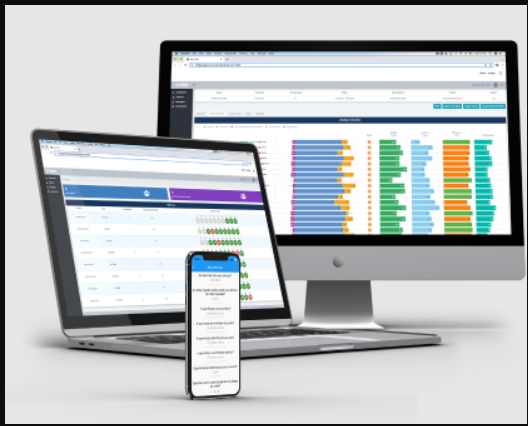
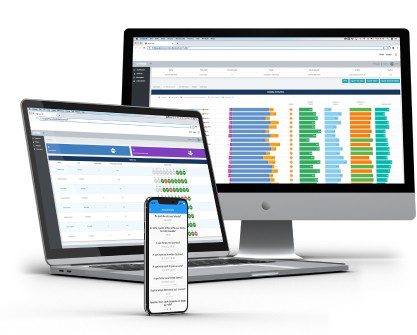
- Remote monitoring dashboards for researchers to track compliance and identify potential data gaps
These technologies reduce the burden on participants while providing researchers with tools to maintain high data quality across decentralized studies.
Data Quality and Validation
Even with remote training, data must be carefully monitored and validated. Researchers should implement strategies such as:
- Cross-referencing actigraphy and diary entries to detect inconsistencies or non-wear periods
- Applying non-wear detection algorithms to flag suspicious intervals
- Regularly reviewing datasets to identify patterns of missing or inaccurate data
Documenting training procedures, participant communications, and data validation methods ensures reproducibility and regulatory compliance.
Ethical and Privacy Considerations
At-home wearable studies involve collecting sensitive personal and behavioral data. Remote training should emphasize:
- Proper handling of devices and data security
- How participant data will be stored, anonymized, and shared
- Informed consent procedures, including participant rights and withdrawal options
Clear communication of privacy measures fosters trust and encourages participant engagement.
Challenges and Future Directions
Remote training presents challenges such as technological literacy, participant motivation, and limited direct oversight. Solutions include:
- Tailoring training materials to the participant population
- Providing technical support and easy-to-use devices
- Using gamification or incentive strategies to encourage adherence
Future directions may include real-time feedback systems where wearables detect potential errors and notify participants immediately, further improving compliance and data integrity.
Conclusão
Training participants remotely is a cornerstone of reliable at-home wearable sleep studies. By combining clear instructions, interactive guidance, integration with sleep diaries and questionnaires, and technology-assisted support, researchers can minimize errors, maintain high-quality datasets, and ensure robust, actionable insights. Proper remote training enhances participant experience, reduces variability, and strengthens the overall integrity of sleep research.

Enhance At-Home Sleep Studies with Condor Instruments’ Wearable Solutions
Train participants effectively with Actígrafo devices, integrated sensores de luz, and digital sleep diaries for accurate, reliable at-home monitoring. Optimize your study outcomes today. Contate-nos today to learn more about our wearable devices.