

Circadian health research has moved decisively into the real world. Where laboratory chronobiology once required controlled environments and fixed equipment, the current generation of actigraphy watches makes it possible to capture the physiological and environmental data that drives circadian analysis across a participant’s natural daily life, continuously and at scale.
At the center of this shift is sensor fusion: the combination of multiple data streams, motion, light exposure, skin temperature, heart rate, and self-reported behavioral data, into a single coherent picture of a participant’s circadian environment and biological response to it.
What Sensor Fusion Adds to Circadian Research
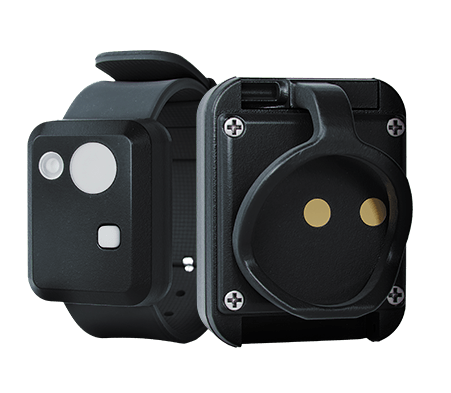
Single-sensor approaches have well-documented limitations in circadian research. Motion data from an actigraph device for sleep research provides reliable sleep-wake timing estimates but cannot distinguish the light environment driving the underlying circadian process. Light-only sensors capture environmental input but miss the behavioral response. Physiological sensors record internal state without the contextual data needed to interpret it.
Wearable technologies used in sleep research, circadian medicine, and chronomedicine emphasize actigraphy as a validated tool for monitoring sleep, activity, and light exposure simultaneously, with various mathematical methods used to analyze actigraphic data including parametric, non-parametric, linear, non-linear, and neural network-based approaches to quantify circadian and non-circadian variability.
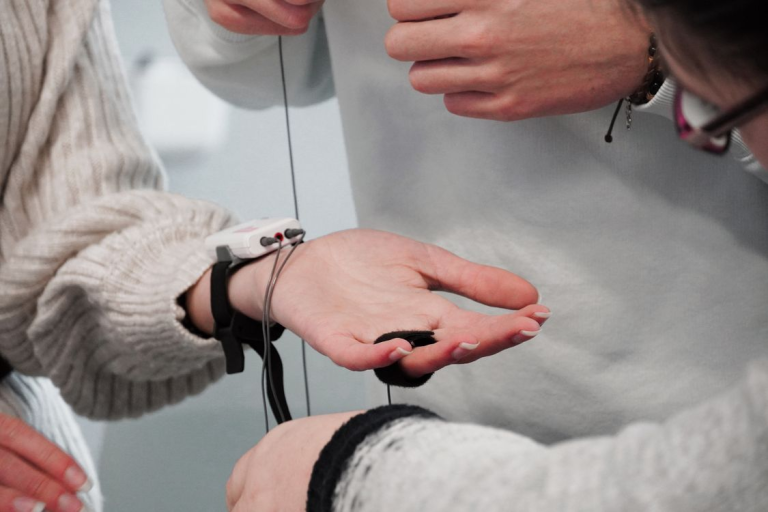
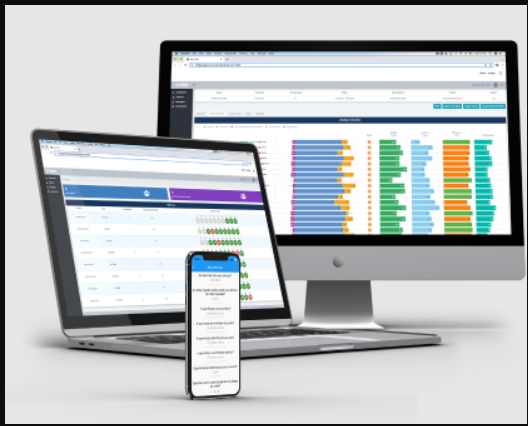
When a wearable actigraphy light sensor captures movement and light data concurrently, and that data is paired with physiological streams and a digital sleep diary, researchers gain the ability to examine not just what happened during a participant’s sleep window, but what environmental and behavioral inputs preceded it, and how those inputs correlate with biological outcomes.
The Melanopic Dimension
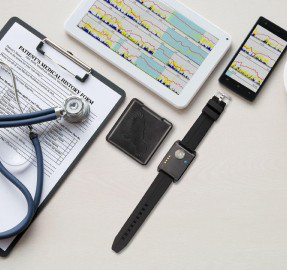
Not all light data is equally useful for circadian research. The relevant variable is not photopic illuminance but the melanopic component of light exposure, the spectrum most effective at suppressing melatonin and driving circadian entrainment through the intrinsically photosensitive retinal ganglion cells.
New monitoring devices developed to measure individual light exposure and improve light dose analysis on circadian rhythms include wearable sensors designed for real-world conditions, and these wearables, when used alongside other measurement tools and standardized protocols, offer a comprehensive means to study light exposure across the full complexity of daily life.
A Melanopic EDI sensor captures the biologically weighted light exposure that photopic lux measurements systematically underestimate at the spectral compositions common in modern LED and screen-dominated environments. When integrated with motion and physiological data in a fused sensor approach, melanopic EDI data enables researchers to model the actual entraining light dose a participant is receiving, not simply the brightness of their environment.
Study Design Implications
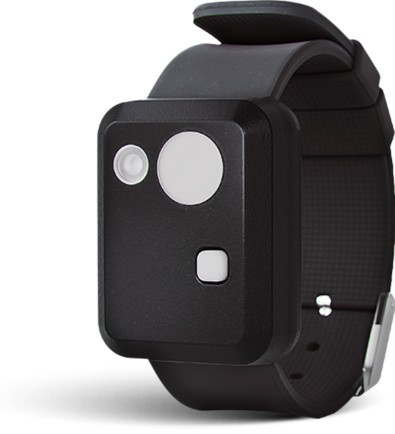
The practical implications of sensor fusion for circadian study design are substantial. Studies that rely on a single data stream must make assumptions about unmeasured variables that fused approaches can test directly. A participant whose actigraphy data shows fragmented sleep timing may be responding to irregular light exposure, shift work, social jetlag, or individual chronotype differences. Only a fused dataset that includes concurrent melanopic light logging, temperature data, and structured self-report through a digital sleep diary can begin to distinguish between these competing explanations.
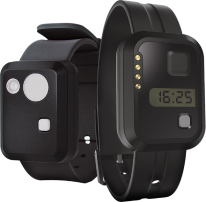
Traditional research and clinical devices represented by actigraphy mainly use a 3-axis accelerometer sensor, and sometimes include sensors for light exposure and skin temperature measurement, with these devices distinguished from consumer-grade alternatives by the absence of feedback to users, preserving behavioral validity in observational studies.
This distinction matters for study design: actigraphy monitoring devices and actigraph watches used in research contexts are configured to observe without intervening, which consumer wellness devices are not designed to do.
Researchers designing longitudinal circadian studies are increasingly combining Actiwatch class devices with concurrent environmental logging to build the layered datasets that · Circadian Medicine now requires. The National Institute of General Medical Sciences identifies disrupção circadiana as a factor in metabolic, cardiovascular, and psychiatric health outcomes, reinforcing the importance of measurement precision in studies designed to quantify those relationships. Standardized melanopic measurement protocols published in peer-reviewed literature provide the methodological foundation for consistent data collection across multi-site studies. The growing body of wearable circadian research confirms that fused sensor approaches consistently outperform single-modality designs in capturing the complexity of real-world circadian entrainment.
Buy Research-Grade Wearable Devices from Condor Instruments
Condor Instruments provides actigraphy watches, Melanopic EDI loggers, and Melanopic EDI Sensors designed for circadian health research requiring concurrent motion and light data capture in real-world participant environments. Entre em contato com a Condor Instruments to discuss device configuration, study protocol support, and availability of actigraphy monitoring devices suited to your research design.