

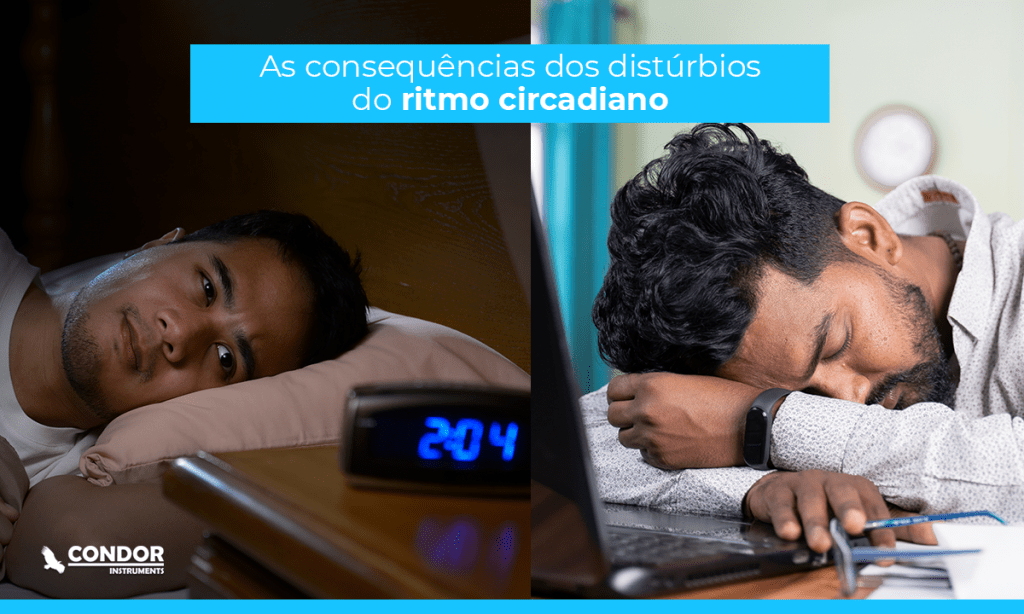
Sleep restriction or deprivation, the regular change from day to night, severe insomnia, irregular meal times and time zone changes are among the events that mess with our so-called biological clock, with direct consequences for our behavior throughout the day.
This dysregulation can cause symptoms such as excessive tiredness, loss of concentration, headaches, irritability, stress and insomnia – just to name a few – and can even culminate in very serious illnesses such as heart disease and cancer. These are circadian rhythm disordersThese can be severe and do a lot of harm to our health.
In this article, we’ll mention some of the consequences of circadian rhythm disorders. This is a serious and relevant issue that deserves your full attention, and seeking medical help if these disorders are robbing you of quality of life.
What is circadian rhythm?
Also known as circadian cycle, o circadian rhythm is nothing more than the 24-hour period on which a biological cycle is based. A series of events in our body are linked to this period, receiving external influences and their consequences. A good example of this – the most classic of them – is our need to sleep at night, when it’s dark, and stay awake during the day, when it’s light.
To understand well and very easily what is circadian rhythmIn this context, we need to highlight the concept of the word “rhythm”, which is, according to the Oxford Dictionary, “regular and periodic movement in the course of any process”. Well, as we’ve already explained in a specific piece on what is circadian rhythmnatural events, such as the rhythms of the tides, the rising and setting of the sun and the phases of the moon, have a stable rhythmicity over time, thousands and thousands of years, and naturally affect us.
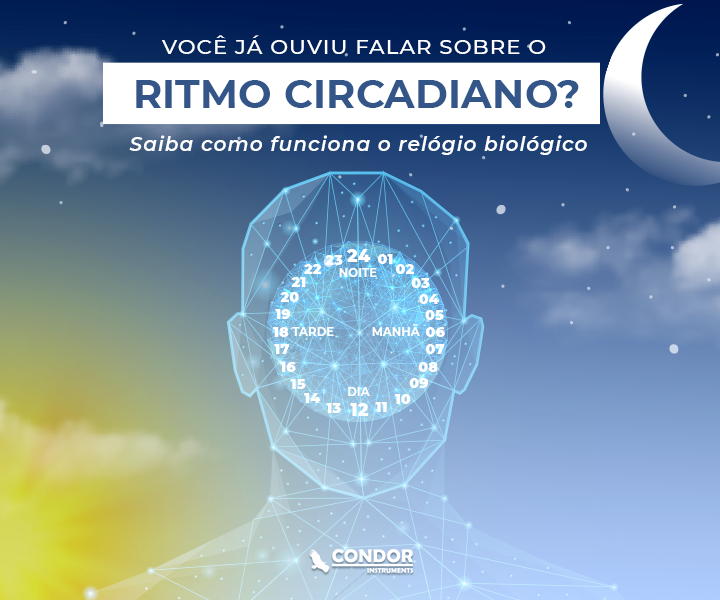
In short, the circadian rhythm is the mechanism by which our body regulates itself, the so-called “biological clock”. Because of it, we experience hunger, thirst, sleep and the need to stay awake, among other events.
The importance of circadian rhythm
Daylight and its absence at night have a direct and decisive influence on our biological clock. This biological clock acts as an internal clock, establishing the “schedules” of our daytime and nighttime activities, especially the states of wakefulness and sleep.
But that’s not all. O circadian rhythm also has a direct influence on our blood pressure, our hunger, our body temperature and the hormones we produce and release via the bloodstream. In other words, it has a direct influence on our entire metabolism and our behavior throughout the day.
O circadian cycle therefore has a total influence, for example, on the release of cortisol, which helps us get out of bed in the morning, on the production of insulin, which helps us use the glucose obtained from food, and on the production of melatonin, which is essential for sleep.
It’s easy to understand that the disturbances we experience, whether dietary, caused by stress or sleep deprivation, are capable of causing hormonal imbalances which, if prolonged, can be the gateway to infections, flu or even more serious pathologies such as vascular diseases and cancer.
The 3 types of biological clock
Yes, there are three types of biological clocks; after all, people are not the same. People organize their lives around going to bed, waking up, working, eating and leisure activities, and this is not the same for everyone.
Isn’t it true that some people are more productive in the morning, while others are more productive in the afternoon or evening? It’s precisely because of the three types of biological clock:
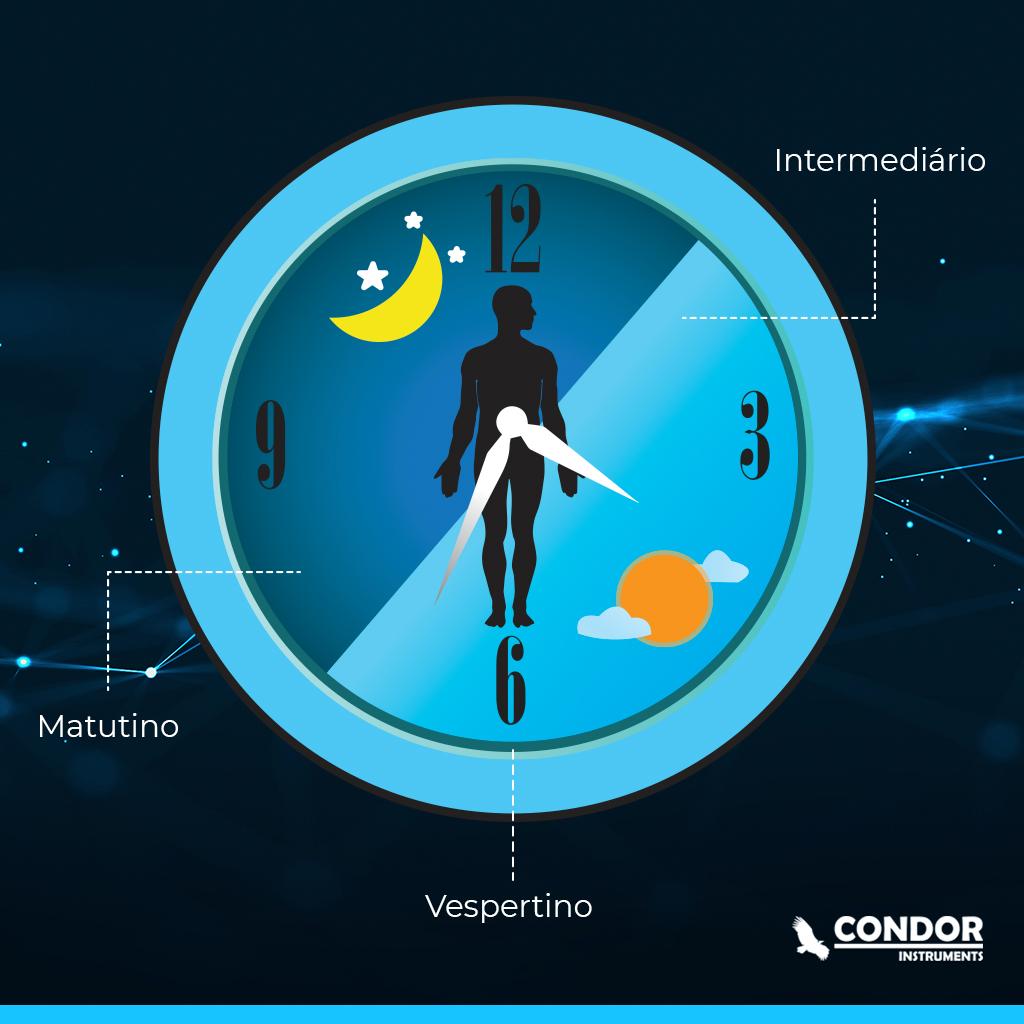
– Morning or daytime: these people like and prefer to get up early, they work very well first thing in the morning and go to bed early. In general, they find it more difficult to concentrate at night.
– Evening or night owls: unlike morning people, evening people produce much more in the evening, or even at dawn, concentrating their activities at these times. In general, they have a more irregular sleep/wake cycle and find it difficult to concentrate in the morning.
– Intermediates: also known as indifferent, they adapt to schedules more easily, with no preference for a specific time. Most of the world’s population is intermediate.
What can cause circadian rhythm disturbances
Some factors can influence circadian rhythmcausing disturbances. The main ones are:
– Regular evening work;
– Pregnancy;
– Time zone changes;
– Use of certain medicines;
– Sudden changes in routine;
– Sleep deprivation;
– Sleeping too late and waking up too late;
– Menopause;
– Parkinson’s disease;
– Alzheimer’s disease.
In addition to affecting sleepThese disorders can impair hormone production, alter body temperature, interfere with metabolism and eating habits, which can lead to diabetes, obesity and depression, among other things.
Professional categories most at risk of circadian rhythm disorders
In general, workers who alternate shifts or who work at times other than the standard hours (9am to 5pm) are more at risk of suffering from circadian rhythm disorders. They are:
– All health professionals (and those who work on duty in hospitals);
– Drivers and pilots;
– People who work in the food industry (bakeries, for example);
– Police;
– Firefighters;
– Security guards.
Delayed sleep phase syndrome disorder
It is a circadian rhythm disorder very common. People with this disorder have difficulty falling asleep, prefer to sleep late and have problems getting up early. Although they sleep and wake up later, these people generally have a better quality of life. sleep normal. In order to adjust your biological clock, it is recommended to delay sleep by another two or three hours every couple of days until you have established a more suitable sleep schedule. Another good tip is to offer bright light at the right time to wake up.
Sleep phase advance syndrome
This is the opposite of delayed sleep phase syndrome. In this case, the affected person falls asleep and wakes up too early, which can also cause social problems. Often the person affected by this syndrome is also a circadian rhythm disorder It is very common to feel sleepy in the early or late afternoon. Phototherapy (the use of special lights as a form of treatment) may be indicated for these cases, as well as delaying bedtime by one to three hours every two days until the ideal time is reached.
Irregular pattern disorder
Those affected by this disorder have a circadian rhythm the sleep/wake cycle is undefined and therefore irregular. The most common symptoms are drowsiness and insomnia The main causes are poor sleep hygiene, lack of sun exposure, a sedentary lifestyle and even a lack of social activities. To treat it, you need to establish a fixed sleep schedule, as well as practicing regular physical activity.
Sleep-wake cycle disorder other than 24 hours
This disorder causes the person to present a circadian cycle of around 25 hours, which is longer than usual. This can lead to insomnia and even drowsiness excessive. In general, the cause of this circadian rhythm disorder is the lack of light, so blind people are more likely to develop it. Intake of melatonin in the evening can be used as a treatment.
Sleep disorder related to changing time zones – Jet Leg
Also known as Jet Leg, this disorder is transient and can last from two to 14 days, depending on the time zones crossed, the person’s age and physical ability. It is naturally related to long-distance air travel. The person affected may experience excessive sleepiness and insomnia, as well as waking up several times during the night, but their circadian cycle is not abnormal. The problem is that the disorder occurs because of a conflict between the sleep-wake cycle and the need to establish a new pattern due to the different time zone.
Sufferers of this disorder can also experience gastrointestinal discomfort, changes in memory and concentration, difficulty coordinating, weakness, dizziness, headaches, tiredness, malaise and decreased appetite. To treat this, sleep hygiene is necessary before, during and after the trip, adapting to the sleep/wake schedule of the destination. Some medication can be prescribed by your doctor.
Shift worker sleep disorder
It affects professionals who work shifts, with a sudden change of schedule. In these cases, the circadian rhythm can’t adapt properly to these irregular hours. One example is a nurse who works shifts of up to 24 hours every three days.
The main symptoms experienced by those affected by this disorder are insomnia and drowsiness, decreased vitality and performance, increased rates of breast, colorectal and prostate cancer, as well as increased blood pressure, gastrointestinal disorders and reproductive problems.
Treatment is not easy because of the worker’s daily schedule. If the symptoms cause a lot of discomfort and loss of quality of life, the doctor may prescribe stimulant medication or sedatives and hypnotics.
The influence of the circadian rhythm on our body weight
It has already become clear that circadian rhythm influences, for example, our need to eat at meal times, particularly at breakfast, lunch and dinner. What more recent studies have found is that the disorganization of the circadian cycle can have consequences for our body weight.
When it’s night time, our body intensifies the release of the hormone melatonin through the pineal gland. If we are in balance and with this functioning normalized, melatonin will act directly on our sleep, on the process of cell renewal, on inflammatory processes, on modulating the effects of stress, on female fertility, easing menopause symptoms and even on burning body fat.
Imbalances in our circadian rhythmThe effects of melatonin, for example through sleep restriction or deprivation, can cause physiological changes in our bodies, including an increase in fat. According to Dr. Bruno Halpern’s doctoral thesis at the University of São Paulo (USP), entitled “The role of melatonin in the regulation of brown adipose tissue” (2018), the hormone melatonin plays a key role in activating brown adipose tissue (fat-burning cells) and burning white adipose tissue (fat-storing cells).
Therefore, disturbances in the circadian cycle can have a direct effect on our body weight.
Actigraphy and the treatment of sleep disorders
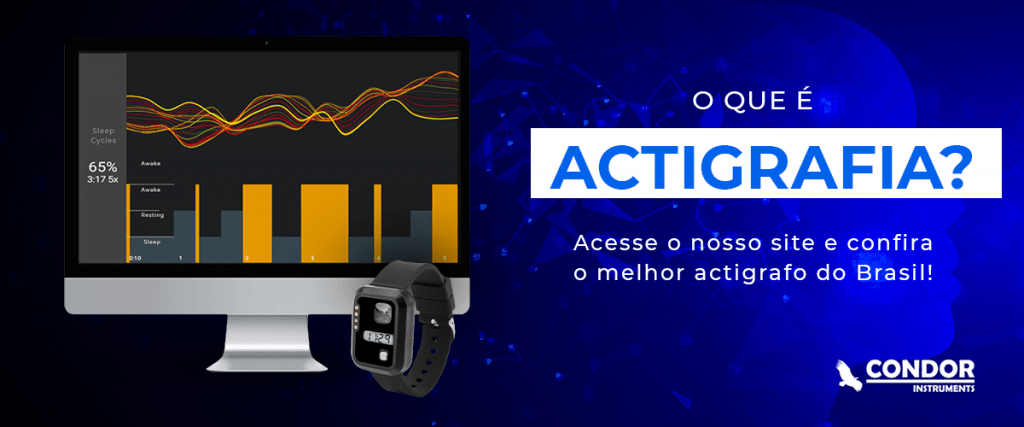
Sleep disorders are very common among the consequences of circadian rhythm disorders. One way of monitoring activity and rest cycles, capturing, compiling and processing information to study the rhythm of sleep and wakefulness, is the use of actimetry, also known as actigraphy.
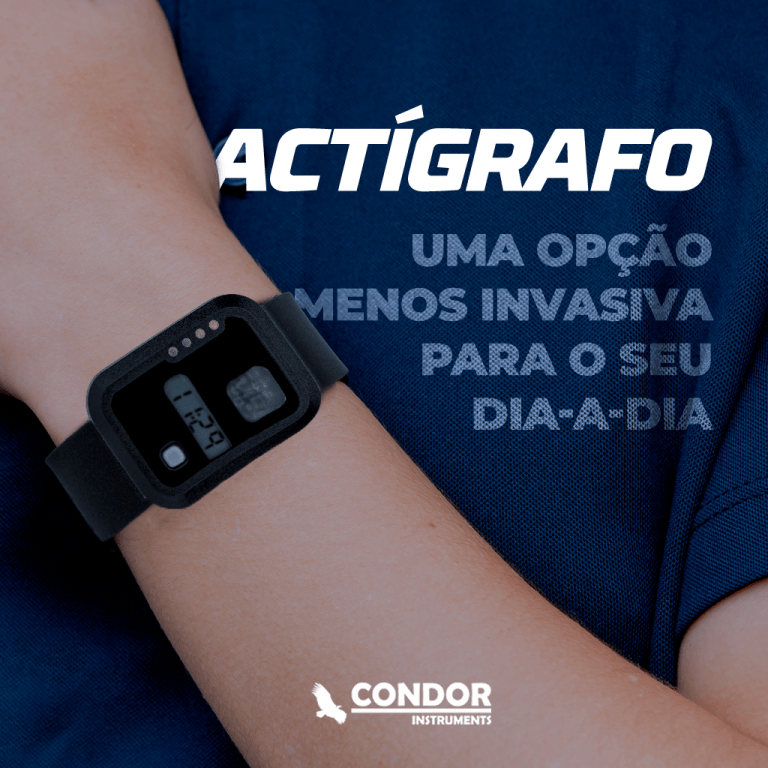
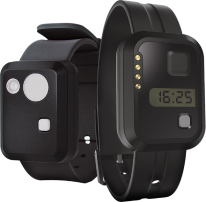
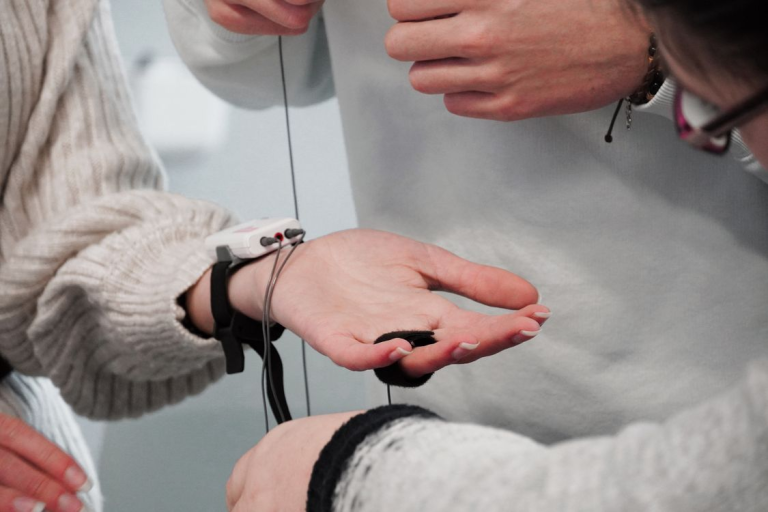
Actigraphy is carried out using an actigraph, most of which resemble a wristwatch, attached to the patient’s non-dominant arm. The actigraph collects and compiles all of the person’s movements using accelerometers, and more modern devices also offer temperature and light sensors, among others, enabling an even more in-depth analysis.
It is worth noting that actigraphy detects sleep and circadian rhythm disordersThe actigraph evaluates sleep quality, how long a person stays in bed and sleep episodes during the day. The actigraph is widely used for studies in the field of sleep medicine, psychiatry, occupational medicine, behavioral psychology and other areas where circadian rhythmicity plays a fundamental role in the study of disorders.
Conclusion
The consequences of circadian rhythm disorders can be severe and absolutely damaging to our health. They can even develop into depression, diabetes, heart disease or even cancer. They therefore need to be treated at the slightest sign of compromising our quality of life.
Treatments will vary from case to case, but in general we need to promote lifestyle changes, such as regular exercise and regular sleep. Some medication may also be prescribed by your doctor. The actigraph can be highly recommended for more in-depth research into both sleep disorders and circadian rhythm disorders.
To prevent them, you should avoid substances that affect sleep, such as caffeine, alcohol and nicotine (at least not after 4pm), consume cold drinks (especially water and iced teas), keep a regular sleep schedule, sunbathe and avoid artificial lights at dusk and at night (especially the so-called blue light from computers and cell phones, and the light from white LED lamps).
Research into the circadian rhythm is evolving more and more. The study “A world first in circadian clock manipulation“, from the Institute of Transformative Biomolecules at Nagoya University, for example, discovered two compounds that extend the period of the circadian cycle and produced a reversible method for controlling the period of the rhythm. This research will certainly help in the treatment of circadian rhythm disorders and sleep too.