

Any doctor will agree that getting enough restorative sleep is fundamental to our quality of life. Short, restless and non-restorative sleep can have devastating effects on our health in the long term, including causing heart problems, type 2 diabetes and depression, one of the main psychiatric illnesses.
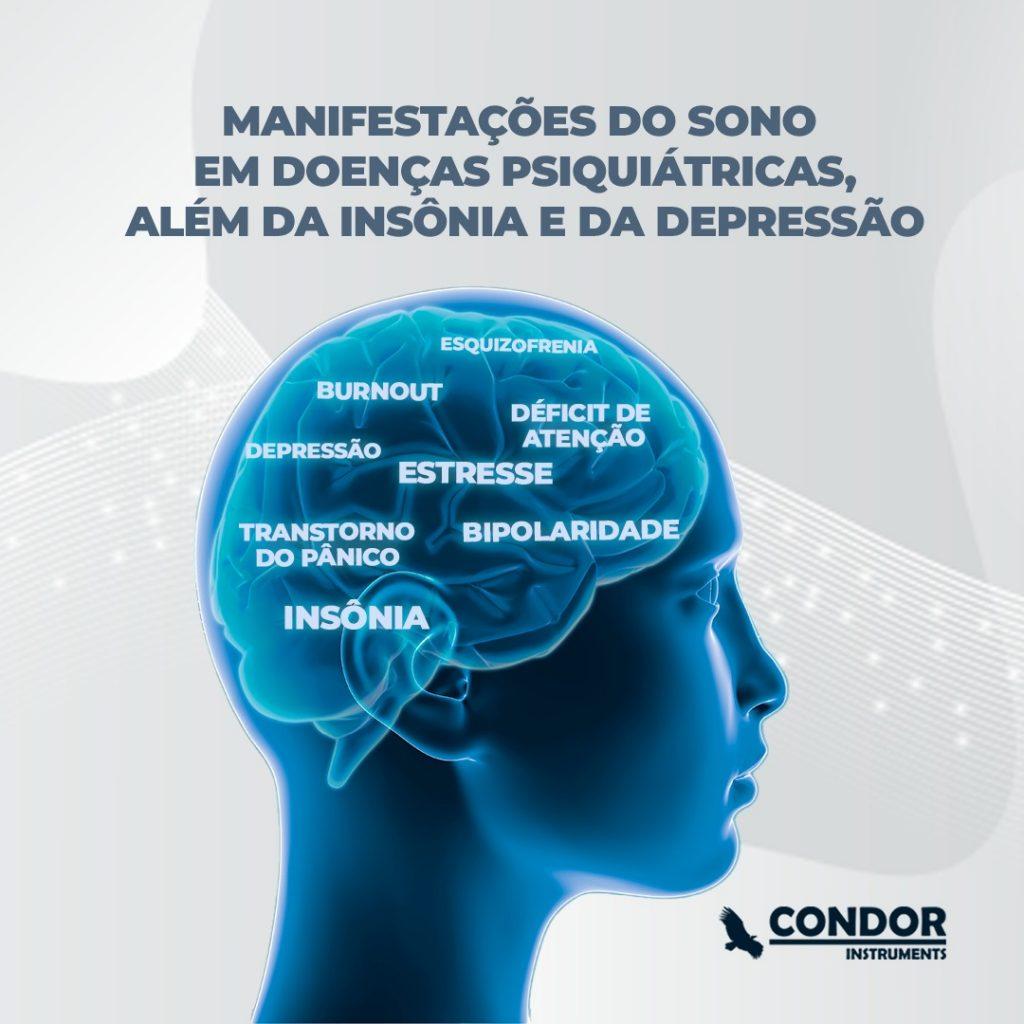
There is a clear link between the quality of our sleep and our mental health. A number of psychiatric conditions cause sleep problems, just as sleep disorders can aggravate the symptoms of various mental illnesses, such as depression, Burnout, bipolarity e panic disorderjust to name a few.
Our experts have prepared this content correlating psychiatric illnesses and sleep disorders. The aim is to present important information on sleep manifestations in psychiatric diseases, even because many people are unaware of these situations, and end up not seeking the necessary and indicated treatment.
Seeking medical treatment is essential when sleep disorders they rob us of quality of life.
What is depression?
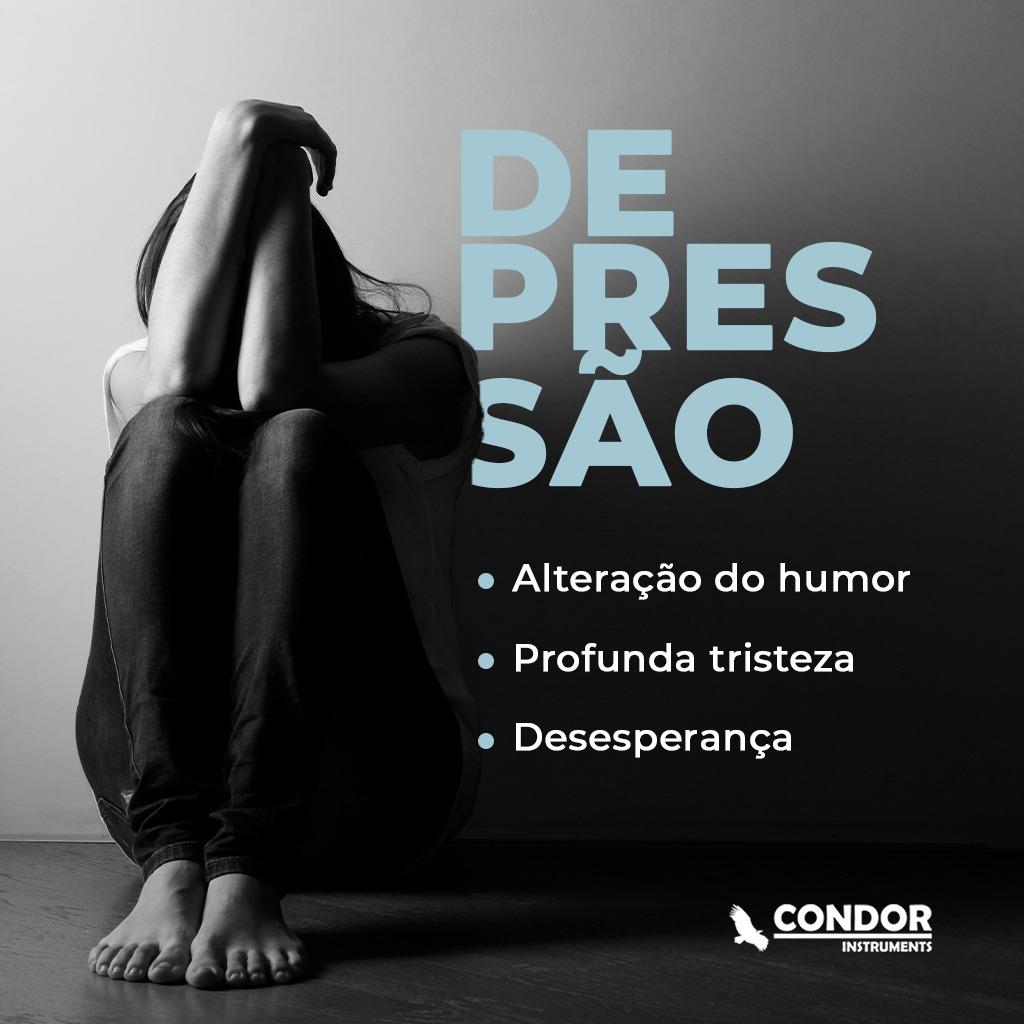
It is a chronic and recurrent psychiatric illness that affects more than 350 million people worldwide. A depression is mainly characterized by mood swings, deep sadness, hopelessness, bitterness, low esteem and can be absolutely disabling. It is accompanied by sleep and appetite disorders.
Popularly, we say that we are “depressed” when we are very sad. A depression goes far beyond this momentary condition, because it is a psychiatric illness that can appear in mild, moderate and severe degrees, affecting all ages, including children. In the severe stage, there is even a danger of suicide.
A depression is caused by genetic factors and can be triggered by a biochemical dysfunction in the brain. But a person can be affected by the disease due to childhood trauma, stress, alcoholism, illicit drug use and some systemic diseases (such as hypothyroidism).
The main symptoms are: weight change, psychomotor problems, tiredness, difficulty concentrating, excessive feelings of guilt, low esteem, altered libido, suicidal ideas and deep sadness. Depressed people often suffer from insomnia or excessive sleepiness.
How does depression affect sleep?
As you already know insomnia can be a symptom of depressionand recent scientific studies indicate that lack of sleep can cause this psychiatric illness. According to some studies, those who suffer from insomnia has a doubled risk of developing depressioncompared to those who sleep well.
According to the portal Verywell Minda study on the impact of lack of sleep on mental health symptoms. depressionThe study, which involved 3,700 patients, presented a revealing result: participants who were treated with cognitive behavioral therapy (CBT) for insomnia showed real reductions in depression, anxiety, paranoia and nightmare episodes, as well as reporting improved well-being. The same impact was not felt by those who received no treatment at all.
What is bipolar disorder?
A bipolarity, or bipolar disorderIt alternates between episodes of depression and euphoria. It is a complex psychiatric disorder, with bouts of mania and hypomania that can be mild, moderate or severe, with varying frequency and duration. According to international diagnostic classification manuals, the bipolarity comes in four forms:
– Bipolar disorder type I;
– Type II bipolar disorder;
– Unspecified or mixed bipolar disorder;
– Cyclothymic disorder.
The cause of the bipolar disorderBut it is known that there are genetic factors and alterations in the brain and in the levels of various neurotransmitters. The signs of the disease can be confused with schizophrenia, the depression, a panic disorder and anxiety, hence the need for specialized monitoring.
Among other symptoms, sufferers experience mood swings, deep sadness, general lack of interest, social isolation, tiredness, difficulty concentrating, forgetfulness and suicidal ideas. There are also frequent sleep changes, such as insomnia, irregular sleep/wake cycles and episodes of nightmares.
Does poor sleep affect bipolar disorder?
Yes, reduced sleep can cause symptoms of mania and hypomania. According to a clinical review study published by ScienceDirect, entitled “Sleep-wake disturbance in interepisode bipolar disorder and high-risk individuals: a systematic review and meta-analysis”, alterations in the sleep-wake cycle were the starting point of a manic episode in 25% to 65% of those interviewed.
Insomnia and irregular sleep/wake cycles are symptoms of the illness and play a significant role in the course of the illness, the results of treatment and the quality of life of the bipolar person.
What is Burnout?
A Burnout syndrome is a psychiatric illness caused by extreme exhaustion specifically related to work. It is also popularly known as occupational burnout syndrome, precisely because of its intrinsic relationship with work activity.
A Burnout syndrome is the result of the accumulation of stress, emotional tension, anxiety, nervousness and high workloads, and can trigger a deep depression in the patient. The main symptoms are excessive mental and physical fatigue, difficulty concentrating, irritability, headaches and pain throughout the body, social isolation, high blood pressure and memory lapses, among others.
Those affected by the disease suffer from sleep disorders, especially insomnia. They often can’t fall asleep or wake up in the middle of the night and lose sleep. The main categories affected by Burnout syndrome are teachers, police officers, publicists, firefighters, social workers and health workers.
The relationship between Burnout and sleep
Faced with such stress, excessive mental fatigue, tension and anxiety, those affected by this psychiatric illness often lose sleep, which intensifies all these symptoms. It’s a vicious cycle: the more insomnia, the more stress, and the harder it is to get out of it. A sequence of refreshing nights of sleep is essential for regaining the quality of life that has been lost.
What is panic disorder?
A person affected by panic disorder (PT) has sudden and very intense anxiety attacks, causing fear and unease, often accompanied by physical symptoms. The crises happen without a set time or context and can last an average of 15 to 30 minutes.
Among the main symptoms of panic disorder These include rapid heartbeat and breathing, chest pain, paleness, cold sweat, shaky legs, chills, fear of dying, dizziness, nausea and even vomiting and fainting at the peak of the crisis. It happens because of extreme stress.
How does panic disorder interfere with sleep?
According to the article entitled “Sleep in psychiatric disorders”, published on the Scielo Brasil portal, the main complaints of patients affected by sleep disorders are panic disorderin relation to sleep are insomnia initial or maintenance sleep, fragmented sleep and, above all, non-restorative sleep. According to the article, research shows that 70% of patients with this disorder complain of these sleep disturbances.
There are also cases of apnea, night terrors and even gastroesophageal reflux during sleep. Many patients have a fear of going to sleep and are therefore reluctant to fall asleep.
What is attention deficit?
O Attention Deficit Disorder with Hyperactivity (ADHD) is a neurobiological disorder that appears mainly in childhood and can accompany a person over the years. The symptoms are inattention, restlessness and impulsiveness. According to the Brazilian Attention Deficit Disorder Association (ABDA), the attention deficit affects between 3% and 5% of children worldwide, and in more than half of cases accompanies the person into adulthood, but with generally milder symptoms.
The sleep complaints of attention deficit disorder sufferers
The main sleep complaints of people with attention deficit are a reduced sleep load, difficulty waking up in the morning, fragmented and non-restorative sleep, breathing problems during sleep and also a lot of movement during sleep. Children with apnea have more symptoms associated with sleep apnea syndrome. attention deficitAccording to the article “Sleep in psychiatric disorders”, cited above. According to the content, when not medicated, patients may experience increased daytime sleepiness
What is schizophrenia?
According to the Instituto de Psiquiatria Paulista, 1% of the world’s population is affected by schizophrenia, an endogenous psychiatric illness characterized by visual and auditory hallucinations.
Symptoms include difficulty taking care of personal hygiene, the appearance of not feeling emotions and not caring about reality, a lost gaze, delusions, hallucinations, disorganized thoughts and abnormal motor behaviour.
The disease has no cure and it is not known exactly what causes it. But there is a genetic predisposition, family history, inflammation or autoimmune diseases and excessive use of psychoactive drugs during youth and adolescence.
Schizophrenia and sleep
Psychotic agitation can be accompanied by long periods of lack of sleep, but when it improves, many schizophrenics present with insomnia. Nightmares are absolutely common, as is excessive movement of the lower limbs during sleep. According to psychiatric studies, apnea can aggravate schizophrenic symptoms. Antipsychotic drugs generally increase sleep efficiency
What is stress?
Don’t confuse stress with tiredness, even deep tiredness. Many people say they are stressed after a hard day’s work or after a difficult challenge. This is exhaustion, extreme tiredness. O stress is a physiological mechanism of the body that releases a series of chemical mediators (popularly called adrenaline), with an increase in heart rate and blood pressure. It is caused by the accumulation of small everyday problems that can damage our health.
O stress in high doses and repetitively can cause an angina crisis, which can even lead to a heart attack. It also causes muscle pain throughout the body, especially in the cervical region of the spine, and even skin changes. In fact stress is not categorized in the international classification of diseases, but it is a common presence in doctors’ offices, especially psychiatrists’ offices.
Hypertension, coronary artery lesions and cardiac hypertrophy can be a consequence of stress. It is worth noting that high levels of stress encourage the use of drugs, alcohol, depression, anxiety and somatization. Doctors consider a good, refreshing night’s sleep to be essential for reducing and even ending stressAlongside, of course, other attitudes such as having fun, being entertained, exercising, eating well and resting.
Stress disrupts your sleep
One of the signs of stress is sleep disturbance. It is very common for a stressed person to sleep too much or, conversely, to sleep for too short a time. This leads to other symptoms such as mood swings, tiredness, muscle tension, attention and concentration problems and anxiety. depressionamong others.
Is insomnia a disease?
One in three Brazilians suffer from insomniaaccording to the Brazilian Association of Sleep Medicine. It is one of the most well-known sleep disorders, caused by psychophysiological factors such as anxiety, stress and excessive worry. Mental health problems, among others, are risk factors.
How does insomnia affect your sleep and your health?
According to neurologists, the insomnia occurs as a result of an imbalance in the areas of the brain that help maintain the sleep/wake cycle, altering sleep. Untreated, chronic insomnia poses serious risks to our mental health in the medium and long term.

A insomnia is considered a sleep disorder when it happens at least three times a week, on a regular basis, whether on consecutive days or not. The disorder is a gateway to mental health problems (such as depression and anxiety), cardiovascular, respiratory and even musculoskeletal diseases.
In fact, there is a direct relationship between the quality of sleep and the efficiency of the body’s defenses in the fight against numerous diseases. A insomnia has a direct and negative impact on this efficiency, greatly reducing our resistance.
Actigraphy, cutting-edge technology in the treatment of sleep disorders

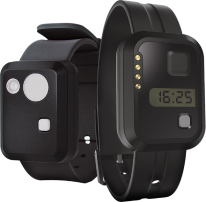
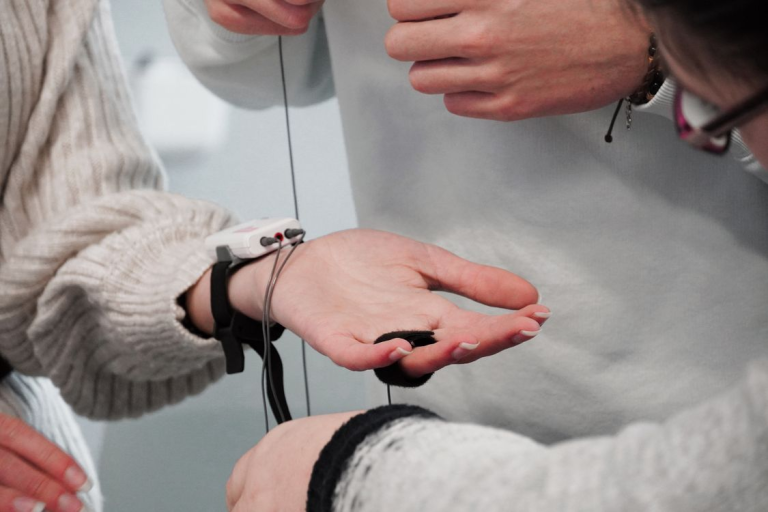
Most often resembling a wristwatch, the actigraph is a modern device used to monitor cycles of activity and rest. The aim is to collect a range of important information for studying the rhythm of sleep and wakefulness. A actigraphyActimetry is a cutting-edge technology used to treat sleep disorders.
The patient must wear it strapped to their wrist, on their non-dominant arm, for the duration of the study. During this time, the actigraph will collect, record and compile all of the person’s movements using accelerometers. Even more modern actigraphs have temperature and light sensors, which allow for an even more in-depth analysis.
Actigraphy will identify sleep disorders and circadian rhythmicityActigraphy provides the attending physician with the patient’s time in bed, sleep episodes throughout the day and a series of other data that will be fundamental for diagnosing and treating the problem. Actigraphy is also used by psychiatrists to study sleep.
Conclusion
Sleep alterations and disturbances occur in most psychiatric illnesses. In general, patients complain of insomnia and, when they do manage to sleep, nightmares are common. The main complaints are difficulty going to sleep (initial insomnia), maintaining sleep and difficulty establishing restful sleep.
Doctors agree that there is a clear association between psychiatric disorders and sleep disturbances. A person with sleep apnea, for example, has higher levels of anxiety, tiredness and other symptoms such as headaches and pain in the cervical spine.
There’s no doubt that restful sleep has an extremely beneficial effect on people, especially those suffering from a psychiatric illness. Restful sleep can even reduce the amount of medication given by a doctor. Mental illnesses and sleep disorders have a direct cause and effect relationship, so it is essential to treat them.