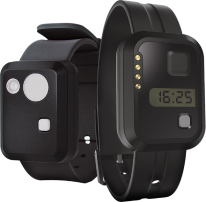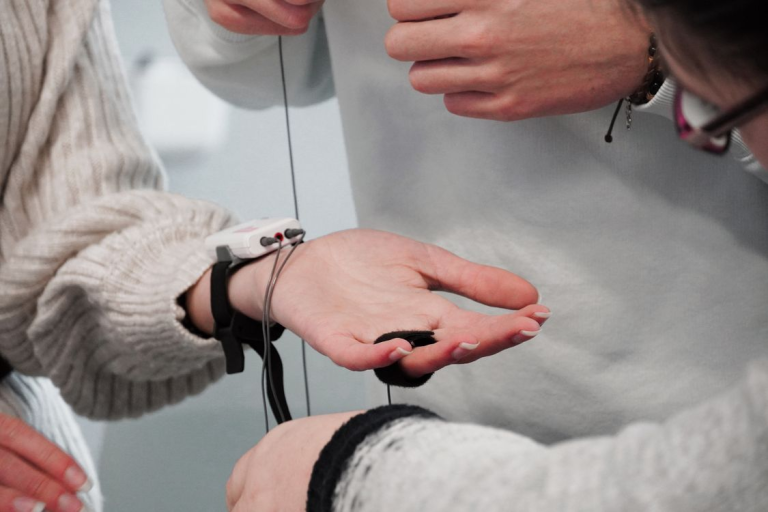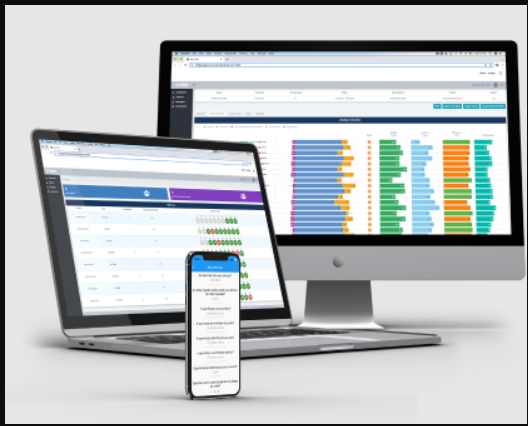


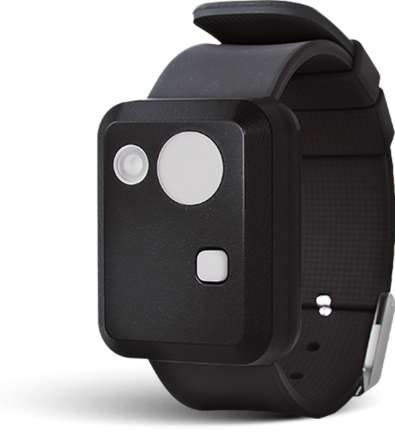
Clinical research depends on reliable data. Every gap, inconsistency, or misinterpretation can affect study outcomes and clinical decisions. Off-wrist detection Actigrafia addresses one of the most common challenges in wearable monitoring by identifying when participants remove a wrist actigraphy device.
This capability helps physicians, sleep specialists, and researchers distinguish true physiological inactivity from periods when participants do not wear the device. As research protocols continue to expand across sleep medicine and clinical trials, accurate wear detection has become essential for generating trustworthy datasets.
Why Off-Wrist Detection Matters
Researchers often rely on continuous data collection over several days or weeks. When participants remove actigraphy devices, the recorded inactivity can resemble prolonged rest or sleep if the system cannot identify non-wear periods. These false interpretations introduce unnecessary variability into study results.
Off-wrist detection actigraphy eliminates this uncertainty by recognizing device removal and accurately labeling those intervals. Instead of analyzing misleading information, researchers work with cleaner datasets that support stronger scientific conclusions.
1. Preventing False Data Interpretation
Reliable interpretation begins with accurate measurement. A participant may remove a wrist actigraphy device during showering, charging, or daily activities. Without effective off-wrist detection, researchers might classify these periods as inactivity.
Advanced detection technology separates genuine physiological signals from non-wear events. This distinction improves data integrity while reducing manual review and unnecessary corrections during analysis.
For physicians and sleep specialists, accurate non-wear identification supports more confident evaluations of long-term activity and sleep patterns. It also strengthens comparisons across participants and study populations.

2. Supporting Better Participant Adherence
Participant compliance plays a critical role in wearable research. Investigators need clear visibility into how consistently participants wear actigraphy monitoring devices throughout the monitoring period.
Off-wrist detection actigraphy provides objective adherence metrics by documenting wear time and non-wear events. Research teams can identify compliance issues early, communicate with participants when necessary, and improve protocol adherence before valuable study time disappears.
Better adherence leads to more complete datasets, stronger statistical power, and fewer missing observations across clinical studies.
3. Improving Confidence in Clinical Research
High-quality research requires confidence in every recorded data point. When investigators know exactly when participants wear actigraphy devices, they can interpret results with greater certainty.
Accurate wear detection offers several advantages:
- Reduces false inactivity classifications.
- Improves overall dataset quality.
- Supports standardized analysis across study sites.
- Minimizes manual data cleaning.
- Increases confidence in published findings.
These benefits become especially valuable in multicenter trials where consistent data collection remains essential.
4. Enhancing Long-Term Wearable Studies
Many clinical studies monitor participants continuously for extended periods. Long monitoring durations naturally increase the likelihood of temporary device removal.
Off-wrist detection actigraphy helps researchers maintain data consistency throughout these extended observation windows. Instead of excluding entire participant records because of uncertain wear periods, investigators can isolate non-wear intervals while preserving valid physiological data.
This targeted approach improves participant retention and maximizes the value of collected information.
5. Integrating Additional Clinical Context
Modern actigraphy monitoring devices often include features that enhance data interpretation beyond movement alone. A built-in Light Sensor helps document environmental light exposure, while a Sleep Diary allows participants to record bedtimes, wake times, medication use, or unusual events.
Together, Actigraphy, Sleep Diary, and Light Sensor data create a richer clinical picture. Researchers can compare objective measurements with participant-reported information while accounting for environmental influences that affect sleep and circadian rhythm studies.
It remains important to recognize the capabilities of an Actigraph. Although Actigraphy provides valuable estimates of sleep and activity patterns, an Actigraph cannot monitor REM sleep. Researchers should interpret results within the technology’s validated scope and combine findings with appropriate clinical assessments when necessary.

Selecting the Right Technology for Research
Choosing dependable actigraphy devices requires more than evaluating battery life or storage capacity. Clinical teams should prioritize validated wear detection, dependable long-term monitoring, consistent sensor performance, and streamlined data management.
Reliable off-wrist detection actigraphy improves operational efficiency while strengthening confidence in study outcomes. These advantages benefit pharmaceutical research, sleep laboratories, academic institutions, and healthcare organizations that depend on high-quality wearable data.
A Trusted Choice for Modern Clinical Research
As researchers replace legacy monitoring systems, many seek dependable alternatives that meet today’s clinical requirements. With Philips Actigraph products no longer available worldwide, healthcare organizations and research institutions require reliable solutions that support rigorous Actigraphy studies.
Condor Instruments offers advanced actigraphy monitoring devices designed for physicians, sleep specialists, and sleep researchers. We provide modern actigraphy devices with reliable off-wrist detection actigraphy, integrated Light Sensor capabilities, and compatibility with Diário do sono workflows. These features make Condor Instruments a strong replacement option for discontinued Philips Actigraph systems while supporting high-quality clinical and research applications.