

Learn all about sleep apnea
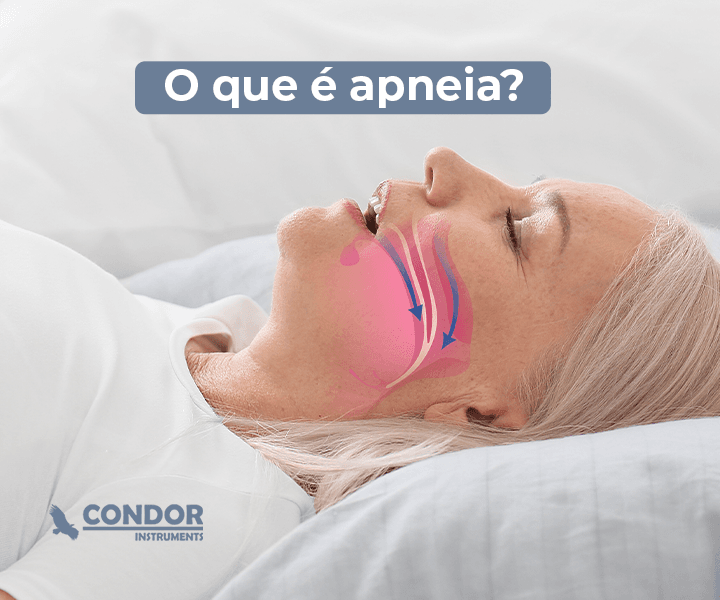
A sleep disorder that affects approximately 30% to 35% of the population, the sleep apnea directly affects a person’s breathing. Many people believe that this disorder is primarily characterized by loud and continuous snoring, but this is not true. The main symptom is in breathing: there are interruptions that repeat at least five times in a 60-minute period.
This is a serious, complex sleep disorder that can severely affect health and quality of life. The sleep apnea It has varied symptoms, diverse risk factors, and consequences that can be quite serious, but the good news is that it has treatment and a cure. That’s what you’ll learn now, by reading this content to the end.
Sleep apnea and blood oxygen levels
It is very true that a person afflicted with sleep apnea it can present successive and very loud snores, but the noises are just background for choking, or small pauses in air intake, which can even decrease blood oxygen levels.
This is exactly why this sleep disorder can be quite serious. A reduction in blood oxygen can overactivate the nervous system, increasing heart rate and stimulating blood vessel constriction. The result: sleep apnea can become a determinant risk factor for high blood pressure and cardiac arrhythmia.
And there’s more: this sleep disorder can favor the accumulation of abdominal fat and insulin resistance, which is the hormone that drives glucose into cells, generating energy, basic conditions for the onset of type 2 diabetes.
Obstructive apnea, the most common
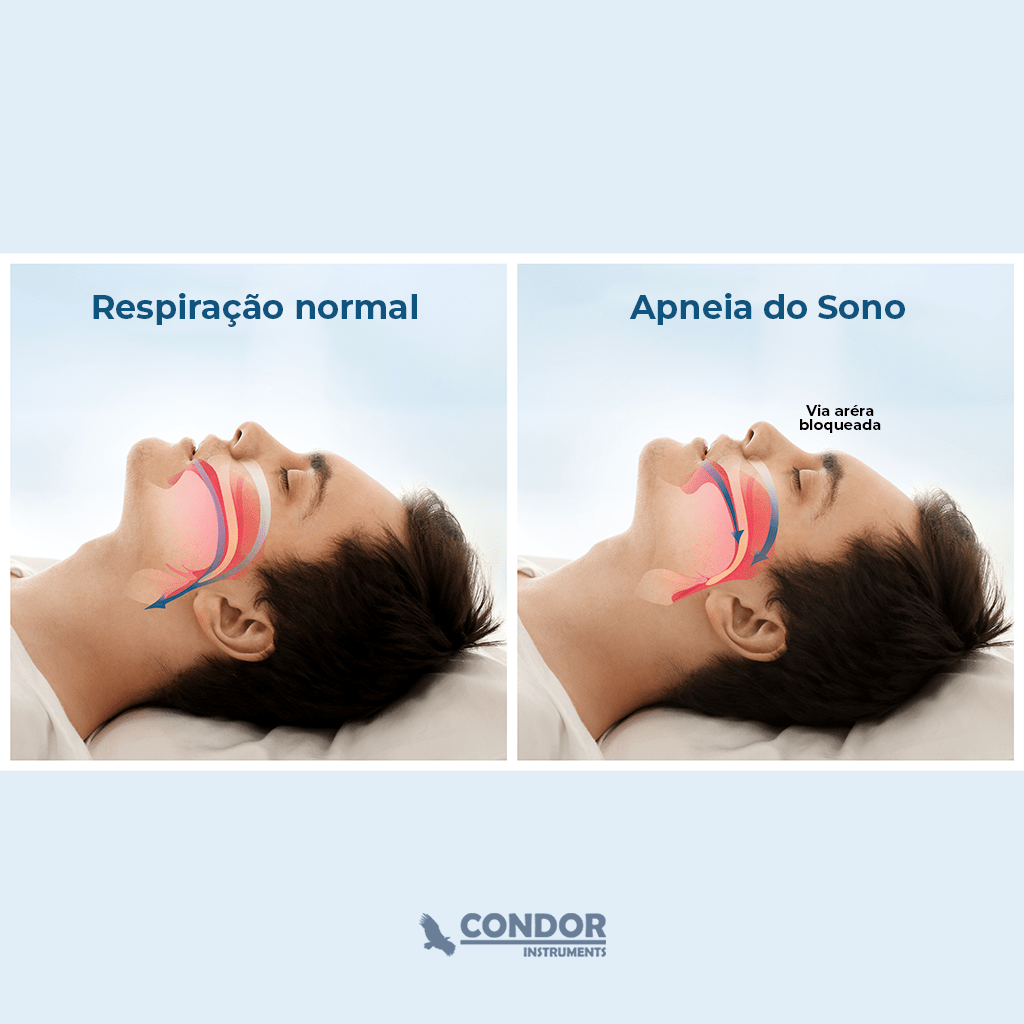
The most common type of the disease is obstructive sleep apnea, when air stops flowing into the airways due to a temporary blockage caused by the relaxation of the patient’s throat muscles.
Another known, though rarer, type is central sleep apnea. The main characteristic of this type of sleep apnea is caused by a change in the region of the brain that controls breathing.
Signs and symptoms of sleep apnea
The following are the main signs and symptoms of sleep apnea:
• Feeling of suffocation while sleeping;
• Gasping breaths;
Ronco;
Morning headache;
• Daytime drowsiness;
Difficulty concentrating;
I am restless.
What are the risk factors?
A Sleep apnea There are several risk factors, but the main ones are: obesity, excessive alcohol consumption, smoking, a shortened lower jaw (in this case, the tongue is pushed backward, blocking the throat), overuse of sedatives, enlarged tonsils and adenoids, tumors, and also the habit of sleeping on your back.
How to diagnose sleep apnea?
If the person affected by this disorder sleep sleep with someone, your account will be decisive for the diagnosis. But confirmation must be made through an exam called polysomnography, which will be requested by a sleep doctor.
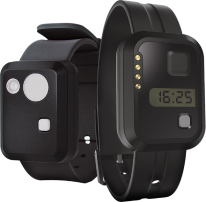
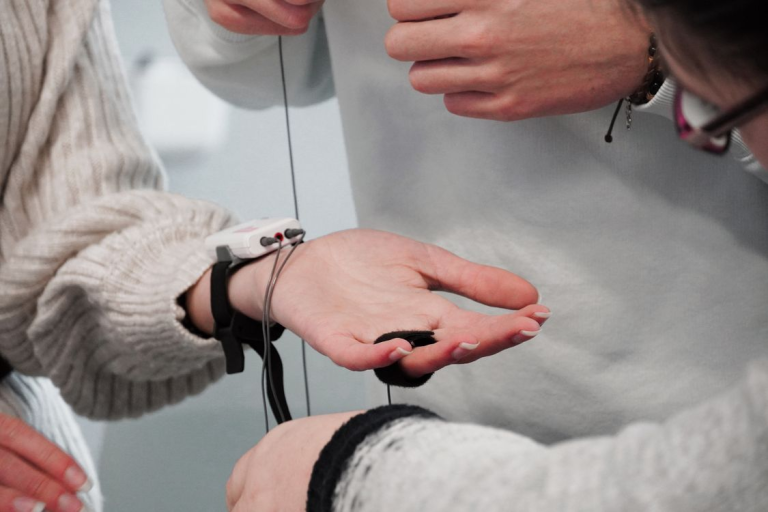
A very effective way to diagnose sleep apnea it is through actigraphy, an examination performed by an actigraph, a type of watch placed on the patient’s non-dominant arm, which records the patient’s movement minute by minute during the sleep. Modern actimeters, such as those marketed by Condor Instruments’, have temperature and light sensors, among others, which help for a more complete and assertive analysis of sleep and circadian rhythm of the person.
Does sleep apnea have a treatment?
Yes! Sleep apnea Milder cases can be treated with nasal dilators. Those with a short jaw may use custom-made orthodontic appliances that project the jawbone and lower the tongue, facilitating airflow.
Another possibility is the use of a device called CPAP (continuous positive airway pressure), a type of mask that covers the nose and mouth, delivering air to the respiratory tract. In severe cases, surgery may be recommended.
The use of sleep diary can also help the afflicted by sleep apnea. The ideal is for the patient to seek a sleep doctor as soon as possible, as he is the right professional to treat it.