

Result of the most diverse neurobehavioral effects, deprivation of sleep it’s the gateway to an enormous range of diseases and directly affects our quality of life. Insomnia and so many other sleep disorders may have specific causes that lead to sleep deprivation, but there is an intersection between them: anxiety. But, after all, Anxiety and sleep have a complex and often bidirectional relationship. This means that anxiety can negatively impact sleep, and poor sleep can, in turn, trigger or worsen anxiety.Here’s a breakdown of how they are related:**How Anxiety Affects Sleep:*** **Difficulty Falling Asleep (Sleep Onset Insomnia):** When you’re anxious, your mind can race with worries, fears, and “what if” scenarios, making it very hard to quiet your thoughts and drift off to sleep. This is often referred to as “racing thoughts.” * **Waking Up in the Night (Sleep Maintenance Insomnia):** Anxiety can cause you to wake up frequently during the night, sometimes with a feeling of panic or unease. It can be difficult to fall back asleep after these awakenings. * **Restless Sleep:** Even if you manage to stay asleep, anxiety can lead to a less restful sleep. You might toss and turn more, have more vivid or disturbing dreams, or feel unrefreshed upon waking. * **Increased Alertness and Arousal:** Anxiety activates the body’s “fight or flight” response, leading to increased heart rate, blood pressure, and general alertness. This physiological state is counterproductive to relaxation and sleep. * **Physical Symptoms:** Anxiety can manifest physically with symptoms like muscle tension, a racing heart, shortness of breath, or digestive issues, all of which can interfere with sleep. * **Nightmares and Night Terrors:** While not exclusive to anxiety, people with anxiety disorders may experience more frequent or more disturbing nightmares.**How Poor Sleep Affects Anxiety:*** **Increased Worry and Rumination:** When you’re sleep-deprived, your ability to regulate emotions is compromised. This can lead to an increase in worry, rumination (getting stuck on negative thoughts), and a heightened sense of threat. * **Exaggerated Perceptions of Danger:** Lack of sleep can make normal situations feel more overwhelming and threatening, leading to increased anxiety responses. * **Irritability and Mood Swings:** Poor sleep often results in irritability, which can easily spill over into feelings of anxiety and frustration. * **Reduced Coping Skills:** When you’re tired, your capacity to cope with stressors decreases. This makes you more vulnerable to feeling anxious and overwhelmed. * **Impact on Cognitive Function:** Sleep deprivation affects decision-making, problem-solving, and concentration, all of which can contribute to feelings of anxiety as you struggle to manage daily tasks. * **Reinforcement of the Cycle:** If anxiety prevents you from sleeping, and lack of sleep increases your anxiety, you can get caught in a vicious cycle that is difficult to break.**The Vicious Cycle:**The interplay between anxiety and sleep often creates a self-perpetuating cycle:1. **Anxiety** leads to difficulty falling or staying asleep. 2. **Poor sleep** leads to increased worry, irritability, and reduced coping skills. 3. **These effects of poor sleep** then exacerbate the original anxiety. 4. **This increased anxiety** leads to even more trouble sleeping, and the cycle continues.**In summary:** Anxiety and sleep are deeply intertwined. Addressing one often requires addressing the other to achieve better overall well-being. If you are struggling with either anxiety or sleep problems, it is important to seek professional help from a doctor or mental health professional.
Mental hyperexcitation, one of the main and most striking characteristics of anxiety, it can have a devastating effect on sleep. The truth is that The relationship between anxiety and sleep it can turn into a game of cause and effect, meaning one can trigger or boost the other. anxiety gets in the way sleep, as well as the deprivation of sleep, for whatever reason, it can cause anxiety.
Anxiety vs. Anxiety Disorders
First of all, it’s important to understand the difference between anxiety and disorders of anxiety. Nothing is more natural in all our lives than anxiety. Whether it’s because of good or bad news we’re waiting to receive, the eve of an exam or a job, a special event, it doesn’t matter, the anxiety it’s a kind of defense mechanism of our body, which prepares itself to face something unusual, unexpected.
Disorders of anxiety, however, signify a continuation of this feeling. They don’t pass after the final exam, the first day at a new job, or some unexpected event. And the symptoms persist, including deprivation of sleep and disorders of the sleep, such as insomnia and others.
Are examples of Anxiety disorderspanic disorder, post-traumatic stress disorder, obsessive-compulsive disorder, specific phobias, generalized anxiety disorder, or social anxiety disorder, among others.
What comes first, anxiety or insomnia?
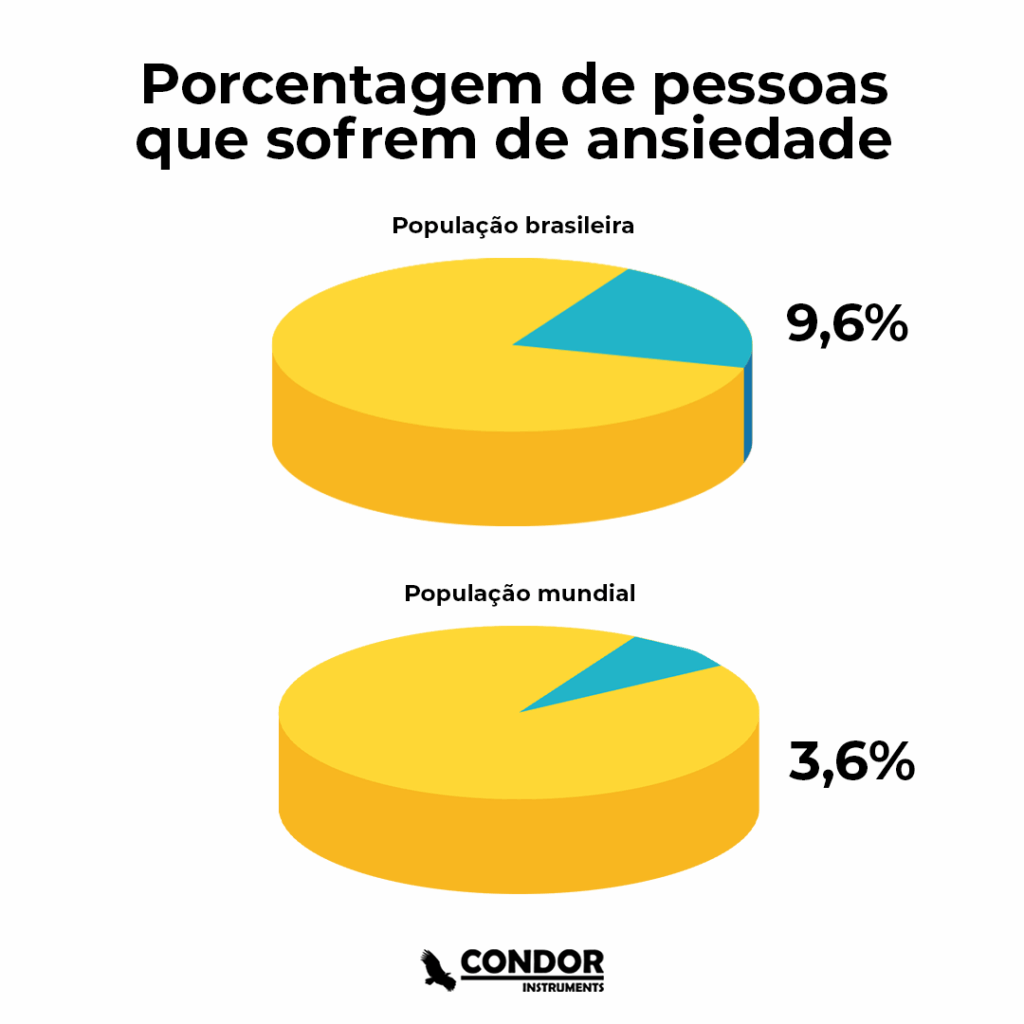
It is important to emphasize that anxiety It is the most common mental disorder in the world. The World Health Organization (WHO) estimates that 3.61% of the world’s population suffers from anxiety, and in Brazil that figure jumps to 9.61% of the population. According to the WHO, Brazil is considered the most anxious country in the world in relative terms.
But in Relationship between anxiety and sleep, what comes first? According to the American Anxiety and Depression Association, “sleep disturbances are present in almost all psychiatric disorders, just as people with chronic insomnia are more likely to develop anxiety disorders.” In other words, both the anxiety can cause insomnia, how insomnia can cause anxiety.
Combating anxiety to avoid depriving yourself of a good night’s sleep
Some tips can help a lot to control the anxiety, softening the Relationship between anxiety and sleep. They are:
Create and respect a schedule routine for the sleep;
• If you take medication, talk to your doctor about it and make sure it doesn’t interfere with your sleep;
• Organize your next day before going to bed, leaving everything neat and calm;
• Meditate Or try to have good and light thoughts when you go to bed;
No phones before bed.;
• Keep your room dark and as quiet as possible;
• Adopt healthy habits and a healthy diet. Regular physical exercise is fundamental;
• Avoid staying in bed without sleep. Don’t fight with him.
The relationship between anxiety and sleep
But, after all, Anxiety and sleep have a complex and often bidirectional relationship. This means that anxiety can negatively impact sleep, and poor sleep can, in turn, trigger or worsen anxiety.Here’s a breakdown of how they are related:**How Anxiety Affects Sleep:*** **Difficulty Falling Asleep (Sleep Onset Insomnia):** When you’re anxious, your mind can race with worries, fears, and “what if” scenarios, making it very hard to quiet your thoughts and drift off to sleep. This is often referred to as “racing thoughts.” * **Waking Up in the Night (Sleep Maintenance Insomnia):** Anxiety can cause you to wake up frequently during the night, sometimes with a feeling of panic or unease. It can be difficult to fall back asleep after these awakenings. * **Restless Sleep:** Even if you manage to stay asleep, anxiety can lead to a less restful sleep. You might toss and turn more, have more vivid or disturbing dreams, or feel unrefreshed upon waking. * **Increased Alertness and Arousal:** Anxiety activates the body’s “fight or flight” response, leading to increased heart rate, blood pressure, and general alertness. This physiological state is counterproductive to relaxation and sleep. * **Physical Symptoms:** Anxiety can manifest physically with symptoms like muscle tension, a racing heart, shortness of breath, or digestive issues, all of which can interfere with sleep. * **Nightmares and Night Terrors:** While not exclusive to anxiety, people with anxiety disorders may experience more frequent or more disturbing nightmares.**How Poor Sleep Affects Anxiety:*** **Increased Worry and Rumination:** When you’re sleep-deprived, your ability to regulate emotions is compromised. This can lead to an increase in worry, rumination (getting stuck on negative thoughts), and a heightened sense of threat. * **Exaggerated Perceptions of Danger:** Lack of sleep can make normal situations feel more overwhelming and threatening, leading to increased anxiety responses. * **Irritability and Mood Swings:** Poor sleep often results in irritability, which can easily spill over into feelings of anxiety and frustration. * **Reduced Coping Skills:** When you’re tired, your capacity to cope with stressors decreases. This makes you more vulnerable to feeling anxious and overwhelmed. * **Impact on Cognitive Function:** Sleep deprivation affects decision-making, problem-solving, and concentration, all of which can contribute to feelings of anxiety as you struggle to manage daily tasks. * **Reinforcement of the Cycle:** If anxiety prevents you from sleeping, and lack of sleep increases your anxiety, you can get caught in a vicious cycle that is difficult to break.**The Vicious Cycle:**The interplay between anxiety and sleep often creates a self-perpetuating cycle:1. **Anxiety** leads to difficulty falling or staying asleep. 2. **Poor sleep** leads to increased worry, irritability, and reduced coping skills. 3. **These effects of poor sleep** then exacerbate the original anxiety. 4. **This increased anxiety** leads to even more trouble sleeping, and the cycle continues.**In summary:** Anxiety and sleep are deeply intertwined. Addressing one often requires addressing the other to achieve better overall well-being. If you are struggling with either anxiety or sleep problems, it is important to seek professional help from a doctor or mental health professional. A study conducted with 42,000 Brazilians from across the country concluded that people with disorders of sleep are 180% more likely to have anxiety, and improvements in the quality of sleep the rates of anxiety and depression.
However, it is a bidirectional relationship, and each situation must be understood – anxiety and the sleep disorder to combat it.
How to treat the relationship between anxiety and sleep?
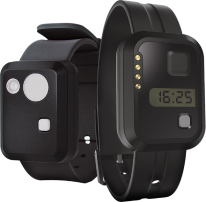
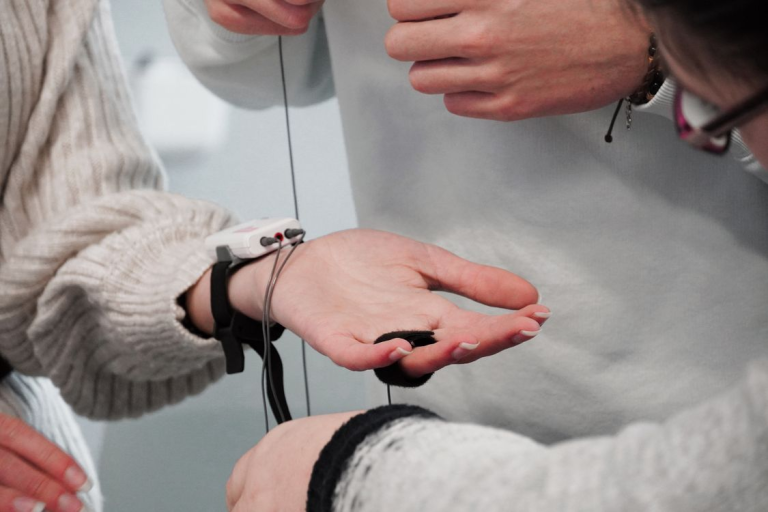
How is Relationship between anxiety and sleep it is very strong, the most recommended is to treat the anxiety And the disorder of sleep at the same time. A Sleep medicine it is recommended for this, and can take advantage of instruments how sleep diary, actigrapher and others.